How to create an indoor herb garden using repurposed glass jars and fairy lights
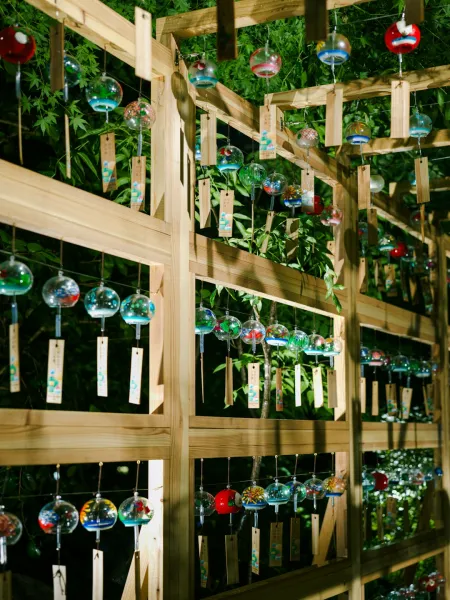
Creating an indoor herb garden using repurposed glass jars and fairy lights is not only a functional project but also a delightful way to infuse your home with greenery, fragrance, and a comforting ambiance. Imagine being able to snip fresh basil, thyme, or mint leaves while cooking, or having aromatic herbs thrive indoors, especially during the colder months. Indoor gardening has become increasingly popular, as it puts you in touch with nature and contributes to a healthier lifestyle. This project captures both those elements, making it an inviting and practical endeavor for any beginner.
Benefits: Having an indoor herb garden enhances your culinary experience, saves money on store-bought herbs, and allows you to grow organic produce in the comfort of your home. Additionally, repurposing glass jars is an eco-friendly choice that helps reduce waste, and using fairy lights adds a magical touch to your indoor setup, making it a wonderful conversation piece. The skill level for this project is beginner-friendly; no prior gardening experience is required, and with just a few materials and tools, you can create a lively indoor herb garden that brightens your home.
Tools Needed
- Drill with a Masonry Bit (or Knife): To create drainage holes in the glass jars, ensuring your herbs won’t suffer from overwatering.
- Potting Mix: A lightweight, well-draining potting mix specifically designed for container gardening will help your herbs thrive.
- Small Trowel: This handy tool allows you to transfer potting mix into the jars easily, preventing spills and mess.
- Watering Can: Essential for providing your newly planted herbs with the right amount of water without overwhelming them.
- Marker: Useful for labeling your jars with the names of the herbs you’ve planted, making it easy to identify them later.
- Scissors: For trimming the herbs and keeping them healthy as they grow, plus for possibly cutting any cord for the fairy lights.
- Fairy Lights: These will provide bright, ambient light to your herbs, especially valuable in darker rooms or during winter.
- Glass Jars: Various sizes are ideal, as they should have the appropriate volume for the roots of your chosen herbs.
Materials
- 3-5 Glass Jars: Depending on how many herbs you wish to grow. Aim for different sizes to accommodate varying root depths.
- Potting Mix: About 2-3 quarts should suffice for your jars, depending on their size.
- Herb Seeds or Seedlings: Choose 3-5 varieties like basil, parsley, mint, and thyme for a balanced selection.
- Perlite or Sand: A few cups, to mix into the potting mix for improved drainage.
- Water: A couple of cups, to moisten the potting mix before planting.
- Small Rocks or Gravel: About a cup, to place at the bottom of each jar for additional drainage.
- Labels: You can use craft sticks or waterproof markers for labeling your jars.
- Fairy Lights: A string of battery-operated lights, approximately 10-20 feet long to provide proper illumination.
Step-by-Step Instructions
# ### Step 1: Preparing the Glass Jars
Start by cleaning the glass jars thoroughly to remove any residues or labels. Use warm soapy water and a scrubbing sponge to ensure they are free from contaminants. Once clean, inspect the jars for any sharp edges. To add drainage holes, take your drill with a masonry bit, or if you lack tools, carefully use a knife. Drill or poke 2-3 small holes in the bottom of each jar. This is crucial to prevent roots from rotting due to standing water. Tip: If you’re using a knife, ensure you do this on a secure surface and apply gentle pressure to avoid slipping.
# ### Step 2: Making the Planter Mix
In a large mixing bowl, combine your potting mix with a few cups of perlite or sand. The ideal ratio is about 70% potting mix to 30% perlite. Perlite or sand improves aeration and drainage, which are vital for healthy root growth. Mix these well until you achieve a uniform consistency. Safety tip: When handling potting mixes, consider wearing gloves and a mask to avoid inhaling any dust particles.
# ### Step 3: Adding Drainage Material
Before filling the jars with the potting mix, add a layer of small rocks or gravel to the bottom of each jar. A half-inch layer is typically sufficient. This layer acts as a drainage reservoir, helping excess water to escape and preventing it from becoming stagnant at the roots. Once this is set, proceed with adding the prepared potting mix.
# ### Step 4: Filling the Jars
Using your small trowel, fill each glass jar with the prepared potting mix, leaving about an inch of space from the top. This space will help prevent spills when watering the plants later on. Tip: Press the potting mix down gently to eliminate any air pockets but avoid compacting it too much, as herbs need airflow in the soil for healthy growth.
# ### Step 5: Planting the Herbs
Choose your herbs and arrange them according to their growing needs. If you have seedlings, create a space in the soil for each one. If using seeds, check the packet for planting depth instructions. For most herbs, planting seeds 1/4 inch deep is sufficient. Once all herbs are placed, cover them with soil gently and pat down to secure them. Add labels to each jar, using markers or craft sticks to make identification easy.
# ### Step 6: Watering the Herbs
Once all herbs have been planted, it’s time to water them. Use a watering can to lightly moisten the soil around each plant. Be careful not to saturate the soil; a light drizzle will do. The top of the soil should look damp but not soggy. Tip: Keep a careful eye on moisture levels; indoor herbs usually need watering when the top inch of the soil feels dry.
# ### Step 7: Setting Up the Fairy Lights
Now comes the fun part: adding fairy lights. Take your string lights and weave them around the jars, draping them on top, or placing them within the jars for a beautiful glow. Ensure that the lights’ battery pack is accessible to allow for easy on/off access. Safety tip: Make sure that the lights are battery-operated to avoid electrical hazards, especially with a project centered on plants and moisture.
# ### Step 8: Positioning the Herb Garden
Choose a well-lit location for your indoor herb garden. Ideally, a sunny windowsill that receives at least 6 hours of indirect sunlight daily is perfect. If it’s lacking bright light, consider using a grow light or keeping your fairy lights on for extra illumination. Tip: Rotate the jars occasionally to ensure that all sides of the plants receive equal light.
# ### Step 9: Caring for Your Herbs
Caring for your newly planted herbs involves regular watering, checking for pests, and occasional pruning. As they grow, keep trimming them to encourage bushiness and prevent legginess. If you notice dried leaves, promptly remove them to keep the plant healthy and thriving. Adjust light conditions as necessary, particularly if you notice the herbs stretching towards the light.
# ### Step 10: Enjoying Your Indoor Herb Garden
The last step is the most rewarding: enjoying what you’ve cultivated. Regularly snip fresh herbs for cooking or drinks and marvel at your magical herb garden’s visual splendor. You can also consider sharing your herbs with friends or family; homegrown herbs make fantastic gifts! Tip: Keep a small recipe book nearby to document how you use your herbs in your dishes.
Troubleshooting Common Issues
1. Yellowing Leaves: This could indicate overwatering. Ensure you are not watering more than necessary, and check for adequate drainage holes.
2. Legginess: If your herbs are stretching towards the light, they need more exposure. Consider moving them to a sunnier spot or keeping the fairy lights on longer.
3. Pests: Check your plants regularly. If you notice small bugs, isolate the jar and apply an organic pesticide. You can make a simple spray with water mixed with a few drops of dish soap.
4. Dried Leaves: This may be a sign of underwatering or excessive heat. Ensure to check your watering routine and the position of your jars.
5. Slow Growth: If your herbs seem not to grow, assess light levels and consider fertilizing with a diluted, balanced fertilizer once a month.
Conclusion
Creating an indoor herb garden using repurposed glass jars and fairy lights is a rewarding experience that not only beautifies your home but also enhances your culinary adventures. With just a few materials and effort, you’re on your way to growing fresh herbs that thrive in your kitchen. Consider mixing the types of jars or experimenting with different lighting styles to personalize your garden. Remember, maintenance is key: keep a close eye on your herbs and enjoy the process of watching them grow! Moreover, you'll find that having an indoor herb garden enriches your lifestyle, providing both fresh ingredients and a sense of satisfaction in nurturing life.