How to create a vertical garden using repurposed plastic bottles and a wooden frame
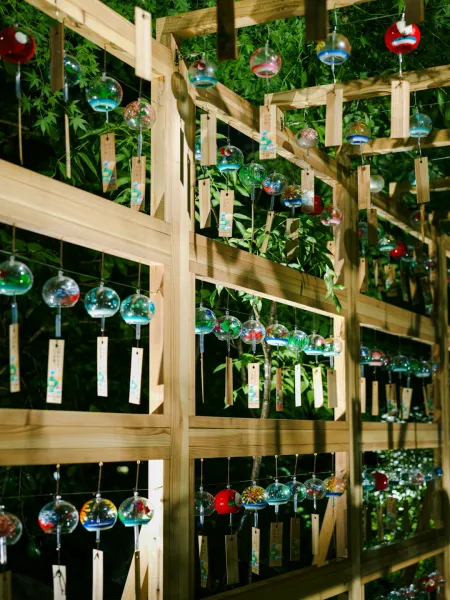
Tools Needed
1. Drill with a Drill Bit: A drill is essential for making holes in the wooden frame and plastic bottles for drainage.
2. Saw: A hand saw or miter saw will be needed to cut the wooden frame into the desired lengths.
3. Screwdriver: This tool will help you secure the wooden frame and attach the bottles firmly to it.
4. Measuring Tape: Accurate measurements are crucial in ensuring that the vertical garden is structured correctly and fits well in your chosen space.
5. Marker/Pen: A permanent marker or pen is necessary for marking where to cut or drill on both the frame and the plastic bottles.
6. Scissors or Knife: Scissors will help you easily modify the bottles. A sharp knife can also be useful for cutting tougher materials.
7. Sandpaper: Use sandpaper to smooth out any rough edges on the wood or plastic to avoid injury while handling the materials.
8. Gloves: Protecting your hands while working with plastic and wood is essential to avoid cuts or irritation.
Materials
1. Wooden Planks: 3-4 planks of 2x4 inches, each 6-8 feet long for creating the frame.
2. Plastic Bottles: Approximately 10-15 clean, empty plastic bottles (2 liters are ideal) for planting.
3. Nails or Screws: About 20-30 nails or screws to secure the wooden frame and attach the bottles to it.
4. Twine or String: 1-2 rolls of twine to help support the plants and keep them in place.
5. Potting Soil: Enough soil to fill each plastic bottle (about 10 liters) for optimal growth.
6. Plants/Seeds: Choose your favorite herbs, flowers, or small vegetables (like cherry tomatoes or basil).
7. Watering Can or Hose: Necessary for keeping your plants hydrated after planting.
8. Plastic Sheeting (optional): A piece of plastic can be used to line the back of the frame to protect the wall it’s mounted on.
9. Hanging Hook (optional): If you want to hang the garden instead of leaning it against a wall, you may need hooks.
Introduction
Creating a vertical garden using repurposed plastic bottles and a wooden frame is a fantastic DIY project for both beginners and seasoned gardeners alike. In today’s world, where urban living often limits garden space, this innovative method allows you to cultivate a thriving garden in the most compact of spaces—your balcony, patio, or even indoors. The materials you need are widely available, inexpensive, and eco-friendly, meaning this project not only nurtures your love for gardening but also reduces plastic waste—a win-win for you and the environment!
Benefits of a vertical garden go beyond just aesthetic appeal. They provide a great opportunity to grow your own herbs, vegetables, and flowers, promoting self-sufficiency and reducing grocery bills. Vertical gardens also enhance air quality, regulate temperature, and provide insulation to your living space. From improving mental health by greening your surroundings to creating a focal point in a boring wall, the possibilities are endless.
Skill level for this project is suitable for beginners; however, it offers plenty of opportunities for creativity and customization. Whether you are looking to cultivate a simple herb wall or transform a dull area into a vibrant garden, creating a vertical garden using repurposed materials is a rewarding journey. So, let’s roll up our sleeves and get ready to transform those plastic bottles into a beautiful vertical garden!
Steps
### 1. Gather Your Tools and Materials
Before starting the building process, gather all your tools and materials in one place. This will minimize distractions and ensure that you have everything you need at your fingertips. Make a checklist to confirm that you have the correct quantities of both tools and materials, such as the wooden planks, plastic bottles, potting soil, and plants.
Tip: Having a designated workspace—preferably outdoors or in a spacious garage—can make the assembly process easier.
Safety: Always wear gloves when handling materials to avoid cuts or injuries. Have safety goggles handy when using power tools.
2. Design Your Vertical Garden
Decide on the layout and design of your vertical garden before you start cutting wood or drilling holes. Consider how many plastic bottles you want to use and the distance between each bottle.
Tip: You could sketch a simple diagram of the frame and where each bottle will go. This will guide you while building.
Safety: Aim for a symmetrical design to ensure weight distribution. This reduces the risk of the garden tipping over.
3. Construct the Wooden Frame
Begin by cutting your wooden planks into the desired sizes for the frame. You will typically need two vertical pieces and several horizontal pieces to hold the bottles.
How: Use your measuring tape to measure the height and width of your frame. Usually, a height of around 5–6 feet works well, with a width of 2–3 feet.
Tip: Sand down any rough edges on the wood after cutting to avoid splinters.
4. Assemble the Frame
Using nails or screws, attach the horizontal planks to the vertical planks to form a sturdy framework. Drill carefully to avoid splitting the wood.
How: Space your horizontal pieces evenly based on how many bottles you will use. A distance of 12-18 inches between them allows adequate spacing for growth.
Tip: Consider pre-drilling the holes for the screws to prevent the wood from splitting.
5. Prepare the Plastic Bottles
Rinse and clean all plastic bottles thoroughly to remove any residue. Cut each bottle in half horizontally or leave the top intact depending on your design preference.
How: If you cut them in half, be careful around sharp edges. Smooth these edges with sandpaper.
Tip: Leave the bottle caps on when planting to retain moisture and ultimately promote growth.
6. Drill Drainage Holes in Bottles
Using your drill, create drainage holes in the bottom of each bottle to prevent overwatering.
How: Drill a few holes (3-4) in each bottle to ensure that water can drain effectively.
Tip: Placing small rocks or pebbles at the bottom of each bottle can further aid drainage.
7. Plant Your Chosen Plants
Fill each bottle with potting soil, leaving some space at the top, and then transplant your chosen plants or seeds.
How: Handle the roots gently when transplanting seedlings, ensuring they have enough soil for growth.
Tip: If you are using seeds, follow the specific planting instructions on the seed packets.
8. Attach Bottles to the Frame
Securely attach each bottle to your wooden frame, ensuring they are positioned at the desired angles.
How: Use screws or a sturdy adhesive to hold the bottles in place. If you choose to hang them, incorporate twine or string for extra support.
Tip: Allow for some visibility in the placement to ensure that plants receive adequate sunlight.
9. Water and Maintain Your Vertical Garden
Once you’ve finished planting, it’s time to water your vertical garden adequately.
How: Using a watering can or a spray bottle, mist your plants to give them a good start.
Tip: Be careful not to overwater; monitor the moisture regularly to ensure your plants thrive.
10. Position Your Vertical Garden
Find a suitable location for your vertical garden. Whether it's against a wall, in a sunny spot on your balcony, or hanging in your living room, ensure it receives proper sunlight.
Tip: Adjust according to seasonal sunlight; if you notice your plants aren't thriving, consider relocating them.
Safety: Ensure the structure is stable, especially if it’s leaning against a wall or hung.
Troubleshooting
Common Issues and Fixes
1. Overwatering: If plants appear wilting or yellowing, you might be overwatering. To fix this, reduce your watering frequency and ensure that drainage holes are functioning properly.
2. Underwatering: Conversely, if plants look brown or dried out, check the soil moisture. Water them thoroughly and consider increasing your watering frequency.
3. Root Rot: If you notice lopsided growth or plants dying back, root rot may be the issue. To fix this, remove affected plants, allow everything to dry out, and ensure proper drainage in all bottles.
4. Pest Infestation: If your plants show signs of pests (webbing, holes), you may need to apply an organic pesticide or neem oil. Regularly inspect your plants to handle issues early.
5. Insufficient Sunlight: If plants are growing tall and leggy, they may not be receiving enough sunlight. Move the garden to a sunnier location or consider using grow lights for indoor gardens.
Conclusion
Creating a vertical garden using repurposed plastic bottles and a wooden frame is a rewarding project that brings greenery into your home while promoting sustainability. This DIY vertical garden not only allows you to grow your favorite plants but also serves as a unique focal point that can brighten up any space.
Feel free to experiment with different designs and plant varieties; you can easily switch out plants seasonally or try new arrangements as you size up your gardening skills. Regular maintenance, like watering and occasional rearrangement for optimal sunlight, will keep your vertical garden blooming.
Transforming trash into a vibrant oasis is a powerful statement in sustainable living. After completing your garden, sit back and enjoy the fruits (or flowers) of your labor!