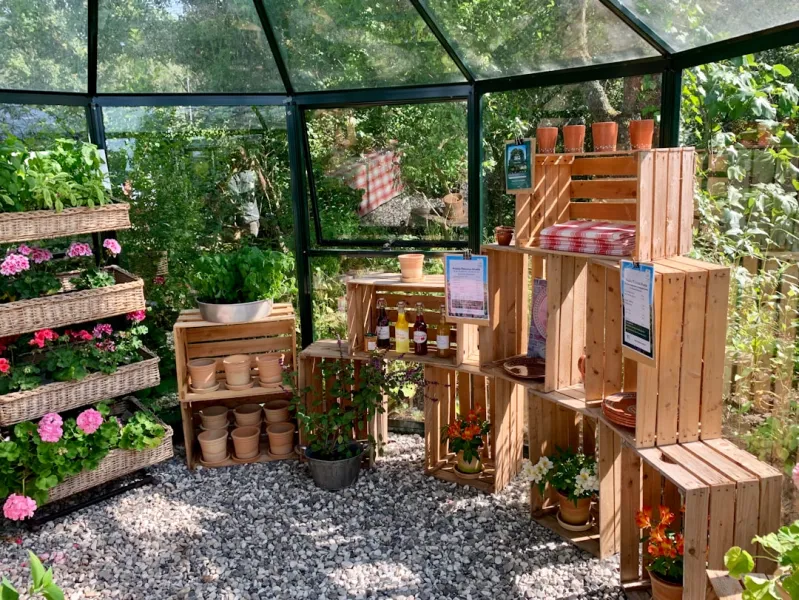
Introduction
Friendly Vertical Garden Using Repurposed Pallets And Recycled Bottles
Eco-friendly vertical garden is not just a trendy way to beautify your home; it’s also a fantastic opportunity to engage in sustainable practices. As many urban areas continue to grapple with limited green space, the need for creative gardening solutions has never been more pressing. This allows you to take what would otherwise be waste—old pallets and plastic bottles—and transform it into a ductive and Eyeng garden.Beyond aesthetic considerations, vertical gardens serve practical purposes. They can improve air quality, create insulation for buildings, and mote biodiversity by providing habitats for various insects and animals. Furthermore, gardening has ven mental health benefits, such as reducing stress and enhancing mood. The act of planting and nurturing stimulates feelings of satisfaction and accomplishment, reconnecting you with nature in your very own backyard or balcony.This guide is tailored for beginners, making it easy to follow along, even if you have limited prior experience in gardening. With straightforward instructions and a bit of creativity, you’ll soon have a beautiful vertical garden that exemplifies your commitment to sustainability.
Step 1:
Gather
Materials
Before diving into the , take the time to collect all your needed
materials
Old wooden pallets can often be found for free at local stores or warehouses. Similarly, plastic bottles are a common household item that can be easily repurposed. Keep in mind to choose clean, intact bottles without significant labels. Collect your pots, soil, and plants of choice before starting, so you have everything on hand.
Tip: Check local community boards for free pallets and don’t forget to ask friends or neighbors for any
materials
they might have laying around.
Step 2:
Prepare the Wooden PalletOnce you've gathered your
materials
, inspect the wooden pallets for any damaged areas. Sand down the edges with sandpaper to ensure that they are smooth and safe to handle. If desired, decorate your pallet with eco-friendly paint or stain. This step not only personalizes your vertical garden but also helps protect the wood from the elements. Make sure to allow the paint to dry thoroughly.
- Safety
Tip: Always wear gloves while sanding or painting to protect your skin and ensure good ventilation in your working area.
Step 3:
Cut the Plastic BottlesTake your plastic bottles and cut them in half. This will create a two-part container for soil and plants. Ensure the top half can easily fit into the pallet space between the slats. If necessary, you can also punch a few drainage holes in the bottom of the bottle for excess water management.
Tip: Cut the bottles uniformly for a neat appearance and increased aesthetic appeal.
Step 4:
Fill the Bottles with SoilWith the bottom halves of your bottles ready, it’s time to fill them with soil. Start by adding compost at the bottom, followed by potting soil, leaving a little room at the top for plantings. Go for a mix that suits your selected plants. If you're planting herbs, look for potting soil enriched with nutrients.
Tip: Make sure to mix the soil well, as aeration is important for healthy plant growth. Press down gently to eliminate air pockets but avoid compacting the soil too much.
Step 5:
Plant Your Chosen VegetationNow for the fun part! Choose the plants or seeds you want to grow and plant them in the Soil bottles. Ensure you plant vegetation according to their growth needs; herbs might be better in direct sunlight, while ferns may prefer shaded conditions. When planting seeds, follow the packet instructions for depth and spacing.
Tip: Water your seedlings lightly after planting to settle the soil around their roots without washing them away.
Step 6:
Assemble the Vertical GardenWith your plants in their bottles, it’s time to attach them to the pallet. Use a staple gun or strong adhesive to secure each bottle to the slats of the pallet, creating a staggered, visually appealing arrangement. Make sure that the openings of the bottles are facing outward so that plants can grow freely.
Tip: Play around with the positioning of the bottles before securing them to find a balance that works for your aesthetic.
Step 7:
Mount Your GardenOnce the bottles are secured to the pallet, it's time to mount your vertical garden to your desired location. Use wall anchors to ensure the pallet is securely affixed to the wall, or hang it using hooks if you're working in a more portable area. Ensure that the garden gets enough sunlight, ideally making it west or south facing.
Tip: Use a level to check that the pallet is straight before finally securing it in place, as this will contribute to a professionally finished look.
Step 8:
Water and MaintainAfter your vertical garden is securely mounted, it’s essential to water it thoroughly for the first time. Here, use a watering can for direct access to the plants. Monitor the moisture level over time to see if they require regular watering. Depending on your local climate and humidity, the watering needs will vary.
Tip: Consider setting a watering schedule, like once proper week, and adjust accordingly as you observe how thirsty your plants seem.
Step 9:
Fertilize and PruneTo encourage continuous growth, consider fertilizing your vertical garden monthly with organic or Slowe fertilizer. Additionally, keep a lookout for any overgrown or unhealthy plants that may need pruning. This practice ensures the growth of healthier plants and maintains the aesthetic of your garden.
Tip: Regularly check for pests and weeds that may complicate your garden. HAndg any invaders is eco-friendly and effective.
Step 10:
Enjoy and Explore VariationsOnce established, sit back and enjoy your beautiful vertical garden. You can experiment with various plants over time, swapping them out as seasons change or your tastes evolve.
Tip: Consider adding decorative touches, such as small lights, vibrant sketches, or other art pieces to enhance the overall experience of your garden.
2026 •