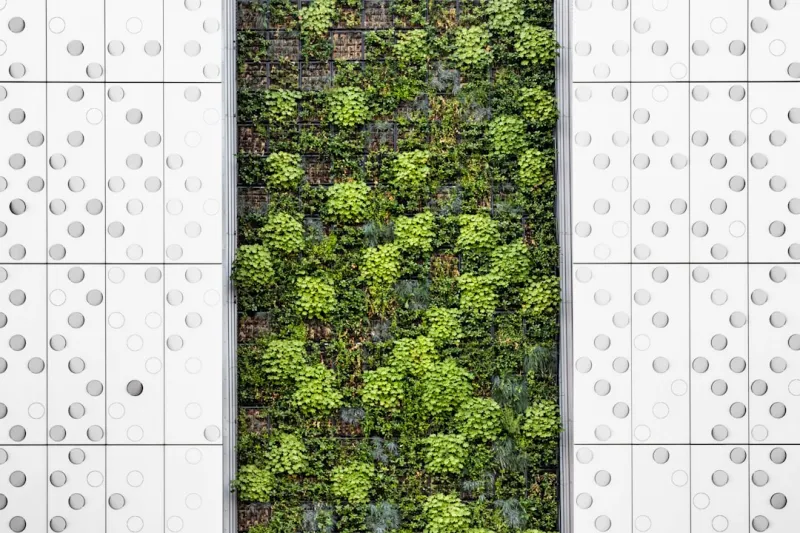
Introduction
Garden Using Repurposed Pallets And Hydroponic Systems
enjoyable and ductive hobby. So, roll up your sleeves and let’s dive into the world of vertical gardening!
Tools
- Needed
- Hammer: Essential for assembling the pallet frame and securing any loose boards during the construction process.Nails (or
- Screws): Required for fastening the wood together, ensuring durability in your vertical garden.Saw: A hand saw or power saw will allow you to cut the pallets to your desired dimensions for fitting the intended space.Measuring
- Tape: Accurate measurements are crucial. A tape measure will ensure your constructed garden fits snugly and looks neat.Drill: Needed for making holes for the hydroponic setup and ensuring that the water can circulate properly.Sandpaper: To smooth out rough edges on the pallets, ensuring safety and imving aesthetics.Gloves: protect your hands while working with pallets to avoid splinters and injuries.Level: To ensure that your vertical garden is even when it's mounted on the wall, which is critical for proper water drainage.
Materials
- Pallets: 2-3 standard pallets (check for dryness and damage, as they will be the framework).Plastic
- Liner or Landscape Fabric: 1-2 yards to line the pallet's back and sides, preventing soil and water from leaking.Net
- Pots: 20-30, which will hold your plants in place and provide drainage for the hydroponic solution.Hydroponic
- Nutrient Solution: 1 bottle (specific to the plants you're growing) to ensure your plants receive the necessary nutrients in the water.PVC Pipe or tubing: 10-20 feet for creating channels or systems to deliver water and nutrients to your plants.Water
- Pump: 1 small pump to effectively circulate the nutrient solution through your hydroponic system.Water
- Reservoir: 1-2, such as a container or bucket, to hold the nutrient solution until it's pumped to your plants.Drip
- Tray: 1-2 to catch any excess water and prevent damage to your wall or the ground below.Plants or
- Seeds: Choose your favorites; herbs like basil, mint, and parsley are great for beginners.Zip
- Ties or Clips: 20-30, useful for securing plant net pots and tubing as needed.Step-by-Step Guide#Selecting the Right PalletStart with selecting the right type of pallet. Look for ones that are clean, sturdy, and preferably made from untreated wood to avoid the risk of chemical contamination. You want to ensure that they aren't damaged or weakened, as they must carry the weight of soil and water. Check for the heat treatment stamp (HT) to confirm they haven’t been chemically treated. Visit local markets or warehouses to find free pallets; ensure they’re safe for growing food.
Tip: Inspect pallets for broken boards and loose nails. Make repairs before starting.#Preparing the PalletOnce you've acquired your pallets, it’s time to prepare them. Start by cleaning off any debris and dirt. Use sandpaper to sand down any rough edges or splinters to avoid injuries during the planting process. If you want a specific color, you might consider painting or staining your pallets (use non-toxic, Outdoorly options). This can also enhance their lifespan and look beautiful on your wall.Safety
- Reminder: Wear gloves while handling wooden pallets to protect your hands from splinters.#Lining the PalletTo maintain the structural integrity of the pallets and ensure water doesn’t leak out, line the back and sides of the pallet with plastic liner or landscape fabric. Cut it to size, allowing for an overhang into the planting areas. Secure it in place with a staple gun or nails to hold the fabric taut. This lining will hold the growing medium and prevent soil from spilling out.
Tip: Ensure that the liner is long enough that it can fold into the planting pockets, enabling it to catch any dripping water.#Installing Net PotsAfter lining the pallet, decide where you want your net pots. These pots will house your plants and need to fit snugly within the openings. Using a drill, create holes that will accommodate your net pots. The holes should be spaced evenly so that all plants receive adequate light and air. Make sure to drill a few holes at the bottom for excess water drainage.
Tip: Place your net pots at different heights to create a staggered look and allow easier access to each plant.#Building the Hydroponic SystemWith your net pots prepped, it’s time to establish your hydroponic system. Cut your PVC pipe or tubing to the desired lengths. If using a drip system, connect your pump and observe how the solution will flow from the reservoir to the net pots. Make sure it’s positioned in a way that allows the water to cascade down to lower pots.
Tip: If using gravity, keep in mind that your reservoir needs to be higher than the plants to keep water flowing smoothly.#Setting Up the Water ReservoirPlace your water reservoir close to your pallet garden. Ensure your water pump is positioned to draw the nutrient solution easily. Check the connections and test the pump to confirm that water flows correctly through your tubing to each of the net pots.
Tip: Regularly check the level of nutrient solution in the reservoir and refill as needed, especially during hot days.#Planting Your Seeds or SeedlingsChoose your preferred plants and either plant seeds directly into the net pots filled with the growing medium or transplant seedlings. Use a Highy hydroponic growing medium that retains moisture while allowing proper drainage. Fill each net pot, place the seeds or seedlings, and gently press the medium around them to stabilize.
Tip: Herb seedlings are great choices for beginners. They grow quickly and are often tolerant of minor fluctuations in nutrient levels.#Monitoring and Maintaining Your Vertical GardenAfter planting, monitor your garden regularly. Keeping a close watch on water levels and nutrient solutions is essential for healthy plant growth. Look for signs of overwatering or undernourishment, such as yellowing leaves or wilting. Adjust your hydroponic nutrient concentration as required, and periodically check for algae growth.
Tip: Set a routine, such as a weekly check, to catch problems early.#9.
2026 •