How to create an eco-friendly vertical garden using repurposed pallets and recycled bottles
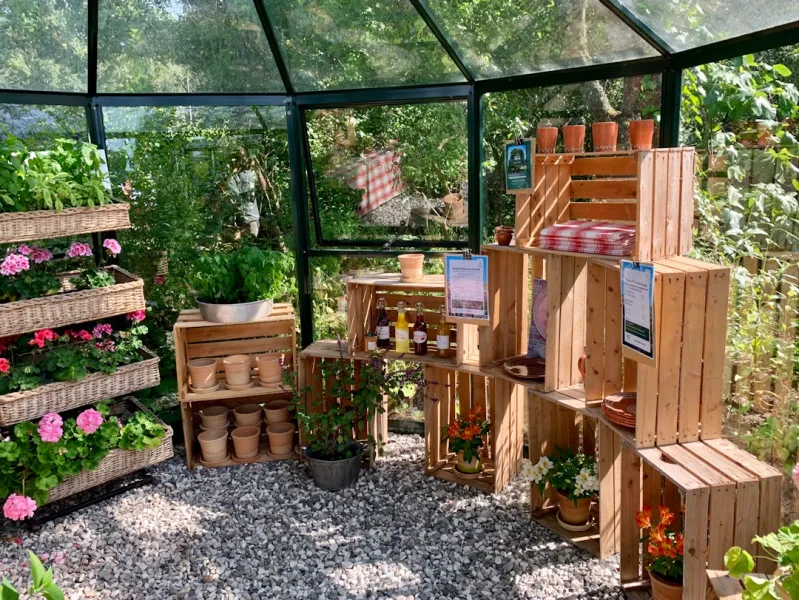
Creating an eco-friendly vertical garden is a rewarding project that allows you to harness both creativity and sustainability. More than just a decorative feature for your home, a vertical garden can transform any dull space into a lush oasis while providing a multitude of benefits. With the increasing concern over environmental issues, crafting a garden using repurposed pallets and recycled bottles not only keeps waste out of landfills but also promotes a greener way of living.
This project is perfect for beginners who might not have a huge space or extensive gardening experience. A vertical garden allows for a diverse array of plants, from herbs to flowering blooms, maximizing your home's potential for greenery. Furthermore, by choosing to build your garden from materials that might otherwise be discarded, you contribute to a more sustainable lifestyle while saving money.
In terms of skill level, this project falls into the easy to moderate range. You'll need some basic tools and a little bit of patience. The payoff, however, is substantial, giving you both a beautiful outdoor space and the satisfaction of recycling and reusing materials. Imagine fresh herbs at your fingertips or vibrant flowers cascading down your wall. Read on to discover how to create your very own eco-friendly vertical garden using repurposed pallets and recycled bottles!
Tools Needed
1. Screwdriver or Drill: Essential for assembling pallets and attaching bottles securely. A drill can also speed up the process with pre-drilling.
2. Saw (Hand or Power): Useful for cutting pallets to the desired size. Hand saws are great for smaller projects, while power saws can make the job quicker.
3. Sandpaper: To smooth rough edges of the pallet, preventing splinters and ensuring safer handling for both you and the plants.
4. Paintbrush & Eco-Friendly Paint/Stain: When you want to personalize your pallet, using eco-friendly options will enhance aesthetics without harming the environment.
5. Garden Gloves: Protects your hands while you work with wood and soil.
6. Measuring Tape: To ensure accurate measurements when cutting and assembling your pallets.
7. Level: To ensure that your vertical garden is straight and visually appealing when mounted.
8. Staple Gun or Strong Adhesive: To attach the back of the bottles to the wood and secure them firmly.
Materials
1. Old Wooden Pallets: 2 or more, depending on the desired size of the garden. 2. Plastic Bottles: 10–15 (1.5 or 2-liter bottles work well). 3. Soil: 1 large bag (about 50 liters) of potting soil or garden soil. 4. Compost: 1 bag (approximately 20 liters) to enrich the soil. 5. Plants/Seeds: 10–20, depending on your selection; consider herbs, compact vegetables, or flowering plants. 6. Watering Can: 1, for easy watering of your vertical garden. 7. Hanging Hooks: 4–6 sturdy hooks if you plan to hang your garden on a wall. 8. Wired Mesh or Landscape Fabric: A small piece (enough to line the inside of your pallet), used to hold the soil in place. 9. Acrylic or Plastic Paint (Optional): For decorating the outside of your vertical garden.
Introduction
Creating an eco-friendly vertical garden is not just a trendy way to beautify your home; it’s also a fantastic opportunity to engage in sustainable practices. As many urban areas continue to grapple with limited green space, the need for creative gardening solutions has never been more pressing. This project allows you to take what would otherwise be waste—old pallets and plastic bottles—and transform it into a productive and eye-catching garden.
Beyond aesthetic considerations, vertical gardens serve practical purposes. They can improve air quality, create insulation for buildings, and promote biodiversity by providing habitats for various insects and animals. Furthermore, gardening has proven mental health benefits, such as reducing stress and enhancing mood. The act of planting and nurturing stimulates feelings of satisfaction and accomplishment, reconnecting you with nature in your very own backyard or balcony.
This guide is tailored for beginners, making it easy to follow along, even if you have limited prior experience in gardening. With straightforward instructions and a bit of creativity, you’ll soon have a beautiful vertical garden that exemplifies your commitment to sustainability.
Step 1: Gather Materials
Before diving into the project, take the time to collect all your needed materials. Old wooden pallets can often be found for free at local stores or warehouses. Similarly, plastic bottles are a common household item that can be easily repurposed. Keep in mind to choose clean, intact bottles without significant labels. Collect your pots, soil, and plants of choice before starting, so you have everything on hand. Tip: Check local community boards for free pallets and don’t forget to ask friends or neighbors for any materials they might have laying around.
Step 2: Prepare the Wooden Pallet
Once you've gathered your materials, inspect the wooden pallets for any damaged areas. Sand down the edges with sandpaper to ensure that they are smooth and safe to handle. If desired, decorate your pallet with eco-friendly paint or stain. This step not only personalizes your vertical garden but also helps protect the wood from the elements. Make sure to allow the paint to dry thoroughly. Safety Tip: Always wear gloves while sanding or painting to protect your skin and ensure good ventilation in your working area.
Step 3: Cut the Plastic Bottles
Take your plastic bottles and cut them in half. This will create a two-part container for soil and plants. Ensure the top half can easily fit into the pallet space between the slats. If necessary, you can also punch a few drainage holes in the bottom of the bottle for excess water management. Tip: Cut the bottles uniformly for a neat appearance and increased aesthetic appeal.
Step 4: Fill the Bottles with Soil
With the bottom halves of your bottles ready, it’s time to fill them with soil. Start by adding compost at the bottom, followed by potting soil, leaving a little room at the top for plantings. Go for a mix that suits your selected plants. If you're planting herbs, look for potting soil enriched with nutrients. Tip: Make sure to mix the soil well, as aeration is important for healthy plant growth. Press down gently to eliminate air pockets but avoid compacting the soil too much.
Step 5: Plant Your Chosen Vegetation
Now for the fun part! Choose the plants or seeds you want to grow and plant them in the soil-filled bottles. Ensure you plant vegetation according to their growth needs; herbs might be better in direct sunlight, while ferns may prefer shaded conditions. When planting seeds, follow the packet instructions for depth and spacing. Tip: Water your seedlings lightly after planting to settle the soil around their roots without washing them away.
Step 6: Assemble the Vertical Garden
With your plants in their bottles, it’s time to attach them to the pallet. Use a staple gun or strong adhesive to secure each bottle to the slats of the pallet, creating a staggered, visually appealing arrangement. Make sure that the openings of the bottles are facing outward so that plants can grow freely. Tip: Play around with the positioning of the bottles before securing them to find a balance that works for your aesthetic.
Step 7: Mount Your Garden
Once the bottles are secured to the pallet, it's time to mount your vertical garden to your desired location. Use wall anchors to ensure the pallet is securely affixed to the wall, or hang it using hooks if you're working in a more portable area. Ensure that the garden gets enough sunlight, ideally making it west or south facing. Tip: Use a level to check that the pallet is straight before finally securing it in place, as this will contribute to a professionally finished look.
Step 8: Water and Maintain
After your vertical garden is securely mounted, it’s essential to water it thoroughly for the first time. Here, use a watering can for direct access to the plants. Monitor the moisture level over time to see if they require regular watering. Depending on your local climate and humidity, the watering needs will vary. Tip: Consider setting a watering schedule, like once per week, and adjust accordingly as you observe how thirsty your plants seem.
Step 9: Fertilize and Prune
To encourage continuous growth, consider fertilizing your vertical garden monthly with organic or slow-release fertilizer. Additionally, keep a lookout for any overgrown or unhealthy plants that may need pruning. This practice ensures the growth of healthier plants and maintains the aesthetic of your garden. Tip: Regularly check for pests and weeds that may complicate your garden. Hand-picking any invaders is eco-friendly and effective.
Step 10: Enjoy and Explore Variations
Once established, sit back and enjoy your beautiful vertical garden. You can experiment with various plants over time, swapping them out as seasons change or your tastes evolve. Tip: Consider adding decorative touches, such as small lights, vibrant sketches, or other art pieces to enhance the overall experience of your garden.
Troubleshooting Common Issues
1. Plants Wilting: This is often a sign of either overwatering or underwatering. Check the soil moisture; if it’s too dry, add water gradually. If it's soggy, allow it to drain and cut back on watering to prevent root rot.
2. Pests Infestation: Check for signs of pests like aphids or spider mites. Use an organic insecticidal soap or a mixture of water and mild dish detergent to eliminate them safely.
3. Plant Growth Stalling: This could indicate a lack of nutrients. Fertilize the plants and provide fresh compost to enhance growth.
4. Bottles Dropping or Detaching: If bottles detach from the pallet, check the attachment method. You might need a stronger adhesive or to reinforce the attachments with screws for added security.
5. Insufficient Sunlight: If plants appear weak or leggy, consider relocating the vertical garden to a brighter spot or supplementing natural light with grow lights.
Conclusion
By creating an eco-friendly vertical garden using repurposed pallets and recycled bottles, you've embarked on a journey to beautify your space while promoting an environmentally conscious lifestyle. This project not only adds a unique aesthetic to your environment but also allows you to engage with nature in a deeply fulfilling way.
There are numerous variations to explore, from the types of plants used to the design of the pallet arrangement, tailored to your unique preferences and space constraints. Consistent maintenance involves watering, feeding, and replacing tired plants, but the rewards are well worth the effort.
Remember to share your progress and findings with friends and family; inspire them to try sustainable projects of their own! Happy gardening!