How to create a vertical garden wall using reclaimed pallets and drip irrigation system
Introduction
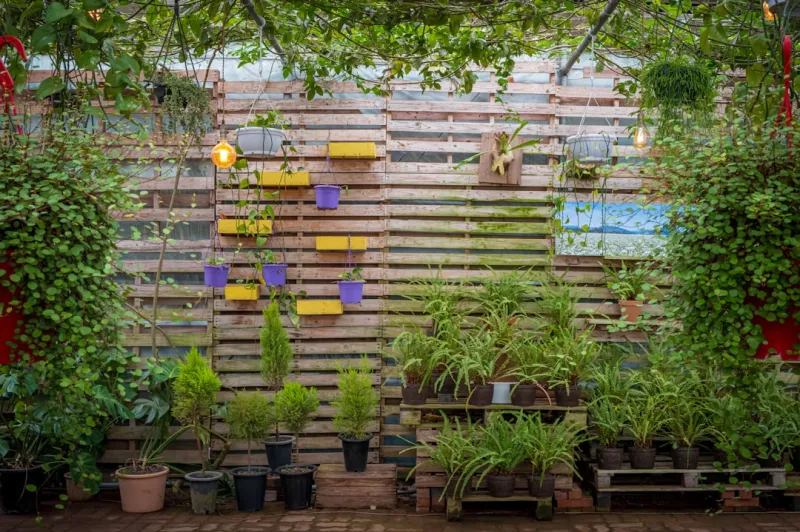
Creating a vertical garden wall using reclaimed pallets is a significant yet rewarding project for both gardening enthusiasts and novices alike. This eco-friendly endeavor breathes new life into discarded pallets, transforming them into a stunning display of greenery that can enhance any outdoor or indoor area. Vertical gardens maximize space, allowing you to cultivate a wide range of plants in a limited footprint, making them ideal for urban environments or smaller yards.
This project is more than just aesthetic; there are numerous benefits to integrating a vertical garden wall into your life. It provides cleaner air as plants absorb CO2 and release oxygen, promotes the growth of herbs and vegetables, and can contribute to improved mental health as you engage with nature. Moreover, with the implementation of a drip irrigation system, you can conserve water while ensuring your plants receive the consistent moisture they need for thriving growth.
Despite the multifaceted elements involved, creating your own vertical garden wall can be accomplished by beginners with standard tools and materials. The level of skill required is relatively low, making it an accessible and enjoyable activity for those who may not have extensive woodworking or gardening experience. This guide will walk you through every step, keeping the process clear and manageable.
Tools Needed
- Hammer: Essential for driving nails into the pallets securely without causing damage.
- Screwdriver/Drill: A power drill speeds up the process of securing your structure with screws and makes the installation of the irrigation system easier.
- Saw: A hand saw or circular saw is needed for cutting the pallets to your desired height or shape. Reclaimed pallets may need some customization.
- Measuring Tape: Precise measurements are crucial for fitting your garden into the intended space and for evenly distributing the plants.
- Level: To ensure your vertical garden is perfectly straight, which is vital for both aesthetics and functionality.
- Pencil: For marking measurements and cutting lines on the wood, making the process smoother.
- Gardening Gloves: Protect your hands while handling materials, as well as while planting and working in the soil.
- Safety Goggles: A safety precaution while cutting or drilling, keeping your eyes protected from debris.
Materials
- Reclaimed Pallets: 2-4 pallets, depending on the desired size of your vertical garden.
- Landscape Fabric: 1 sheet (enough to cover all pallets), typically measuring 3x50 feet to allow for a breathable layer.
- Screws: 2 lbs of 1.5-inch exterior deck screws to secure the pallets and landscape fabric.
- Wooden Stakes or Brackets: 4-6 stakes (depending on the height and stability of the vertical wall) for securing your structure to the ground.
- Drip Irrigation Kit: 1 complete system; these kits typically include tubing, connectors, emitters, and stakes.
- Potting Soil: About 1-2 cubic feet, depending on the number of plants being integrated into your vertical wall.
- Plants: Choose a variety ranging from herbs (like basil and mint), flowers (like petunias or marigolds), and small veggies (like lettuce and cherry tomatoes).
- Water: Readily available from your water supply for testing and setting up your irrigation system.
- Paint or Wood Sealant (optional): To protect the pallets from rot and enhance their aesthetic appeal.
Steps to Create Your Vertical Garden Wall
Step 1: Select and Prepare the Location
What: The first step is to choose the best location for your vertical garden wall.
How: Ideally, pick a spot that receives ample sunlight (at least 6-8 hours per day), which is essential for plant growth. Additionally, ensure the area has good drainage to avoid water pooling, as excess moisture can lead to root rot and fungal diseases.
Tips: Avoid placing your vertical garden wall against walls that might shade it or might be affected by excessive wind. Considering proximity to water sources is also essential, particularly if you plan to install a drip irrigation system.
Safety: Use a level when determining the ground evenness to prevent misalignments in your vertical garden wall.
Step 2: Gather and Inspect Your Reclaimed Pallets
What: Assemble your reclaimed pallets.
How: Inspect the pallets for any damage, such as splintered wood or broken slats. Ideal pallets should be sturdy, free of chemical treatments, and in good overall condition. If necessary, sand down rough areas to eliminate any sharp edges.
Tips: Reclaimed pallets can often be found for free or at a minimal cost from local hardware stores, restaurants, or even online marketplaces. Make sure to ask about their past use to ensure they haven't been chemically treated.
Safety: Use gloves while handling pallets to protect against splinters and rough edges.
Step 3: Cut the Pallets to Desired Size
What: Customize the pallets to fit your design preference.
How: Utilizing the measuring tape and pencil, mark where cuts need to be made for height or width adjustments. Cut the pallets using a saw according to your desired dimensions.
Tips: For a more dynamic look, consider creating an asymmetric design with different heights or staggering the pallets. This can add visual interest to your vertical garden.
Safety: Utilize safety goggles while cutting to protect your eyes. If using power tools, ensure you are familiar with their operation.
Step 4: Overlay Landscape Fabric
What: Prepare the pallets for planting.
How: Cut a piece of landscape fabric to fit the back and bottom of each pallet. This fabric will help retain moisture and soil while providing drainage for excess water. Secure it in place using the staple gun or by stapling through the fabric and into the pallet.
Tips: Make sure the fabric extends slightly over the top to ensure the soil doesn't spill out. Secure it tightly, as a loose fabric might not hold well against the soil’s weight.
Safety: Ensure your hands are protected from staples or any rough edges during this process.
Step 5: Attach Screws for Stability
What: Secure the pallets for vertical assembly.
How: Using the screw driver or drill, attach the pallets together if you plan to stack them or add lateral support structures. Depending on your design, you might want to secure horizontally adjacent pallets together to provide structural rigidity.
Tips: Pre-drilling the screw holes can prevent the wood from splitting. It's always best to use exterior-grade screws for a longer lifespan and more substantial support.
Safety: Keep your face away from the drill area when securing screws to avoid injury.
Step 6: Secure the Garden Wall to the Ground
What: Ensure stability in your vertical garden wall by securing it.
How: Use wooden stakes or brackets to anchor the pallets into the ground. Pound them into the ground next to the pallets and attach them. If your pallets are particularly tall, you may need to use additional stakes or a cross-bracing system for support.
Tips: Check the vertical alignment using your level; readjust if necessary while securing.
Safety: When working with a hammer, hold the stakes securely to prevent slipping, and take care to avoid hitting your hands.
Step 7: Fill with Potting Soil
What: Prepare the planting space for your vertical garden.
How: Carefully fill each pallet with potting soil. Make sure the soil is packed well enough to retain moisture but loose enough for root growth.
Tips: Mixing in some compost or slow-release fertilizer can provide an added nutrient boost for your plants.
Safety: Keep your workspace clear of debris during this process to avoid any tripping hazards.
Step 8: Choose and Plant Your Vegetables and Flowers
What: Start incorporating your chosen plants.
How: Choose the plants that suit your growing conditions. Start with larger plants towards the bottom and smaller herbs or flowers at the top. Ensure to position them based on their light and water requirements.
Tips: Water the plants slightly before placing them into the soil to give them a head start, and use a trowel to carve out small holes if necessary.
Safety: Always maintain good posture while planting to avoid strain. Kneel or squat rather than bending over for prolonged periods.
Step 9: Install the Drip Irrigation System
What: Set up a drip irrigation system for efficient watering.
How: After positioning your plants, follow the instructions of your drip irrigation system kit. Lay out your main tubing along the top, then attach emitters or spikes that go directly into the soil of each plant.
Tips: Adjust the water flow to ensure even distribution according to the needs of each plant, and test the watering system to identify spots that may need more or less irrigation.
Safety: Ensure connections are secure to avoid leaks and spills. Be cautious with care when working around any water sources or electric tools.
Step 10: Maintain Your Vertical Garden Wall
What: Ensure the continued health and beauty of your garden wall.
How: Water as necessary, prune as needed, and monitor the health of your plants. Consider adding a balanced organic fertilizer every few weeks based on the growth rate and response of your plants.
Tips: Regularly check the drip irrigation system for clogs or issues. Adjust the amount of water based on the seasonal needs of your plants for optimal growth.
Safety: When pruning, use protective gloves and avoid cutting too close to the main stem, as this can harm the plant.
Troubleshooting
Creating a vertical garden wall might encounter some bumps along the way. Here are common issues and their fixes:
- Problem: Plants wilting or not thriving.
- Problem: Soil erosion or spilling out of pallets.
- Problem: Excessive weight causing pallets to bow.
- Problem: Brown leaves and/or signs of pests.
- Problem: Lack of drainage leading to root rot.
Conclusion
In conclusion, creating a vertical garden wall from reclaimed pallets with a drip irrigation system is an engaging, economical, and eco-friendly project that can greatly enhance your living Space. The steps outlined above can guide even beginners through the process of building a beautiful garden that beautifies your home while providing fresh produce, vibrant blooms, and clean air.
As you grow more experienced, consider variations such as incorporating different structural designs, using various materials (like shelving or trellises), or experimenting with hydroponic gardening systems. Regular watering, maintenance, and seasonal checks will ensure that your garden continues to thrive year after year.
There's immense satisfaction in nurturing your plants while also repurposing materials that would otherwise be discarded. Happy gardening!