How to create a vertical garden using repurposed wooden pallets and sustainable soil mix
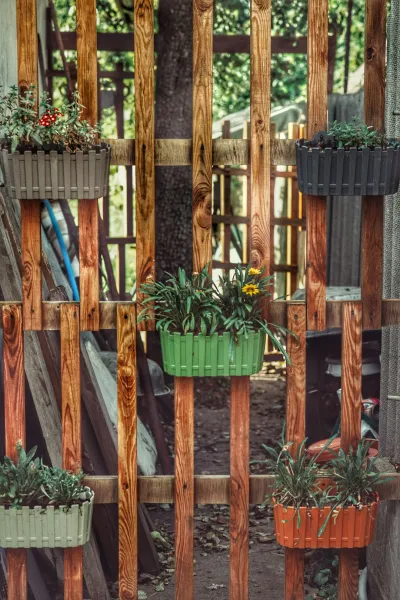
Creating a vertical garden using repurposed wooden pallets is an increasingly popular DIY project that not only boosts your home’s aesthetic appeal but also contributes to a sustainable lifestyle. With a growing movement towards environmental consciousness, many are seeking ways to reduce waste, and what better way than to use old wooden pallets to create a vibrant space for your plants? Utilizing pallets allows you to craft a unique garden while minimizing your carbon footprint—it's the perfect blend of creativity and sustainability.
Why Choose Vertical Gardening? Vertical gardening offers numerous benefits, especially for those with limited space or those who wish to take their gardening indoors. It allows you to maximize your growing area by utilizing downward space instead of just the flat ground. Vertical gardens can accommodate a wide variety of plants, including herbs, flowers, and vegetables, making them highly versatile. They are also less labor-intensive compared to traditional gardens since they reduce the need for bending over or kneeling. Not to mention, the aesthetics of a vertical garden can transform a dull wall or corner into a lush, lively area, promoting a sense of tranquility and connection with nature.
Skill Level: Beginner This project is suitable for beginners, making it an excellent starting point for anyone eager to dip their toes into gardening. You'll be guided every step of the way, from gathering your tools to securing your plants in place. Whether you are an aspiring gardener or just someone looking for a sustainable project, this vertical garden could be your next rewarding endeavor.
Tools Needed
1. Wooden pallet (1-2)
- Serves as the main structure for your vertical garden; ensure it's untreated for safety.
- For assembling the pallet and securing the planter frames or additional structures.
- Useful for attaching landscaping fabric to the back of the pallets to hold the soil in place.
- Prevents soil from falling out while allowing water and nutrients to penetrate.
- Handy for cutting the pallet or wood pieces to fit your preferred design.
- Smooths the edges of the pallet for safety and aesthetics.
- Essential for watering your plants post-assembly and during their growth.
- Protect your hands while working with wood and soil, ensuring safety and comfort.
Materials
1. Repurposed wooden pallets (1-2 units)
- Ensure the pallets were not treated with harmful chemicals.
- A quality soil mix that balances moisture retention and drainage.
- Enriches the soil with essential nutrients for healthy plant growth.
- Herbs like basil and mint, compact vegetables, or small flowering plants work well.
- For reinforcing your pallet or attaching frames.
- Used to secure the framework of your garden.
- Protects the wood from moisture and enhances the aesthetic appeal of your garden.
- If you plan to suspend the vertical garden rather than lean it against a wall.
- To catch excess water and protect the area underneath from soil leakage.
- Used for additional structural support or hanging features.
Step-by-Step Guide
Step 1: Gather Your Pallets
What: Start by acquiring repurposed wooden pallets. How: Check local stores, warehouses, and online marketplaces for pallets that are intact and free from toxic treatments. Tips: Look for pallets with the “HT” (heat-treated) label to ensure they are safe for gardening. Avoid pallets that are stained or have a chemical smell. Safety: Examine each pallet thoroughly for splinters, nails, or sharp objects, and handle them with care.
Step 2: Clean and Prepare the Pallet
What: Clean the pallets to remove dirt, dust, or food residues. How: Use a stiff brush and, if necessary, water. Allow it to dry completely in the sun. Tips: If necessary, sand down rough edges to prevent injury when handling. Safety: Wear gloves while cleaning and sanding to protect your hands.
Step 3: Cut and Assemble as Needed
What: Depending on your design preferences, you may want to cut the pallet. How: Use a saw to customize the size or shape—shorter for smaller spaces or longer for more plants. Tips: Plan the layout of your plants before cutting to make the most of your space. Safety: Always wear protective eyewear when using a saw to protect your eyes from wood splinters.
Step 4: Attach Landscape Fabric
What: Attach the landscape fabric to the back of the pallet to support the soil. How: Cut the landscape fabric to size and staple it securely onto the back of the pallet. Ensure there are no gaps. Tips: Use a double layer of fabric for added strength and support, especially for taller gardens. Safety: Keep your fingers clear of the staple gun to avoid injuries.
Step 5: Prepare the Soil Mix
What: Create a custom sustainable soil mix for your plants. How: In a large container, combine potting soil and organic compost in a 2:1 ratio. Mix thoroughly. Tips: You may want to add perlite or vermiculite to enhance drainage and aeration in your soil. Safety: Use a mask if you are sensitive to dust from the soil.
Step 6: Fill the Pallet with Soil
What: Start filling the pallet with your soil mix. How: Tilt the pallet slightly against a wall to prevent soil spillage and fill each section carefully. Tips: Do not overfill; leave some space at the top to accommodate the plants. Safety: Ensure the pallet is stable as you fill it to prevent tipping.
Step 7: Choose and Plant Your Selection
What: Select the types of plants you want to grow in your vertical garden. How: Space out your chosen plants according to their size and light requirements; smaller plants typically go at the top. Tips: Herbs like rosemary and thyme, low-growing vegetables, or trailing flowers can thrive in vertical gardens. Safety: Avoid planting anything toxic if you have children or pets around.
Step 8: Water and Secure Your Vertical Garden
What: Water your plants after planting them. How: Using a watering can or hose, gently soak the soil until it is evenly moist but not waterlogged. Tips: Check moisture regularly; vertical gardens may require more frequent watering due to drainage methods. You can also install a drip irrigation system for easier maintenance. Safety: Ensure the vertical garden is securely positioned to avoid accidents from toppling.
Step 9: Position Your Vertical Garden
What: Decide on the positioning of your vertical garden. How: Lean it against a wall, or hang it using hooks. Tips: Ensure it receives ample sunlight; most plants need at least 6 hours of sunlight daily. Safety: Ensure that any hanging apparatus is secure to prevent falls.
Step 10: Maintain Your Vertical Garden
What: Develop a maintenance routine for your garden. How: Regularly check for pests, dead foliage, and soil moisture. Trim plants as needed. Tips: Feeding your plants every few weeks with organic fertilizer can encourage growth. Safety: Handle any gardening tools and plants with care to avoid injuries.
Troubleshooting
1. Plants Wilt or Die
- Fix: Check soil moisture levels. Either overwatering or underwatering can kill plants. Adjust your watering schedule based on weather changes.
- Fix: Ensure your landscape fabric is securely stapled and consider using more soil mix or securing it more tightly in the pallet sections.
- Fix: Introduce natural pest deterrents like neem oil or insecticidal soap, and regularly inspect your plants for signs of infestation.
- Fix: This might indicate a nutrient deficiency or excess sunlight. Assess your watering regimen and consider organic fertilizers or relocating your garden.
- Fix: If the wood starts deteriorating, an application of a non-toxic wood sealant can extend its life. Alternatively, consider replacing it with a new pallet.
Conclusion
Creating a vertical garden using repurposed wooden pallets not only beautifies your space but also contributes to sustainable gardening practices. It’s an enjoyable project that allows you to express your creativity while fostering a connection to nature. Remember, the vertical garden's success relies on regular maintenance, observing plant needs, and adapting to environmental conditions.
Feel free to explore variations in your design, such as creating staggered heights, using multiple pallets, or planting various plant types for color and diversity. With some care and attention, your vertical garden can thrive for seasons to come.