How to create an eco-friendly indoor garden with upcycled glass jars and LED grow lights
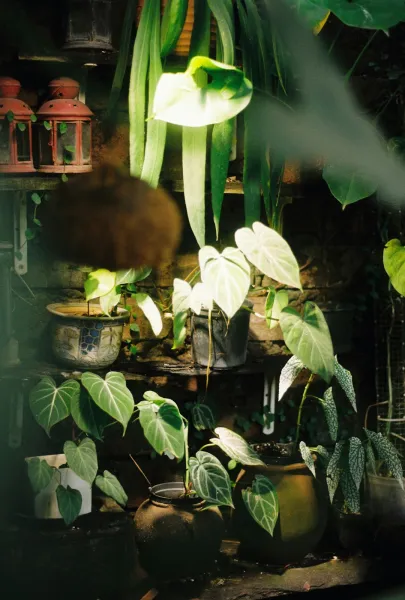
Creating an indoor garden is one of the most rewarding experiences you can have, and doing so with an eco-friendly twist by upcycling glass jars and utilizing LED grow lights adds extraordinary benefits for both your living space and the environment. This project is perfect for beginners looking to connect with nature within the convenience of their home while simultaneously contributing to sustainability efforts.
Upcycling glass jars prevents waste by reusing materials that might otherwise be discarded, making it a great way to practice an environmentally-friendly lifestyle. LED grow lights, on the other hand, combine energy efficiency with the ability to provide the right spectrum of light that plants need to thrive. This means even if your home lacks sufficient natural light, you can still cultivate a vibrant indoor garden.
The benefits of creating such a garden are abundant. Not only will you be producing fresh herbs or succulent plants that can enhance your culinary endeavors and decor, but you are also improving air quality, increasing your mood, and receiving educational experiences on plant care and indoor gardening.
This DIY project is perfect for those at a beginner level, with no prior gardening experience needed. By following this detailed guide, you can develop valuable skills while enjoying the therapeutic benefits that come from nurturing plants.
Tools Needed
1. Glass Jars: To provide sustainable homes for your plants. Various sizes can accommodate different plant needs. 2. Drill with a Glass Drill Bit: For creating drainage holes in glass jars, which is important to prevent overwatering. 3. Scissors: Useful for cutting up any plant materials or adjusting potting soil components as needed. 4. Ruler/Measuring Tape: Helps ensure even spacing in your arrangement and assists with cutting and drilling dimensions. 5. Soil Scoop or Trowel: Ideal for transferring soil and plant materials into your jars without much mess. 6. Gloves: Protect your hands while handling soil, plants, and glass. Even though it’s not hazardous, it’s good practice. 7. Watering Can or Spray Bottle: Keeps your plants hydrated. A spray bottle is especially useful for small jars where direct watering may be tricky. 8. LED Grow Lights: These will provide the necessary light spectrum for your plants, replicating sunlight conditions indoors and encouraging growth.
Materials
1. Upcycled Glass Jars: 5-10 jars of various sizes (e.g., mason jars, pasta jars) 2. Potting Soil: 2-3 quarts suitable for indoor plants. 3. Herb Seeds or Succulent Cuttings: Select 4-5 varieties based on your preference (basil, mint, rosemary, etc. or succulents). 4. Gravel or Pebbles: 1 quart for drainage layers. 5. Activated Charcoal: 1 cup to help prevent odor buildup in the jars. 6. Decorative Stones or Sand: 1 cup to beautify the top layer of your garden and retain moisture. 7. Labels or Stickers: Optional, 5-10 labels for marking plant names. 8. Fertilizer (Optional): Indoor plant food or organic fertilizer for added nutrients. 9. Water: Clean water will be needed throughout the process and for maintaining your garden. 10. Sealant (optional): In case any edges of your cut glass still feel sharp or unsafe.
Intro
With the increasing pace of urbanization, many people are beginning to feel disconnected from nature. An indoor garden can bridge this gap—not just for your mental health and well-being but also for sustainable living practices. By transforming glass jars into beautiful homes for plants, you breathe new life into items that may have otherwise ended up in a landfill. This process not only enhances your environment aesthetically but also provides a therapeutic outlet through nurturing.
Moreover, the presence of plants can foster a calming atmosphere, promote creativity, and improve air quality. You may not realize it, but nurturing green life within your home can significantly enhance your living situation. Additionally, by utilizing LED grow lights, you are capitalizing on energy efficiency, ensuring that your plants receive sufficient light without the ecological footprint often associated with traditional growing methods.
No prior gardening experience? No problem! By following this guide, you'll walk through each step with the utmost clarity. So let’s get started on this colorful, sustainable journey.
Step 1: Collect Your Supplies
Before embarking on creating your indoor garden, gather all necessary tools and materials. Think about the types of plants you wish to cultivate and decide how many jars you want to use. The collection phase is essential; look through your recycling bin for eligible glass jars, ensuring they are clean and free of labels.
Tips: Use a variety of jar shapes and sizes for visual interest. Gather soil, seeds, drainage materials, and lighting so everything is ready to go. This will streamline your gardening process.
Step 2: Prepare Your Glass Jars
Work in a safe environment where you have ample space to operate. Start by drilling small drainage holes at the bottom of each glass jar. Using a glass drill bit, apply a little water to the drill area to reduce heat and friction. Make sure to press gently and firmly.
Safety Tips: Wear gloves and protective eyewear while drilling to avoid injury from glass shards. If you feel uncomfortable using a drill, consider using jars that already have drainage, or avoid using the jars for plants that require soil.
Step 3: Create a Drainage Layer
Once your jars are prepared, the next step involves setting them up for success. Place a layer of gravel or pebbles at the bottom of each jar—approximately 1-2 inches deep. This layer will help facilitate drainage, ensuring that your plants’ roots don't become waterlogged.
Tips: If you're creating multiple jars, label them (either directly on the jar or on a separate label) to avoid confusion later. This is particularly useful if different jars will house different seed types.
Step 4: Add Activated Charcoal
On top of the gravel layer, add a thin layer of activated charcoal, about 1/2 inch thick. This layer serves as a natural filter to absorb odors and toxins, keeping your indoor garden fresh.
Why Activated Charcoal?: This element is especially useful in closed environments, as it helps maintain a healthy balance of air quality.
Step 5: Fill with Potting Soil
Next, fill your glass jars with potting soil until you leave about 1-2 inches from the top. Pack the soil lightly—but not too tightly—to allow air pockets for root growth.
Tips: You can mix in a slow-release fertilizer at this stage if you plan on keeping plants long-term. It will provide essential nutrients over time without frequent additions. Additionally, avoid using garden soil from outdoors, as it may contain pests or pathogens unsafe for indoor planting.
Step 6: Plant Your Seeds or Cuttings
Now it's time for the most exciting part: planting! Gently create small holes for your seeds or cuttings, following the recommended planting depth on seed packets (typically around 1-2 times the size of the seed).
Tips: If using cuttings, make sure they are healthy and have a few leaves. Lightly pinch the cuttings' bases into the soil and ensure they have enough depth for stability. Follow the specific requirements for each type of herb, as different plants prefer different soil depths.
Step 7: Watering
After planting, give each jar a gentle watering. Use a spray bottle or watering can, depending on the size of your jars. Ensure that the water drains out through the gravel layer, avoiding over-watering.
Important: It’s essential to monitor your plants closely, especially in these early stages, to prevent waterlogged conditions which could cause root rot.
Step 8: Set Up Your LED Grow Lights
Install LED grow lights above your jars according to the manufacturer's instructions. Generally, you’ll want to position them 12-24 inches above your plant area to provide adequate light without overheating the plants. Aim to have the lights on for around 12-16 hours per day, replicating full sun exposure.
Why LED Lights?: They consume less power than traditional incandescent or fluorescent lights while producing less heat, making them a perfect choice for indoor gardening.
Step 9: Monitor Growth and Conditions
Keep an eye on your plants, monitoring their water needs, light levels, and overall health. Make adjustments as necessary. Over time, you may need to adjust the height of your LED lights or even consider rotating your jars to ensure all plants receive equal light.
Step 10: Enjoy Your Indoor Garden
As your plants grow, take time to enjoy the fruits of your labor! Regularly prune herbs to promote growth and indulge in fresh flavors as they reach maturity. Share your gardening experiences with friends, or even consider creating a small herb exchange in the community.
Troubleshooting
Even with the best planning, challenges can arise. Here's how to tackle some common indoor gardening issues:
1. Yellowing Leaves: This can indicate overwatering or inadequate sunlight. Evaluate your watering schedule and lighting conditions.
2. Slow Growth or No Growth: Double-check that plants are receiving adequate light and nutrients. Consider adjusting your LED light timing or adding a diluted fertilizer.
3. Mold Growth: If mold appears on the surface of the soil, reduce watering frequency and consider introducing a small fan for air circulation.
4. Leggy Plants: This usually indicates that your plants are stretching for light. Increase the duration or intensity of light exposure or decrease the distance between plants and lights.
5. Pest Infestation: If you notice bugs, isolate the affected plant, and treat it with insecticidal soap or neem oil, being sure to test for sensitivity on a small leaf first.
Conclusion
Having an eco-friendly indoor garden nurtured in upcycled glass jars with the help of energy-efficient LED grow lights can be an exhilarating and fulfilling endeavor. You gain not only aesthetic beauty but also the ability to cultivate fresh herbs and succulents in your home—all while positively impacting the environment.
As you gain confidence and experience, consider expanding your garden or experimenting with other upcycled materials for plant containers. Always remember to maintain your garden with proper watering, light adjustments, and periodic pruning. You have embarked on a journey that brings nature closer to your everyday life, fostering a sense of connection and responsibility for the planet.
Happy gardening!