How to create a vertical garden using repurposed wooden pallets and upcycled containers
Intro
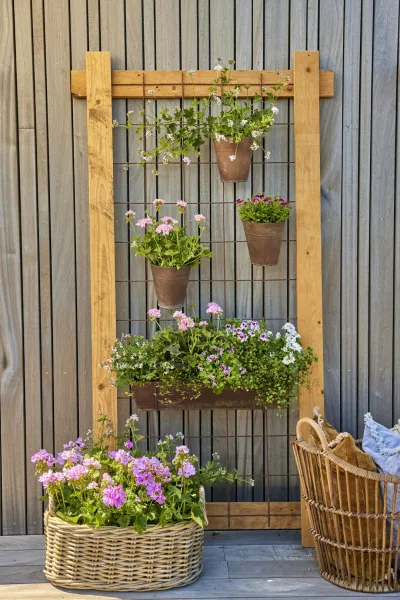
As urbanization continues to expand, green spaces often find themselves at a premium. Whether you have a small balcony, a limited backyard, or a sunny wall that’s just begging for life, creating a vertical garden is an excellent solution. This DIY project of building a vertical garden using repurposed wooden pallets and upcycled containers not only helps save space but also breathes new life into discarded materials, minimizing waste.
Vertical gardens are not just a delightful sight; they bring numerous benefits to your home and surroundings. First and foremost, the aesthetic appeal of colorful flowers, lush greenery, and vibrant vegetables can transform any dull wall into a living canvas. Moreover, vertical gardens can improve air quality by filtering pollutants and releasing oxygen. They can also provide insulation, helping to regulate indoor temperatures and lowering energy costs. Additionally, growing your own herbs and vegetables reduces your reliance on store-bought produce, leading to a healthier lifestyle.
If you’re new to gardening or handy projects, have no fear! This guide is tailored for beginners, breaking down the process into easy steps. Creating your vertical garden will not only beautify your environment but also give you a great sense of accomplishment. So, let’s roll up our sleeves and get started on this exciting journey of sustainable gardening.
Tools Needed
1. Cordless Drill
- Essential for making holes in the pallet and containers and securing screws in place.
- Useful for manual tightening of screws if the drill is cumbersome in tight spots.
- Required for cutting the pallet and other wooden pieces to the desired length.
- Important for smoothing out rough edges on the pallet and wooden containers to avoid splinters.
- Helps ensure that your vertical garden is straight and visually appealing when mounted on a wall.
- Necessary for measuring dimensions accurately before cutting and assembling your garden structure.
- Protects your hands from splinters and dirt while working with materials and planting.
- Essential to protect your eyes from dust and debris when cutting wood or drilling.
Materials
1. Wooden Pallet – 1 large or 2 small pallets 2. Wooden Boards (for back support) – 2 pieces, each 2 x 4 feet 3. Upcycled Containers (like tin cans, old pots, or crates) – 6-8 containers 4. Potting Soil – 1-2 bags, depending on container size 5. Plants or Seeds – Various (herbs, flowers, or succulents) 6. Wire Mesh or Landscaping Fabric – 1 roll (to prevent soil from falling out) 7. Screws – 1 box (for securing the pallet and containers) 8. Wood Stain or Sealant (optional) – 1 can (to protect the wood and add color) 9. Rope or Wire (for hanging and securing plants) – 1 coil 10. Drip Tray (optional) – 1-2 trays for drainage
Step 1: Choosing the Right Pallet
What
Select a wooden pallet suitable for outdoor use. Look for pallets that are sturdy and free from chemicals, pesticides, or mold.
How
Examine the pallet carefully. You can often find pallets at local hardware stores, grocery stores, or lumber yards. Ensure the wood is untreated.
Tips
- Look for pallets marked with “HT” for heat-treated; they are usually safer for gardening.
- Check for broken or damaged slats that may not hold your plants securely.
Safety
Wear gloves when inspecting and moving heavy pallets to avoid splinters or injuries.Step 2: Preparing the Pallet
What
Prepare the pallet by cleaning it and, if needed, sanding it down.
How
- Scrub the pallet using soapy water to remove dirt and grime.
- Once dry, use sandpaper or a sander to smooth out any rough edges or splinters that could cause injury later.
Tips
- If you want to add color, this is the time to apply wood stain or sealant before planting.
- Allow the stain or sealant to dry thoroughly before proceeding.
Safety
Always wear a mask when sanding to avoid inhaling dust particles.Step 3: Setting Up the Back Support
What
Provide additional support for your vertical garden by attaching wooden boards to the back of the pallet.
How
- Cut two pieces of wood to measure 2 feet by 4 feet.
- Attach these boards vertically to the back of the pallet using screws. Pre-drill holes to prevent splitting the wood.
Tips
- Ensure that the boards are level. The level will help maintain the structure when hung.
- Leave some space at the bottom for drainage or use a drip tray.
Safety
Be cautious with the drill and support the pallet when moving it to avoid accidents.Step 4: Adding the Containers
What
Attach upcycled containers to the front of the pallet to create planting pockets.
How
- Using screws, fasten the containers to the slats of the pallet.
- You can also use landscaping fabric or wire mesh to create pockets if you want more soil area.
Tips
- Arrange the containers in a staggered fashion for aesthetic appeal and to ensure sun exposure for all plants.
- Consider using different-sized containers for variety.
Safety
Be mindful of sharp edges when handling containers.Step 5: Preparing for Planting
What
Prepare the containers for planting by adding a layer of drainage and soil.
How
- If using tin cans, drill holes in the bottom for drainage.
- Fill each container with potting soil, leaving space at the top.
Tips
- Mixing in some compost can provide nutrients for your plants.
- Place a small layer of gravel at the bottom of the containers for extra drainage.
Safety
Ensure proper posture when bending down and lifting heavy bags of soil to avoid strain.Step 6: Planting
What
Choose and plant your desired greens, flowers, or herbs.
How
- Select small plants or seeds that fit well in your containers.
- When planting seeds, follow specific depth guidelines. If using small plants, gently remove them from their pots and place them into the soil, firming around the base.
Tips
- Prioritize sun-loving plants for the top containers, and consider shade-tolerant plants for the bottom.
- Don’t overcrowd the containers; plants need space to grow.
Safety
Be gentle when handling roots to avoid damaging the plants.Step 7: Watering and Maintenance
What
Properly water and maintain your vertical garden.
How
- Water thoroughly, ensuring the soil is moist but not waterlogged.
- Consider using a drip irrigation system for convenience.
Tips
- Monitor the moisture level, especially in hotter months. Adjust your watering schedule according to weather conditions.
- Regularly check for pests and remove any dead foliage to promote plant health.
Safety
Use a sturdy ladder when watering high containers to maintain balance, and avoid overwatering.Step 8: Securing the Vertical Garden
What
Mount the vertical garden onto a wall or fence.
How
- Identify a suitable location with adequate sunlight.
- Use screws to secure the pallet firmly to the wall or lean it against a stable structure.
Tips
- If unsure about the strength of the wall, use brackets for added stability.
- You can also create a free-standing structure if mounting isn’t feasible.
Safety
Ensure you use appropriate anchors for the wall type, and be cautious while securing the pallet.Step 9: Troubleshooting Common Issues
What
Recognize common pitfalls and how to address them.
How
- If plants are wilting, check moisture levels; over or under-watering can cause distress.
- Look for signs of pests or diseases—yellowing leaves may indicate a nutrient deficiency.
Tips
- Regularly turn the pallet or rotate plants to ensure even growth.
- If soil falls out from containers, reinforce the fabric mesh or add more soil.
Safety
Be sure to wear gloves and protective eyewear while handling chemical pest treatments.Troubleshooting
Common Issues and Fixes
1. Wilting Plants:
- Check watering habits; ensure that the plants are neither over nor under-watered. Adjust your watering schedule based on conditions.
- Reinforce the containers with wire mesh or landscaping fabric to keep the soil from escaping.
- If plants are showing signs of heat stress, consider moving the garden to a location with partial shade during the hottest parts of the day.
- Inspect for pests regularly. Use natural insecticidal soap or neem oil as a treatment.
- Signs include yellow leaves or stunted growth. Regularly apply slow-release fertilizer or compost to replenish nutrients in the soil.
Conclusion
Creating a vertical garden using repurposed wooden pallets and upcycled containers is an enriching project that empowers you to combine creativity with sustainability. This guide walks you through the essential steps, from selecting your pallet to maintaining your vibrant green wall, ensuring that even beginners can achieve a flourishing garden.
There are endless variations you can explore—try different plant combinations, paint your containers in bright colors, or even incorporate fairy lights for an enchanting evening display. Regular maintenance and monitoring will keep your vertical garden thriving and attractive.
With a little love and care, your vertical garden will not only beautify your space but also provide you with fresh herbs and flowers for your home. Get started today, and enjoy the fruits (and veggies!) of your labor!