How to create a vertical garden using repurposed pallets and sustainable materials
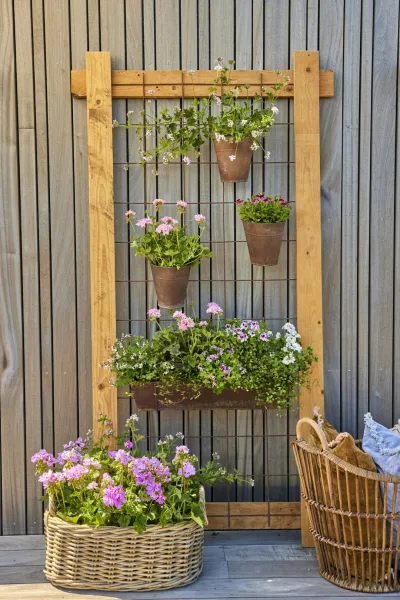
Creating a vertical garden using repurposed pallets is an innovative and eco-friendly way to enhance your outdoor or indoor space. This DIY project is not just about beautifying your environment; it's also a sustainable approach to gardening that makes use of materials that might otherwise end up in a landfill. With an increasing push towards sustainability, many individuals are looking for creative ways to grow their own food and greenery while minimizing waste. A vertical garden can fit into small spaces, making it perfect for urban dwellers with limited outdoor areas.
Beyond just aesthetics, vertical gardens offer numerous benefits, such as improving air quality, providing insulation, supporting biodiversity, and even enhancing your mental well-being through interaction with nature. The skill level for this project is beginner-friendly, making it ideal for those who are new to gardening or DIY projects. Not only will you enjoy the satisfaction of creating your vertical garden, but you’ll also reap the rewards in terms of fresh herbs, vegetables, or ornamental plants, all while promoting a greener planet.
This detailed guide will provide you with all the information you need to construct a vertical garden using repurposed pallets and sustainable materials. By following the step-by-step instructions, you'll familiarize yourself with the necessary tools and materials, and you'll be prepared to tackle any challenges along the way. Let’s get started on your vertical garden journey!
Tools Needed
- Hammer: Essential for assembling the pallet and securing the supports. A good-quality hammer will make this task easier.
- Nails or Screws: You’ll need these to secure the wooden slats effectively. Screws tend to offer better stability, especially in outdoor conditions.
- Saw: A hand saw or a power saw will help you cut the pallets and other wooden materials to size for your vertical garden.
- Drill: A power drill will be handy for making holes for drainage, and securing screws when assembling your garden structure.
- Sandpaper or Sander: Necessary for smoothing rough edges on the pallet, which can prevent splinters and give a more professional finish.
- Landscape Fabric: Keeps soil from falling out while still allowing water to drain through. It’s a sustainable way to support your plants.
- Measuring Tape: To ensure that everything fits well in your space and that your plants have enough room to grow.
- Gloves: Protect your hands from splinters and dirt when working with pallets and soil.
Materials
- Repurposed Pallet: 1-2 depending on the size you desire for your vertical garden. Ensure it's untreated wood to avoid chemical exposure to your plants.
- Potting Soil: Approximately 2-3 bags (depending on the size of your vertical garden and the depth of each section).
- Plants or Seeds: Choose a variety of herbs, vegetables, or flowers – around 6-12 seedlings depending on the pallet’s size and sections.
- Wooden Boards (optional): 2-4 boards for additional structure or to create dividers between sections.
- Staple Gun: For attaching landscape fabric to the back of the pallet.
- Hinges (optional): If you desire to create a foldable pallet garden, a pair of hinges will allow this feature.
- Brackets (optional): For wall mounting or additional support, metal brackets can add stability to your vertical garden.
- Watering Can or Hose: Essential for watering your plants once they are set in place.
- Mulch (optional): About 1 bag, to reduce water evaporation and insulate the soil.
Step 1: Choosing the Right Pallet
The first step in creating your vertical garden is selecting the right pallet. Look for pallets that are marked “HT” (heat-treated) rather than “MB” (methyl bromide-treated), as the latter can contain harmful chemicals. Check for any signs of rot, mold, or extensive damage. The best pallets are sturdy, clean, and intact. If it feels shaky or has any missing slats, it may not be suitable for your vertical garden.
Tip: Ask local businesses if they have pallets they are looking to dispose of. This not only saves you money but also promotes sustainable practices by reusing.
Step 2: Cleaning the Pallet
Once you have selected the right pallet, it’s time to clean it thoroughly. Use a mixture of water and soap to scrub off dirt and debris. Rinse it well, and allow it to dry completely in the sun. This step is crucial as it will ensure that mold and pests do not become a part of your garden.
Safety Tip: Wear gloves while cleaning to protect your hands from potential splinters and sharp edges.
Step 3: Preparing the Pallet
Next, you will need to sand down the pallet to avoid sharp edges and splinters. Use sandpaper or a sander to smooth all surfaces, paying special attention to edges. Once sanded, you can consider applying a natural wood sealant to help protect it from the elements if it will be outdoors.
Tip: If you choose to use a sealant, make sure it's eco-friendly to prevent chemicals from leaching into the soil and affecting your plants.
Step 4: Cutting the Landscape Fabric
After preparing your pallet, lay it flat and measure the back of the pallet to cut the landscape fabric accordingly. You will need enough fabric to cover the entire back surface and extend slightly around the edges. The landscape fabric acts as a barrier, preventing soil from falling out while allowing drainage.
Tip: Use a staple gun to secure the landscape fabric to the back of the pallet, ensuring it’s taut but not too tight.
Step 5: Securing Additional Support (If Necessary)
If you wish to provide more structure to your vertical garden, now is the time to attach additional wooden boards. These can be positioned vertically or horizontally as dividers between plant sections. Use screws or nails to secure the boards firmly in place.
Tip: Make sure these supports are strategically placed to avoid obstructing plant growth.
Step 6: Filling with Soil
Now, it’s time to fill your prepared pallet with potting soil. Start from the bottom, filling each section, but don’t pack it too tightly as plants need room to breathe. Leave the top section a bit lower than the edge to avoid overflow when watering. The soil mix requires sufficient aeration in order to provide a healthy environment for your plants.
Tip: If you’re growing different types of plants, consider using a mixture of potting soil and compost for added nutrients.
Step 7: Planting
Before planting, decide which plants will go where. Select plants that have similar light and water requirements for best results. Start placing your plants in their respective sections, and press the soil gently around them to hold them in place. Ensure that taller plants don’t overshadow smaller ones, especially if your garden will be positioned in a way that sunlight is an issue.
Tip: Consider herbs or leafy greens, which thrive in vertical gardens and can produce bountiful yields.
Step 8: Watering and Maintenance
Once planted, give your vertical garden a good initial watering to settle the soil. Going forward, you’ll need to check your plants regularly, watering them based on their specific needs. Integrated watering systems, like drip irrigation, can streamline this process but are not necessary for beginners. You can also use a watering can or hose, being cautious not to overwater, which can lead to root rot.
Tip: Monitor the moisture level of the soil; if it’s dry an inch down, it’s time to water.
Step 9: Positioning the Vertical Garden
If your vertical garden is meant for the outdoors, choose a sunny spot that receives adequate natural sunlight throughout the day. For wall-mounted gardens, ensure that it’s securely anchored to avoid accidents. If the pallet is free-standing, consider bracing it to prevent tipping over.
Safety Tip: If mounting on a wall, use sturdy brackets and ensure your wall can support the weight of the soil and plants.
Step 10: Enjoying Your Garden
Once everything is in place, take the time to enjoy the fruits of your labor. Observe how your plants grow, and make notes of their growth habits. This will help you learn and adapt your gardening strategies over time. Engage with your garden – pruning, watering, and even harvesting. Nothing beats the pride of growing your own food.
Tip: Invite friends or family over to share in the experience and perhaps start their own vertical garden projects!
Troubleshooting
While creating your vertical garden can be rewarding, you may face some challenges along the way. Here are five common issues and their fixes:
- Overwatering: This is a frequent problem that leads to root rot. Make sure your pallet has proper drainage holes and adjust your watering schedule based on the moisture level of the soil.
- Pests: You may find unwanted insects. To combat this, consider using natural repellents, and regularly inspect your plants for any signs of infestations.
- Stunted Growth: If your plants appear to be not thriving, check that they are receiving adequate sunlight. You may need to reposition your vertical garden or choose plants that adapt to lower light conditions.
- Soil Erosion: If soil washes out of the landscape fabric, you will need to reinforce it with more fabric or use a stronger barrier. Consider adding mulch for added stability.
- Diseased Plants: If you notice discoloration or wilting, remove the affected plant to prevent spreading. Ensure proper air circulation between plants for better health.
Conclusion
Creating a vertical garden using repurposed pallets and sustainable materials is not just an environmentally friendly project; it’s a fulfilling experience that can enrich your life. Throughout the process of designing, planting, and maintaining your garden, you learn valuable skills and gain a deeper appreciation for nature. From herb gardens to vertical planters filled with vibrant flowers, there are endless possibilities for customization to suit your space and style.
Whether you’re a seasoned gardener or a novice looking to dip your toes into the world of gardening, remember that every garden is a work in progress. Regular maintenance, observation, and a willingness to adapt will ensure that your vertical garden continues to thrive. Don’t hesitate to experiment with various plants or even incorporate new designs, as your skills and interest grow.
With a little patience and creativity, your vertical garden will become a flourishing centerpiece of your home. So grab your tools, gather your materials, and embark on this exciting journey to cultivate your garden oasis.