How to create a vertical garden using repurposed pallets and decorative planters
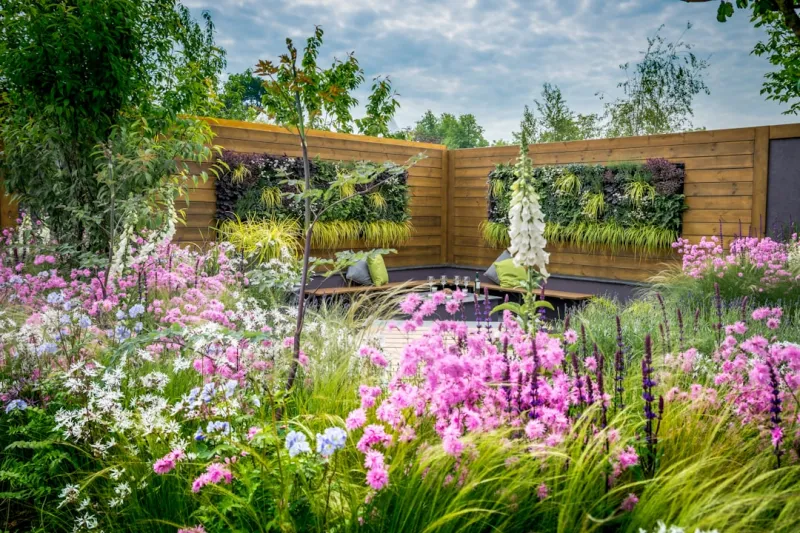
Vertical gardening is an innovative solution for anyone eager to enhance their indoor or outdoor spaces, especially if you're working with limited square footage. A vertical garden not only beautifies your environment but also allows you to grow a variety of plants, from stunning flowers to fresh herbs, in a stylish and efficient manner. This DIY project takes the concept further by utilizing repurposed pallets and decorative planters, giving you a delightful blend of sustainability and aesthetics.
By creating a vertical garden with repurposed pallets, you're contributing to environmental conservation while saving money—a win-win scenario! Why pallets? They're abundant, often available for free, and offer a rustic charm that can turn any ordinary garden or balcony into a stunning green display. Additionally, vertical gardens offer a host of benefits: they maximize space, improve air quality, and can lower indoor temperatures. Moreover, these gardens are perfect for renters or those looking to add greenery without committing to permanent installations.
This project is suitable for beginners. Even if you have limited DIY experience, with a little guidance and enthusiasm, you can create a beautiful vertical garden that will become the envy of friends and family. In this guide, we'll walk through the tools, materials, and detailed steps needed to successfully create your vertical garden so you can work efficiently and safely. So roll up your sleeves, gather your materials, and let's dive into this rewarding venture!
Tools Needed
1. Hammer – Essential for driving nails into the pallet and for assembling parts securely. 2. Screwdriver – Useful for tightening screws to hold components together, making the structure more robust. 3. Saw (hand saw or power saw) – Needed for cutting the pallet if adjustments to size are necessary; a power saw often makes this job quicker. 4. Sandpaper or a power sander – Important to smooth the wood surfaces to avoid splinters and ensure a polished look. 5. Measuring tape – To measure the dimensions of your pallet and ensure that your vertical garden will fit the intended space. 6. Level – Ensures that your vertical garden is aligned properly when hung, which will help in preventing warping over time. 7. Gloves – Protects your hands while handling wood and working with plants and soil. 8. Watering can or spray bottle – For easily watering your plants once your vertical garden is completed.
Materials
1. Wooden pallet – 1 (standard size about 40x48 inches; ensure it's in good condition) 2. Landscape fabric – 1 roll (approximately 3 feet by 50 feet) to line the back and prevent soil from falling out. 3. Potting soil – 3 bags (1.5 cubic feet each) suitable for the types of plants you choose. 4. Decorative planters – 5–7 depending on your design (select various sizes for visual interest). 5. Nails or screws – 1 box (a medium size that works well with wood; 1.5-inch screws are recommended). 6. Wooden brackets – 2 (to secure the pallet to the wall). 7. D-hooks or wire – 2 (for hanging the vertical garden securely). 8. Plants/Seeds – Various (choose herbs, flowers, or succulents based on your preference). 9. Watering tray or drip trays – 5–7 (to collect excess water from planters). 10. Decorative paint or wood stain (optional, for a finishing touch).
Step 1: Gather Your Inspiration
Before diving into the material selection and construction, it is essential to have a vision of what your vertical garden will look like. Check out images online, visit local gardens, or browse through Pinterest boards specifically devoted to vertical gardening. Take notes on plant varieties, arrangements, and aesthetics that appeal to you. This preparatory step will help guide your choices and give you a clearer idea of how your project will unfold.
- Tip: Create a mood board with imagery that speaks to you regarding colors, types of plants, and designs. This helps in solidifying your vision!
Step 2: Prepare Your Pallet
Safety is a priority, so first inspect your pallet carefully for any signs of mold, rot, or broken slats. Look for the heat-treated stamp (HT) to ensure it's safe for gardening. If necessary, use your saw to cut the pallet to your preferred size, trimming the sides or the bottom. Once you've completed your cuts, sand the wood thoroughly, ensuring you smooth any rough edges and surfaces to prevent splinters.
- Tip: If you wish to customize the look, this is the time to apply decorative paint or stain. Allow it to dry completely before proceeding to the next step.
Step 3: Line the Pallet
Using landscape fabric, cut enough material to line the back and sides of the pallet. This step is crucial; it keeps the soil contained while allowing moisture to drain. Staple or nail the landscape fabric securely to the pallet. Make sure it’s tightly fitted to avoid any gaps that may allow soil to escape.
- Safety Note: Wear gloves while handling staples or nails to protect your hands.
Step 4: Plan Your Configuration
Before committing to planting, layout your planters on the pallet to visualize the arrangement. Mix and match different sizes and shapes, thinking about how plants of various heights will grow. Observe sunlight requirements as well; taller plants should be positioned on top to avoid overshadowing the shorter varieties.
- Tip: Consider grouping plants with similar water and light needs for easier maintenance.
Step 5: Fill Planters with Soil
Start filling your decorative planters with the potting soil, leaving about an inch of space at the top of each pot. This area allows for when you water your plants, preventing overflow and mess. Lightly tap the sides of the pots as you fill them to eliminate air pockets in the soil.
- Safety Tip: Wear your gloves to avoid irritations from soil, especially if potting soil contains fertilizers.
Step 6: Plant Your Selection
Now it’s time to plant! Remove the plants from their respective nursery pots, loosening the roots if they're tightly bound. Position them in the planters, ensuring that they’re planted at the appropriate depth—about the same as when grown in their original pots. Fill in around the roots with soil and gently pat down, ensuring a secure fit.
- Tip: Remember to check the root balls of your plants; if they’re overly dense or tangled, a gentle pruning can help promote growth and health.
Step 7: Secure the Planters
Using nails or screws, securely attach your decorative planters to the pallet. Alternatively, you could use heavy-duty adhesive for a cleaner look. Depending on the type of planters you have chosen, ensure that they are attached firmly and are level. This reduces the risk of pots falling out as they become heavier when watered.
- Safety Note: Ensure your pallet is stable before proceeding. You don’t want it to tip over, causing damage to your plants or injury to you.
Step 8: Hang the Vertical Garden
With your vertical garden now fully planted, it’s time to hang it! You might require assistance for this step, especially if your pallet is large and heavy. Using the wooden brackets, mount them to the wall at the desired height, ensuring they are level. Then, carefully hang your pallet on the brackets or use D-hooks/wire for safety. Check once more that the garden is secure before leaving it unattended.
- Tip: Make certain that the location receives adequate sunlight for the plants you've selected.
Step 9: Water and Care
Now that your vertical garden is complete, it’s essential to establish a reliable care routine. Start by watering thoroughly, allowing the water to soak in well. For varieties like herbs or succulents, ensure that you don’t over-water, while flowering plants might need more moisture.
- Tip: Use a watering can or spray bottle for easy access, ensuring you touch any soil that begs for moisture without flooding the system.
Step 10: Regular Maintenance
Finally, establish a maintenance schedule to ensure your vertical garden thrives. This will involve regularly checking for dead leaves, pests, and overall plant health conducive to your chosen varieties. Prune when necessary, and do not forget to enjoy the beauty of your garden! Set reminders on your phone or calendar for watering and fertilizing sessions.
- Tip: Plan periodic cleanings for both the pallets and planters to maintain aesthetics and health.
Troubleshooting Common Issues
1. Plants wilting or yellowing:
- Fix: This usually indicates overwatering or insufficient light. Assess your watering schedule and ensure your plants receive appropriate light, either natural or through supplementary means.
- Fix: If you notice insects, you can treat them with organic insecticides or introduce beneficial insects like ladybugs. Regular inspections can help catch outbreaks early.
- Fix: If planters are coming loose, check that they are securely attached. Consider adding brackets or stabilizers if necessary.
- Fix: This can develop in high-humidity environments. To remedy this, increase air circulation around the plants or reduce watering. Consider choosing more mold-resistant plants.
- Fix: Ensure there are drainage holes in your planters. If soil is consistently soggy, consider re-potting into a better-draining mix or adding stones or pebbles at the bottom of the planters.
Conclusion
Creating a vertical garden using repurposed pallets and decorative planters is not just an engaging DIY project; it’s a wonderful way to enhance your space, grow your own plants, and make a contribution to sustainability. The steps outlined above provide a clear path from imagination to reality, ensuring that even beginners can confidently dive into the world of vertical gardening.
Consider playing with different materials and plant varieties to personalize your project further. Want an herb garden? Mix in some edible flowers! Feel like going tropical? Try ferns and orchids! The possibilities are endless.
Maintaining your vertical garden is just as important as creating it. With the right upkeep, your vertical garden can thrive for years, offering beauty and harvests. As you enjoy the journey, remember that growth doesn’t stop with just plants—let this be an avenue for your creativity to thrive, too!