How to create a vertical garden using reclaimed materials for small spaces
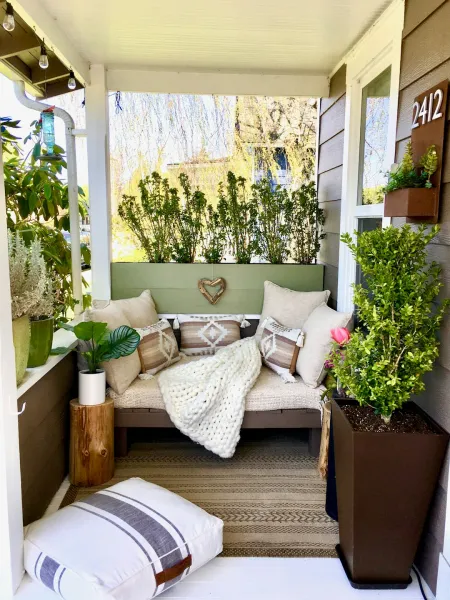
Creating a vertical garden using reclaimed materials is a fantastic approach for those living in small spaces who wish to cultivate plants without sacrificing valuable floor area. Imagine turning an empty wall into a lush green oasis or using recycled pallets to grow a kitchen herb garden at arm's reach. This DIY project isn’t just about beautifying your home; it’s an eco-friendly endeavor that allows you to repurpose materials, which reduces waste and conserves resources. Furthermore, vertical gardening can enhance your home’s air quality, provide fresh produce, and even aid in stress relief as you reconnect with nature.
Skill Level: This project is beginner-friendly, requiring only basic tools and materials that you likely have at home or can easily obtain. You don’t need to have horticultural knowledge to embark on this journey—passion and creativity will guide you. The beauty of a vertical garden made with reclaimed materials is that each piece tells a story, adding unique character to your space.
As we delve into this DIY project, you’ll discover the tools and materials necessary for your vertical garden, detailed step-by-step instructions for assembly, troubleshooting tips, and maintenance advice. Let’s get started on transforming your small space into a green retreat!
Tools Needed
- Measuring Tape: Essential for measuring the dimensions of your wall and the items you’ll be using, ensuring that everything fits as planned.
- Drill: Necessary for creating holes in your reclaimed materials, which is particularly important if you're securing shelves or mounting your vertical garden to the wall.
- Screws and Anchors: These will be used to secure the vertical garden to your wall. Choosing the right size and type relative to the weight of the materials is crucial for stability.
- Hammer: Useful for driving in any nails if you choose to use wooden pieces in your vertical garden design.
- Saw: If your reclaimed materials need to be cut to size, a hand saw or power saw will be required to create the appropriate dimensions.
- Gloves: Protect your hands from splinters and sharp edges when working with reclaimed wood or other materials.
- Trowel: Ideal for potting soil and planting your herbs and flowers into your containers or pockets.
- Level: This ensures that your vertical garden hangs straight, giving it a polished and professional appearance.
Materials
- Reclaimed Wood (2-3 pieces, each about 1”x6”x6’): Strips for building the framework or shelves of your vertical garden.
- Pallet (1 full): A versatile base for your garden; make sure it’s in good condition and free from mold.
- Hanging Planters or Cheesecloth (4-6): These will hold your plants in place. Choose ones that suit your theme; for example, fabric for a rustic look.
- Metal Bracket or L-brackets (4): These provide extra support when mounting your project to the wall.
- Potting Soil (1 bag, approx. 2 cu. ft.): Ensure that it is of high quality for your plants.
- Plants or Seeds (5-10): Depending on your preferences and available light, choose herbs, flowers, or small vegetables.
- Sandpaper (1 sheet): For smoothing out rough edges on your reclaimed wood.
- Watering Can or Spray Bottle: For easy watering of your vertical garden.
- Plastic Liners: To line your wooden containers or shelves, this will help keep soil from spilling out.
- Nails or Staples: For additional stability or for fastening any wire mesh, if included.
Step 1: Choose Your Location
Begin by selecting the appropriate wall space for your vertical garden. Consider areas with sufficient sunlight exposure (6-8 hours daily is optimal for most plants) and good drainage. A wall on a balcony, patio, or even an indoor space near a window can be suitable. Check if the surface is sturdy enough to support the weight of the soil and plants as they grow.
Tip: Observe the sun throughout the day before locking in your garden’s location. Keep in mind, south-facing walls usually catch more sunlight than other orientations.
Step 2: Gather Your Materials
Next, collect all the materials and tools you’ll need for the project. Ensure that your reclaimed wood is free from hazardous splinters or other unsafe elements. If the wood has a rich history, consider giving it a light wash if there’s dust, or leave it as is for an authentic weathered look. Keep your workspace organized to increase efficiency and safety while working.
Safety Tip: Always wear protective gloves when handling reclaimed wood to prevent splinters and cuts.
Step 3: Prepare Your Wood
Using sandpaper, smooth out any rough edges or surfaces of your reclaimed wood. This step is crucial for avoiding splinters and ensuring that plant pots or soil won't get caught on jagged surfaces. If your wood pieces are particularly thick or heavy, consider cutting them down to a more manageable size using a saw.
Tip: If you're using a pallet, ensure that the wood is not rotting or infested with pests. You can treat the wood with a natural solution to avoid any infestations while still keeping it eco-friendly.
Step 4: Assemble the Framework
Construct the framework of your vertical garden using the prepared wood pieces. If you’re using a pallet, decide whether to stand it upright or mount it to the wall, or create shelving from individual slats. Depending on your design, use your drill and screws to securely attach pieces together, ensuring it can handle the weight of the soil and plants.
Tip: A tiered arrangement not only provides visual interest but optimizes light exposure for each plant. Make sure to distribute the weight evenly across the structure.
Step 5: Mount Your Structure
Once the framework is assembled, it’s time to mount it to your chosen wall. Use mounting brackets or screws to secure the structure firmly to the wall. Ensure that it is level using your level tool—this not only looks neater but also prevents water from pooling in any specific area.
Safety Tip: Check wall integrity; ensure that screws are drilled into wall studs or use wall anchors for sturdier support.
Step 6: Line the Planters
Line your planters with plastic liners or gardening fabric to prevent soil from leaking out. These liners will also help retain moisture in the soil, providing your plants with a healthy environment. Use a staple gun to secure the liner to the planter if necessary.
Tip: If you use fabric, you can allow it to drape down a bit; this not only looks nice but helps retain moisture while giving a more rustic appearance.
Step 7: Fill With Soil
Now it is time to fill your planters with quality potting soil. Make sure to create space—about an inch from the top—so that soil doesn’t spill out when watering. Use the trowel to compact the soil lightly; this ensures better root establishment as the plants grow.
Tip: Always check the moisture level of your soil; too dry or too wet soil can adversely affect plant growth.
Step 8: Plant Your Greenery
Choose your plants wisely, considering the amount of sun and space they’ll need. Arrange and plant them in your lined containers according to your preference. Group plants by their light and water needs for an easier maintenance experience. After planting, give them a good watering to help settle the soil.
Tip: For herbs, consider planting them in a triangular pattern for better airflow and sun exposure.
Step 9: Water and Maintain
Once everything is planted, ensure you water your vertical garden appropriately and monitor soil moisture regularly. Depending on the type of plants chosen, they may need different care; most herbs prefer slightly dry conditions, while ferns thrive in moist environments.
Maintenance Tip: Use a spray bottle for fine mist watering if your vertical garden is planted densely; this avoids disturbing the soil too much.
Step 10: Decorate and Personalize
Finally, add personal touches to your vertical garden! Use decorative stones, small garden statues, or hang ornaments from the framework to create a stunning visual appeal. Express your creativity and enjoy the flourishing life you’ve cultivated!
Tip: Incorporate some colorful flowers, and nice pots, or even paint your pallets or wood in a color that suits your style.
Troubleshooting
Common Issues and Fixes:
1. Overwatering: If you notice yellowing leaves or root rot, reduce watering frequency. Ensure your pots have good drainage to allow excess water to escape.
2. Sunburned Leaves: If your plants show signs of crisp, burned edges, they might be getting too much direct sunlight. Move your vertical garden to a partially shaded area.
3. Pests: If you notice insects on your plants, try natural repellents like neem oil or a diluted soap solution. Frequent checks can prevent an infestation.
4. Falling Plants: Ensure your containers are securely attached to the structure. You may need to use heavier materials or additional supports.
5. Poor Growth: If your plants aren't thriving, reassess their requirements. Ensure they are getting enough sunlight, water, and nutrients. Nutrient-rich soil or additives can assist in nourishing your plants.
Conclusion
Creating a vertical garden using reclaimed materials is a rewarding project that enriches both your living space and your relationship with nature. From the preparation to planting and decorating, each step is an opportunity to express creativity while being eco-conscious. Whether you opt for a rustic wooden palette or a chic modern design, the potential for personalization is limitless.
Regular maintenance, such as watering, pruning, and ensuring adequate light exposure, will keep your garden flourishing. As your gardening skills develop, consider experimenting with other vertical gardening techniques, such as hydroponics or using different vegetables to further enhance your green thumb.
With your reclaimed vertical garden, you will not only contribute beauty and life to your space but also create a peaceful sanctuary amidst the urban hustle and bustle—one that you can be proud to call your own.