How to create a vertical garden using upcycled wine bottles and pallet wood
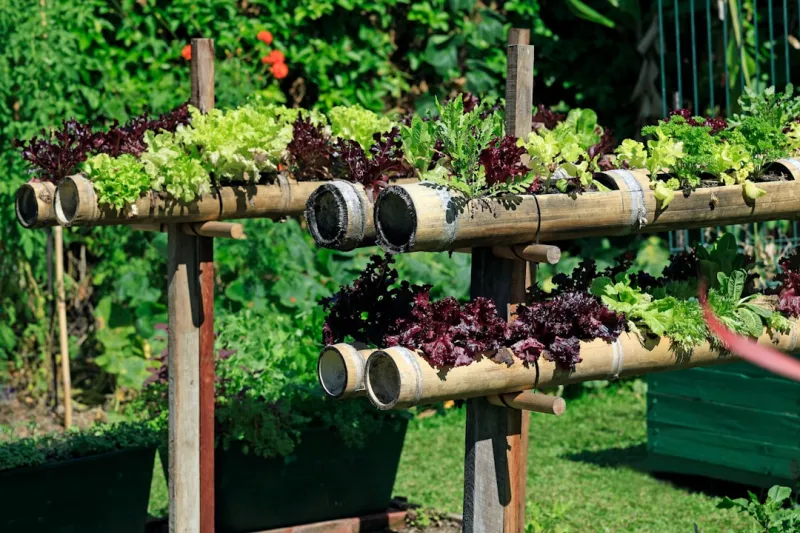
Vertical gardening has gained immense popularity in recent years, providing an innovative way to maximize space while enhancing the aesthetics of your home or garden. This creative project involves using upcycled wine bottles and pallet wood, two readily available materials that not only reduce waste but also add a rustic charm to any environment. Imagine a stunning, green wall filled with vibrant plants, herbs, or even flowers, all while giving a second life to materials that might otherwise end up in landfills.
Benefits of creating a vertical garden are plentiful:
- Space-Saving: Perfect for small spaces, vertical gardens allow you to grow a variety of plants without requiring hefty ground space.
- Aesthetic Appeal: Vertical gardens can serve as living art, transforming any dull wall into a lush, beautiful backdrop.
- Easy Access: It allows easy access for watering and harvesting, making gardening more enjoyable.
- Environmental Impact: Upcycling materials promotes sustainability and encourages a greener lifestyle.
- Educational Opportunities: It’s a great project for families and children, perfect for teaching about sustainability, gardening, and nature.
Tools Needed
1. Drill: Essential for making holes in wine bottles and pallet wood for screws and drainage systems. 2. Screwdriver: For securing the pallet wood structure and attaching the vertical garden unit to the wall or a support. 3. Wire Cutter: Helpful for trimming and shaping the wire you might use for securing the bottles or plants. 4. Wood Saw (Hand saw/Power saw): Used for cutting the pallet wood to the desired size, ensuring a clean and precise cut. 5. Sandpaper or Sander: To smooth the pallet wood edges, preventing splinters during the assembly process. 6. Measuring Tape: Critical for ensuring accurate measurements to fit your available space. 7. Gloves: Important for protecting your hands from sharp edges on wood and glass while crafting your vertical garden. 8. Safety Goggles: To protect your eyes from debris when drilling, cutting, or sanding.
Materials
- Wine Bottles: 6-10 bottles, collected based on the width of your garden.
- Pallet Wood: 1-2 standard-sized pallets, depending on how large you want your vertical garden.
- Nails or Screws: Approximately 25-50 for securing the pallets and attaching the wine bottles.
- Landscape Fabric: 1-2 yards, to line the bottles and ensure proper drainage for the plants.
- Potting Soil: 2-4 bags, based on the number of bottles you have, to fill with nutritious soil for your plants.
- Plants or Seeds: A selection of 6-12 plants (consider using herbs, succulents, or flowers based on sunlight exposure).
- Wire or Twine: 1 roll, for securing plants and bottles together.
- Wood Sealant/Paint (optional): 1 quart, to protect the wood from moisture and enhance its appearance.
- Drill Bits (for glass): 1 set, specifically designed for drilling through glass wine bottles safely.
Step 1: Gather Your Materials
Before diving into the construction process, gather all the necessary materials listed. Collect wine bottles; you’ll need both empty and clean bottles with labels removed. Choose pallet wood that is not only sturdy but also free from mold and splinters. If possible, obtain untreated wood to avoid chemicals leaching into your plants. When sourcing, consider reaching out to local bars, wineries, or restaurants for used wine bottles.Step 2: Prepare the Wine Bottles
To prepare your wine bottles, wear gloves to protect your hands. Use the glass drill bit to create drainage holes at the bottom of each bottle. This is essential to prevent root rot and facilitate proper drainage. To do so, fill the bottle with ice, then place it horizontally in a vice or clamps, which prevents it from rolling. This method keeps the temperature low and reduces the risk of the glass cracking while drilling. Go slow and steady with the drill as you create the holes.
Step 3: Prepare the Pallet Wood
Examine your pallets for structural integrity. Remove any splinters or protruding nails using sandpaper or a sander. Cut your pallet wood according to your desired vertical garden height and width, ensuring stability. Typically, each pallet section measures around 48 inches wide, but you can adjust based on your specific design. A shorter vertical garden might only require half of that. Be sure to wear your safety goggles while cutting to protect your eyes from flying debris.
Step 4: Assemble the Pallet Frame
Once your wood pieces are cut, assemble the frame by attaching the pallet sections vertically or horizontally, depending on your layout preference. Use nails or screws, ensuring each piece is securely in place. It might be helpful to create a grid or a ladder structure to allow equal spacing for each wine bottle placement. For added stability, consider reinforcing the back with extra wood or screws.
Step 5: Line the Bottles
You want to ensure the plants thrive in your wine bottles, so line them with landscape fabric. This serves multiple purposes: it acts as a barrier to keep soil from washing out, maintains moisture, and helps prevent root rot. Measure and cut pieces of landscape fabric that will fit inside the bottles and staple or glue them into place.
Step 6: Fill with Soil
Start filling your lined wine bottles with potting soil. Leave about an inch of space from the top for planting. Moisture retention is crucial, so select good-quality potting soil that has organic matter to help your plants with nutrients. To fill the bottles, you can use a funnel for a mess-free transfer. Compact the soil gently to ensure there are no large air pockets but leave enough space for root growth.
Step 7: Plant Your Greens
Now comes the fun part: planting! Depending on the plants you've chosen, insert seedlings, seeds, or cuttings into the soil of each bottle. Make sure to select plants that have similar light and water requirements to simplify maintenance. Close the bottles with a little more soil on top as needed, ensuring roots can anchor well. After planting, give each bottle a thorough watering to settle the soil around the roots.
Step 8: Hang Your Vertical Garden
Once your bottles are filled and planted, it's time to attach them to your pallet frame. Using wire or twine, carefully secure each bottle into place. If attaching to a wall, consider using brackets or screws to provide extra support. Ensure each bottle has enough room for growth. If you only want to create a free-standing unit, you can use wooden supports on either side to keep it stable.
Step 9: Maintenance and Care
After your vertical garden is complete, it’s crucial to establish a watering routine. Generally, vertical gardens will need more frequent watering than traditional gardens due to the limited soil amounts. Monitor the soil moisture levels and adjust your watering schedule accordingly. Ensure to prune plants as necessary to promote healthy growth and prevent overcrowding.
Step 10: Harvest and Enjoy!
As your plants begin to grow, watch for their progress and enjoy fresh herbs, vibrant flowers, or greens. Your vertical garden can be a beautiful and productive space, encouraging you to connect with nature. Gather produce safely and sustainably, considering adding more bottles if space permits in the future.
Troubleshooting
Even the most enthusiastic DIYer can run into challenges. Here are common issues you may face and troubleshooting tips:
- Drainage Issues: Without proper drainage, plants can suffer from rot. Make sure each wine bottle has enough drainage holes. If water collects at the base, consider re-drilling larger holes or elevating the bottles for better water flow.
- Plant Mortality: If plants are wilting or yellowing, inspect sunlight conditions and ensure they match the plant types. You may need to reposition the vertical garden or switch out plants for better adaptability.
- Pests: Check for signs of pests such as aphids or spider mites. If found, remove affected plants immediately. Use insecticidal soap or neem oil as a preventive measure.
- Wood Decay: Use sealant to prevent moisture from damaging the wood. If wood is too far decayed, consider replacing it or reinforcing it with additional wood pieces.
- Maintenance Neglect: Set reminders in your phone to water and fertilize your vertical garden regularly. A simple maintenance log can help keep track so you don’t forget.
Conclusion
Creating a vertical garden from upcycled wine bottles and pallet wood can be both rewarding and fulfilling, resulting in a vibrant display that captures the essence of nature while helping the planet. Through careful planning and creativity, you can design a unique, sustainable garden that thrives and evolves with the seasons.Variations might include different materials or design configurations—such as alternating rows of bottles or adding wooden shelves for pots. Maintenance includes regular monitoring for pests, watering, and ensuring the health of your plants. Enjoy experimenting with various plant types to create an ever-changing living wall.
Embarking on this DIY journey not only beautifies your space but can also serve as a great conversation starter with family and friends.