How to create a vertical succulent garden using repurposed wooden pallets and mason jars
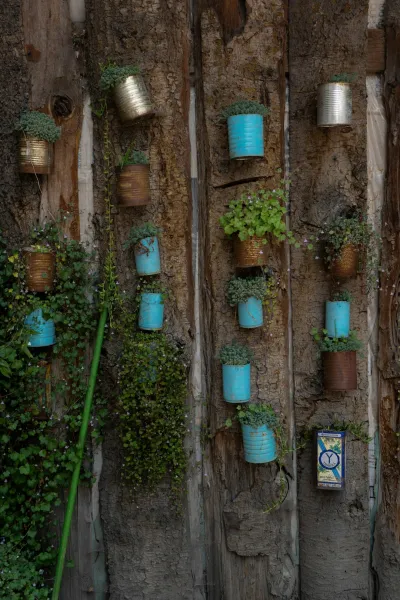
Creating a vertical succulent garden using repurposed wooden pallets and mason jars is not only an environmentally friendly project but also a stylish way to enhance your outdoor or indoor space. With the rise of urban gardening, it is less common to find large spaces for traditional gardening, which is where vertical gardens come in. By utilizing available space, you can create a stunning visual display that breathes life into your surroundings.
Why This Project?
There are several reasons to engage in this DIY project. Firstly, succulents are low-maintenance plants that thrive in various conditions. This makes them ideal for beginners who may not have a green thumb. Succulents come in a delightful variety of shapes, colors, and sizes, allowing you to customize your vertical garden to suit your personal taste and style.
Furthermore, repurposing wooden pallets reduces waste and is an excellent way to be eco-friendly while beautifying your home. Pallets are often discarded, so transforming them into a beautiful garden not only gives these items a new life but also contributes to sustainable living. Mason jars add a touch of rustic charm and versatility to your garden, allowing you to create multiple designs based on your space.
Benefits of This Project
- Space Efficiency: Vertical gardens make the most out of small spaces and can fit into apartments, balconies, or small backyards.
- Air Quality Improvement: Plants naturally purify air by absorbing carbon dioxide and releasing oxygen, promoting healthier indoor and outdoor spaces.
- Aesthetics: A vertical garden is not just functional but also incredibly appealing, making it an attractive feature for your home.
- Therapeutic Value: Gardening has been shown to reduce stress and improve mental clarity, making this project more than just an aesthetic choice.
Skill Level
This project is rated as beginner-friendly. While some basic woodworking skills are beneficial for constructing your vertical garden, it's easily manageable with careful planning and execution. Perfect for a weekend project, creating this vertical succulent garden will leave you proud of your work.
Tools Needed
1. Drill and Drill Bits: To create holes for the mason jars and secure the pallets together. 2. Saw: A hand saw or circular saw for cutting the pallet to the desired size. 3. Measuring Tape: Essential for accurately measuring dimensions before cutting. 4. Sandpaper: To smooth rough edges on the wooden pallets. 5. Stapler or Heavy-Duty Staples: Useful for securing landscaping fabric to the back of the pallet. 6. Paint Brush or Roller: For applying wood sealant or paint if desired, adding a protective coat to the wood. 7. Level: To ensure the pallet is hung straight on the wall. 8. Safety Gear: Safety goggles and gloves to protect your eyes and hands during construction.
Materials
- Wooden Pallet: 1 (standard size)
- Mason Jars: 8-10 (for planting succulents)
- Potting Soil: 1 bag (preferably a cactus mix for optimal drainage)
- Landscaping Fabric: 1 yard (to line the back of the pallet)
- Wood Sealant or Exterior Paint: 1 can (optional, for weatherproofing)
- Screws: 10-15 (for securing the pallet if hanging)
- Wire or Twine: 1 spool (for attaching mason jars to the pallet)
- Succulent Plants: 8-10 (mix of your favorite varieties)
- Hanging Hardware: 1 set (if you plan on mounting the pallet on a wall)
- Optional Decorations: Rocks or gravel for aesthetics.
Step-by-Step Instructions
### 1. Choose and Prepare Your Pallet
Start by selecting a sturdy wooden pallet that is free from mold and damage. Check for any loose or splintered wood, as these can cause injury later. If needed, sand down rough edges and thoroughly clean the pallet to remove any dirt or debris. If you want a more polished look, consider applying a wood sealant or exterior paint. This step is crucial, as it will protect your garden from the elements and extend the life of the pallet.
### 2. Measure and Cut the Pallet (if necessary)
Using a measuring tape, determine how you want your vertical garden to fit into your space. If the pallet is too large, you may need to cut it to size with a saw. Measure twice, cut once—take your time to ensure accuracy. For a custom fit, you can even create sections in the pallet where the mason jars will sit. Once cut, sand any rough edges again to prevent splinters.
### 3. Line the Back of the Pallet
To prevent soil from spilling out and to remain free from pests, line the back of the pallet with landscaping fabric. Cut a piece large enough to cover the back and staple it in place using a staple gun. This step will also aid in water retention, ensuring that your plants get the moisture they need, while still allowing for proper drainage.
### 4. Secure Your Hanging Method
If you plan to hang your vertical garden, now is the time to secure your hanging hardware. There are multiple options for hanging, including brackets or wire. Ensure to use screws or hooks that are strong enough to hold the weight of the pallet, especially when it’s filled with soil and plants. Make sure that your installation is level using a level tool.
### 5. Prepare Mason Jars
Thoroughly clean your mason jars and ensure they are free from labels and residue. In each jar, add a layer of gravel or small rocks to the bottom for drainage, followed by your potting soil. Aim for a well-draining mix, as succulents do not like to sit in excess water. Follow with placing your chosen succulent plants inside each jar and filling in around them with more soil to hold them securely in place.
### 6. Secure Jars to the Pallet
Determine the placement of each jar on your pallet. Secure the jars using screws, or you can use wire or twine to wrap around the jars and attach them to the pallet. Make sure to leave some space between jars for plants to grow. Use safety goggles and gloves during this step to prevent injury.
### 7. Water and Arrange Your Vertical Garden
Once all jars are secure, place the pallet in its intended location, making sure it’s stable. Water the plants lightly and allow for proper drainage. If you used a wood sealant or paint, wait at least 24 hours before watering the garden to ensure everything dries and cures properly. At this stage, you can also adjust the arrangement of the jars if necessary.
### 8. Add Finishing Touches
To personalize your vertical garden, consider adding decorative items like stones or small figurines around the base. You can also use colored twine or ribbons to give it a more personal touch. This is where your creativity can shine, allowing you to express your personality through your garden.
### 9. Place Finally in the Desired Location
Choose the final spot for your vertical garden. Make sure whatever surface you choose can support the weight of the garden. If placing near a wall, ensure that the area receives adequate light, as succulents thrive on sunlight. Ideally, aim for 6 hours of sunlight daily.
### 10. Maintenance Routine
Establish a care routine for your succulent garden. Water sparingly; succulents usually prefer dry conditions. Fertilize during the growing season, and check for pests or diseases regularly. If you notice any dead or unhealthy leaves, prune them promptly to keep your garden looking fresh.
Troubleshooting
1. Overwatering: Overwatering is one of the most common issues when caring for succulents. To fix this, make sure the bottom of the mason jars has adequate drainage using gravel. If the succulents are soft or mushy, remove them from their jar, let them dry out and repot them in fresh, dry soil.
2. Leggy Succulents: If your succulents seem tall and leggy, it means they are not getting enough light. Move the vertical garden to a sunnier location or consider rotating the jars to ensure all plants get equal sunlight exposure.
3. Soil Sinking: Over time, the soil in your mason jars may sink due to watering, making your plants unstable. Gently top off each jar with fresh soil to keep your plants sturdy and well-supported.
4. Pests: Keep an eye out for pests like mealybugs or aphids. If you notice any, remove them gently with a cotton swab dipped in alcohol. Regularly inspect your garden for signs of infestation, especially during warmer months.
5. Dying Succulents: If your succulents start to wilt or turn brown, check your watering habits. The plant might be either over-watered or under-watered. Adjust your watering schedule accordingly—succulents thrive with little water.
Conclusion
Creating a vertical succulent garden using repurposed wooden pallets and mason jars is a customizable and rewarding project. It allows you to engage with nature while beautifying your home and reducing waste. Remember to adjust your maintenance routine as necessary based on your plants' needs, and don’t hesitate to make your garden reflect your personality.
Consider experimenting with varieties of plants and decorative elements to keep the design fresh and engaging. Each jar can tell a story, making your vertical garden a living piece of art that recycles materials while providing a tranquil escape in your own home.