How to create a vertical herb garden using repurposed pallets and mason jars
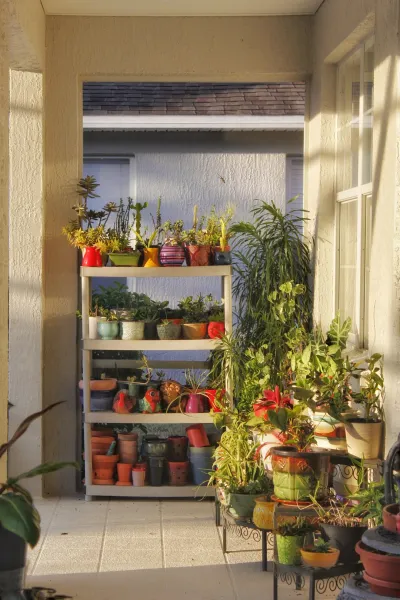
Intro
Creating a vertical herb garden using repurposed pallets and mason jars is an incredibly fulfilling project that not only beautifies your space but also provides you with fresh herbs right at your fingertips. In today’s fast-paced lifestyle, the desire for home-grown produce is greater than ever, and having a DIY herb garden is a fabulous way to get started. From culinary delights like basil and thyme to medicinal plants like peppermint and oregano, a vertical herb garden is an efficient way to cultivate a variety of plants while saving space and resources.
By choosing to utilize repurposed pallets, you are contributing to sustainability efforts, promoting a greener planet. This project is perfect for those who may not have large outdoor spaces. It embodies the spirit of ingenuity and creativity by transforming something as simple as a wood pallet into an aesthetically pleasing vertical garden. Additionally, planting herbs in mason jars allows for easy accessibility and care, with the charming aesthetic serving as a lovely decorative element.
Skill Level: This project is beginner-friendly. While some woodworking skills may come in handy, the overall construction is straightforward, making it a perfect entryway into gardening and DIY projects. You’ll not only learn about herb gardening but also about recycling and crafting, engaging multiple skills along the way.
In this guide, I will walk you through the entire process of creating your own vertical herb garden, ensuring that you have a rewarding experience from start to finish.
Tools Needed
1. Screwdriver - Essential for assembling the pallet and securing mason jars to the wood.
2. Drill - Helps in creating holes for screws and, if necessary, drainage in the jars.
3. Saw - Used for cutting the pallet to your desired size or creating stands.
4. Level - Ensures that your vertical garden is hung or placed evenly, preventing it from tilting or falling.
5. Sandpaper - Smooths any rough edges on the pallet to prevent splinters and ensure the aesthetic appeal.
6. Measuring Tape - Helps in accurate measurements, ensuring that jars and plants fit well within the designated areas.
7. Paintbrush/Roller (Optional) - If you intend to paint or stain your pallet, this tool is necessary for an even finish.
8. Garden Trowel - Handy for transplanting your herbs into the mason jars from other containers or starter pots.
Materials
1. Wood Pallet - 1 standard-sized pallet.
2. Mason Jars - 6-8 mason jars (size depending on your choice of herbs).
3. Potting Soil - 1 bag (around 10-15 quarts).
4. Herb Seeds/Plants - 6-8 varieties of your choice (consider basil, mint, rosemary, etc.).
5. Wood Screws - 1 box (1.5 inches for securing jars).
6. Wire or String - Optional for hanging the garden if you choose not to mount it on a wall.
7. Wood Stain/Paint (Optional) - 1 can for aesthetics and protection from the elements.
8. Hanging Hooks (Optional) - If you want to hang the pallet instead of mounting it on the wall.
9. Plastic Sheeting or Landscape Fabric (Optional) - For lining the mason jars to retain soil without allowing water to leak through.
10. Masking Tape (Optional) - For marking areas on the pallet.
Steps to Create Your Vertical Herb Garden
### Step 1: Gather Your Materials
What: Begin by collecting all the tools and materials needed for your herb garden.
How: Choose the right wood pallet that is free of cracks and splinter. If you’re unsure about the wood’s safety, it’s advised to check for stamps indicating it’s safe for use. Choose your mason jars based on the herbs you want to grow.
Tips: Clean the mason jars properly to prevent any contamination. You can customize your jars through decoration, such as painting or labeling.
Safety: When handling tools and pallets, wear gloves to protect your hands from splinters and potential nicks from tools.
### Step 2: Prepare the Pallet
What: Start with the pallet preparation, as this step sets the foundation for your vertical garden.
How: Use sandpaper to smooth out rough spots on the pallet. If you plan to paint or stain your pallet for aesthetics or protection, do this now. Allow it to dry thoroughly.
Tips: Consider using outdoor-safe paint or stain if your garden will be exposed to elements, which helps prolong the life of your pallet.
Safety: Ensure good ventilation while working with paint or stains to avoid inhalation of fumes.
### Step 3: Plan Your Layout
What: Create a layout for positioning the mason jars on the pallet.
How: Measure and mark areas on the pallet where you intend to attach the jars. Typically, jars should be spaced evenly to ensure enough light and air reaches each plant.
Tips: A staggered arrangement can create a more visually appealing layout as well as ensure that taller herbs don’t shade shorter ones.
Safety: Be diligent with your measurements, as misalignment can lead to unstable jars.
### Step 4: Drill Holes for the Jars
What: Prepare the mason jars for attachment to the pallet.
How: Choose to either drill into the wood pallet or into the jars themselves. You may want to drill holes into the jars if draining is needed and you prefer this method.
Tips: If you are drilling into jars, go slow and use a specific glass drill bit. Make sure to smooth the edges afterward.
Safety: Use eye protection while drilling, in case of splinters or glass shards.
### Step 5: Attach the Jars to the Pallet
What: Comes the assembly stage where jars meet the pallet.
How: Using wood screws, attach the mason jars to the marked areas on the pallet. Make sure they’re fastened securely to prevent falling.
Tips: Hold each jar upright while securing to ensure they are in their correct position, allowing for easy access later.
Safety: Tighten screws securely but avoid overtightening to prevent cracking the jars.
### Step 6: Fill Jars with Soil
What: It’s time for planting — fill the mason jars with potting soil.
How: Carefully layer the potting soil in each jar, leaving about an inch of space from the top. This is crucial to allow watering without spilling over.
Tips: Mix in some perlite or vermiculite into the soil for better drainage and air circulation.
Safety: Avoid overfilling jars as loose soil can easily spill while being mounted or hung.
### Step 7: Plant the Herbs
What: Now, it’s time to bring your herb garden to life by planting your chosen herbs.
How: Plant seeds or starter plants into the prepared soil as directed on the seed packet or plant tag. Lightly pack soil around the plants and water gently.
Tips: Ensure you choose herbs with similar water and light needs to maximize growth.
Safety: Use gloves if your herbs might irritate your skin, and take care not to overcrowd the jars.
### Step 8: Position Your Vertical Garden
What: The final assembly is placing your herb garden in a suitable location.
How: Depending on your design, you can either mount the pallet on a wall, hang it with wire/string, or place it upright. Make sure it’s secure.
Tips: Choose a location with plenty of light, as herbs typically thrive in bright, indirect sunlight.
Safety: If mounting, ensure you drill into a solid structure and use heavy-duty anchors for stability.
### Step 9: Water and Maintain
What: After planting, regular maintenance becomes essential for your herb garden.
How: Water your herbs as needed, keeping soil moist but not saturated. Fertilizing every few weeks can help herbs grow stronger.
Tips: Use a spray bottle for easy watering and to prevent soil from washing away.
Safety: Monitor plants for pests and diseases regularly, moving them if necessary for better airflow.
### Step 10: Harvest Your Herbs
What: Finally, enjoy the fruits of your labor by harvesting your herbs.
How: Use a pair of scissors or shears to snip off the leaves. It’s best to harvest herbs in the morning when oils are most concentrated.
Tips: Regular harvesting encourages growth, so keep your herb garden trimmed and tidy.
Safety: Ensure you have sharp shears for clean cuts, reducing stress on the plants.
Troubleshooting
1. Problem: Less Growth or Browning Leaves Fix: Ensure your herbs are getting enough light. If positioned too far from a window or in a dark space, they may not thrive. Consider rearranging for better light access.
2. Problem: Soil is Too Moist or Dry Fix: Adjust your watering routine. Ensure you're watering properly, and if there's too much moisture, consider adding more drainage material or reducing your watering frequency.
3. Problem: Pests on Plants Fix: Remove any affected leaves and consider using organic insecticidal soap. Keep the garden clean and monitor closely to prevent infestations.
4. Problem: Jars Are Leaking or Not Draining Fix: If jars lack drainage holes, consider repotting your herbs into other containers or drilling small holes for drainage to provide a healthier environment for your herbs.
5. Problem: Wilting or Dying Plants Fix: Check water levels, light exposure, and ensure that none of the plants are overcrowded. Removing dead foliage can help make room for new growth.
Conclusion
Creating a vertical herb garden using repurposed pallets and mason jars not only allows you to grow fresh herbs in a compact space but also serves as a fantastic conversation piece. This DIY project is not just about gardening; it's about sustainability, creativity, and wellness. Once established, your vertical herb garden will require minimal maintenance and can thrive with a little love, water, and light.
Variations: Consider painting the jars or using different types of containers if you want a unique look. You can even incorporate additional features like small lights for an added decor element at night.
Maintenance: As seasons change, continue to monitor the needs of your herbs. Rotate crops as necessary and remember to enjoy the fruits of your labor in your culinary adventures!