How to create a vertical garden using repurposed shipping pallets and drip irrigation
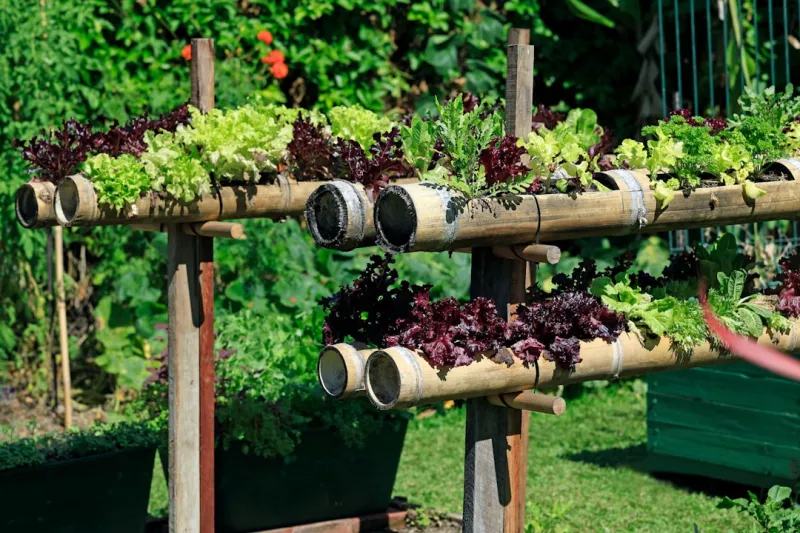
Creating a vertical garden is not only an innovative way to utilize limited space in our homes but also a rewarding, environmentally-friendly project. Utilizing repurposed shipping pallets adds an element of sustainability to the endeavor, allowing you to give new life to materials that would otherwise contribute to waste. With the added benefit of drip irrigation, maintaining a vertical garden becomes significantly easier, ensuring that your plants receive the right amount of water while conserving resources.
Why This Project?
In urban environments, space for traditional gardening is often limited. This makes vertical gardens an excellent alternative, allowing you to cultivate herbs, vegetables, and flowers while utilizing both horizontal and vertical spaces. A vertical garden can boost the aesthetic appeal of your home or outdoor area, transforming bare walls into vibrant living installations. Plus, the benefits extend beyond beauty: they can improve air quality, provide fresh produce, and even enhance your mental well-being.
Skill Level: This project is beginner-friendly, requiring no advanced gardening techniques or woodworking skills. While some tools and techniques are involved, they are straightforward enough for anyone willing to follow instructions and experiment.
Tools Needed
1. Drill and Drill Bits: Essential for creating holes in the pallets for drainage and irrigation lines. Ensure you have bits suitable for wood. 2. Saw (Hand or Power): Used to cut the pallets to the desired sizes. A hand saw can work, but a circular or reciprocating saw can save time. 3. Stapler (Heavy-Duty): Necessary for securing landscape fabric to the pallet, which helps retain soil while allowing water drainage. 4. Level: Ensures that your vertical garden is even and stable. This is crucial for both aesthetics and effective water drainage. 5. Measuring Tape: For accurately measuring dimensions and aligning your pallets correctly during assembly. 6. PVC Pipe or Tubing: Used as part of the drip irrigation system, making it easy to direct water precisely where it’s needed. 7. Garden Hose: Select a piece long enough to connect to your PVC system and reach your water source efficiently. 8. Protective Gloves: To protect your hands while handling wood and planting, ensuring safety and cleanliness.
Materials
1. Shipping Pallets (2-3, depending on size): Repurposed wood for the vertical planter structure. 2. Landscape Fabric (1-2 rolls): To line the pallets and keep the soil intact while letting water through. 3. Wood Screws (1 box): For securing the pallets and any additional structure you may need. 4. Soil (2-3 bags, depending on size): A top-quality potting mix will ensure your plants thrive. 5. Plants or Seeds (Variety): Choose herbs, vegetables, or flowers according to your preference and climate conditions. 6. Drip Irrigation Kit (1 set): Includes tubing, emitters, and connectors for the watering system. 7. Paint or Wood Stain (Optional): For finishing the pallets to make them visually appealing and protect them from the elements. 8. Mulch (1-2 bags): To cover the top soil and retain moisture while keeping weeds at bay. 9. Wooden Brackets (4-8): For extra support to secure your vertical garden against a wall.
Step 1: Choosing the Right Pallets
What: Start by sourcing shipping pallets. Look for ones that are in good condition, without chemical treatments.
How: Check for the “HT” stamp, indicating that the pallets have been heat-treated and are safe for gardening. Avoid pallets with the “MB” stamp, as they may contain harmful chemicals. Seek local businesses for free or inexpensive pallets, or explore online marketplaces.
Tips: Ensure that the pallets are sturdy and free of rot or damage.
Safety: Wear gloves when inspecting the pallets to prevent splinters.
Step 2: Preparing the Pallets
What: Clean and prepare the pallets for planting.
How: Use a power washer or a stiff brush to clean the wood thoroughly. This removes dirt, debris, and any residual chemicals. Once clean, let the pallets dry completely.
Tips: Inspect for protruding nails or rough edges and hammer them down or pull them out. Sand where necessary to prevent splinters.
Safety: Be cautious with sharp tools and splintered wood.
Step 3: Adding Landscape Fabric
What: Line the pallets with landscape fabric to hold soil while allowing drainage.
How: Cut enough fabric to cover the back and inside walls of the pallets. Use the heavy-duty stapler to secure it into place.
Tips: Leave an overhang of fabric at the top, which will help to keep the soil from spilling out. Make sure the fabric covers all openings.
Safety: Take care when using the stapler to avoid pinching fingers.
Step 4: Installing the Drip Irrigation System
What: Set up a drip irrigation system.
How: Use the PVC pipe to create a main water line at the top of the pallet arrangement. Drill small holes along the pipe to connect the emitters, directing water to each plant.
Tips: Consider using a timer to control watering schedules, especially beneficial if you’re unable to water daily. Make sure emitters are properly positioned and tested for leaks.
Safety: Always ensure that any power tools are handled with care and that hoses are stored neatly to avoid tripping hazards.
Step 5: Cutting and Assembling the Pallets
What: Cut the pallets to the size you’ll be using for your vertical garden.
How: Using the measuring tape, determine how tall or wide you want your garden. Cut to size using your saw.
Tips: Assemble your pallets in a staggered manner to maximize space and aesthetic appeal.
Safety: Wear protective eyewear when using saws.
Step 6: Securing the Structure
What: Build your vertical garden by securing the pallets to the wall or other support structures.
How: Use wooden brackets to hold the pallets against the wall. You can also stack them on top of one another safely for an added vertical effect.
Tips: Ensure your structure is level before fastening. This will help with even watering distribution.
Safety: If you are lifting heavy pallets, use proper lifting techniques to avoid injuries.
Step 7: Adding Soil and Plants
What: Fill the lined pallets with soil and plant your desired vegetation.
How: Carefully fill each section with potting soil, leaving enough space for the plants or seeds.
Tips: Consider the sunlight each plant needs when positioning them within the pallets. Place larger plants at the bottom and smaller ones at the top for visibility.
Safety: Use gloves when handling soil and plants to maintain hygiene.
Step 8: Implementing Watering Schedule
What: Set a consistent watering schedule using your drip irrigation setup.
How: Depending on the plants used, adjust the emitters or timer to deliver the right amount of water. Monitor the moisture levels in the soil.
Tips: Observe how your plants react to the watering schedule and adjust accordingly.
Safety: Ensure the hoses from the water source are safely routed to avoid tripping.
Troubleshooting
Common Issues and Fixes:
1. Waterlogging: If water is pooling at the bottom, check the drainage holes in the pallets. Ensure they are clear and possibly create additional holes.
2. Plants Wilting: If plants are wilting, this may indicate under-watering. Check your drip system for clogs and adjust the watering schedule to fit your plants' needs.
3. Pallets Rotting: To prevent rotting, ensure that your pallets are on a solid surface away from constant moisture. Regularly check for signs of wear.
4. Too Many Weeds: If weeds are sprouting, cover the soil's surface with mulch. This will help suppress weed growth while retaining moisture.
5. Pests: If you notice signs of pests on your plants, consider using organic pest control methods like neem oil or insecticidal soap.
Conclusion
Creating a vertical garden using repurposed shipping pallets and a drip irrigation system combines creativity, sustainability, and beauty. This project not only enhances your living space but also provides fresh herbs and vegetables right at your fingertips. As you become comfortable with your creation, consider variations such as adding shelves for pots or using different types of pallets.
Routine maintenance will involve monitoring moisture levels, removing weeds, and occasionally refreshing the soil.
With a bit of perseverance, your vertical garden will thrive and become a point of pride in your home.