How to create a vertical garden with repurposed plastic bottles for small spaces
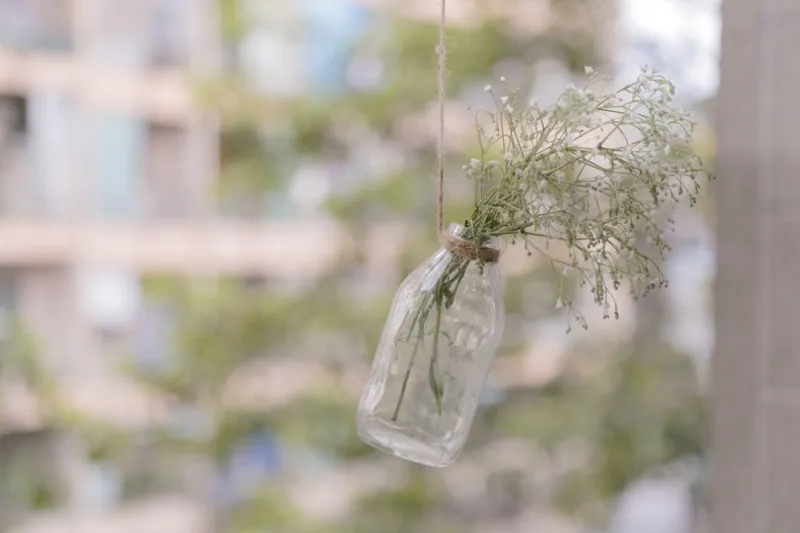
Creating a vertical garden with repurposed plastic bottles is an excellent way to harness your green thumb while promoting sustainability in your home. Vertical gardens enable you to grow plants in limited spaces, making them perfect for urban dwellings that lack expansive outdoor areas. This project appeals to beginners and seasoned gardeners alike due to its practicality and imaginative use of materials. By transforming plastic waste into a lush garden, you’re also making an environmental statement and reducing landfill burden.
This DIY project is not just about aesthetics; it offers a multitude of benefits. Firstly, vertical gardens can enhance air quality by filtering toxins present in indoor environments. Furthermore, they can be an effective method for growing herbs, vegetables, and beautiful ornamental plants, irrespective of the space constraints. You’ll also find that growing plants vertically can save time and energy usually spent on weeding or pest control.
In terms of skill level, this project is ideal for beginners. You don’t need advanced gardening techniques, complex tools, or a vast knowledge of horticulture. All you need are some household tools, creativity, and willingness to learn. There’s a personal satisfaction that comes from seeing your garden flourish, and you’ll take pride in knowing that you’ve transformed something that would otherwise contribute to waste into a beautiful and functional space.
Tools Needed
1. Scissors or Utility Knife: Essential for cutting the plastic bottles into the desired shapes. A utility knife provides cleaner cuts but requires careful handling.
2. Drill or Hammer and Nails: Needed for creating drainage holes or attaching the bottles to the supporting structure. A drill is faster, but a hammer and nails can work for those without a drill.
3. Ruler or Measuring Tape: Helpful for maintaining uniformity in the size of your cuts and ensuring the bottles are spaced evenly.
4. Paintbrush or Sponge: Useful for applying a protective sealant if you choose to decorate your bottles or modify them for aesthetics.
5. String or Wire: Necessary for hanging your vertical garden setup, especially if using a trellis or wall-mounted structure.
6. Level: Ensures your vertical garden is straight during assembly; you don’t want a lopsided garden!
7. Soil Knife or Trowel: Great for transferring soil into your bottles and mixing in fertilizers or additives.
8. Protective Wear (Gloves, Goggles): Safety first! Always wear gloves when dealing with sharp edges or power tools, and goggles if you’re drilling.
Materials
1. Plastic Bottles (10-12): 1.5 L or 2 L soft drink bottles are preferable due to their size.
2. Potting Soil (2-3 bags, approx. 2 cu ft): Specialized potting soil is crucial for optimal plant growth and drainage.
3. Plants or Seeds (5-10 depending on variety): Choose lightweight, small plants ideal for vertical gardens (herbs like basil and ornamental plants such as ferns work well).
4. Nails or Screws (50 pcs): These will secure the bottles to the wall or a wooden structure.
5. Wooden Pallet or Wooden Board (1): A base frame for stability and to support the bottles.
6. Watering Can: Essential for watering your plants once the garden is installed.
7. Sealant or Paint (optional): If you wish to decorate your bottles or protect them from the elements.
8. Hanging Basket Hooks or Brackets (4-6): For securing your vertical garden to the wall or outdoor structures.
9. Plastic Mesh or Fabric (optional): For added drainage or to hold soil in place in smaller bottle openings.
Steps to Create Your Vertical Garden
Step 1: Gather Your Materials and Tools
Before you dive into creating your vertical garden, ensure you have all necessary materials and tools at hand. Why is this essential? Preparation helps streamline the process, decreases frustration, and allows for a focused crafting environment. Lay everything out neatly in an open space with good lighting. Double-check your plants and soil are suitable for the amount of sunlight your garden will receive.
Tip: If you plan to create a decorative version of your garden, consider how you might paint or modify your bottles before assembly.
Step 2: Prepare the Plastic Bottles
Using your scissors or utility knife, carefully cut each bottle in half. For a standard 1.5-liter bottle, cut about two-thirds of the way down. This creates a container that can hold soil and plants, with a rim to retain them. Make sure to leave enough height for planting; usually, a few inches above the cut line is ideal.
Safety Tip: Always cut away from your body and keep fingers clear of the blade.
Step 3: Make Drainage Holes
Using a drill or hammer and nails, create small drainage holes at the bottom of each bottle. This is vital for preventing overwatering, which can lead to root rot. Ideally, make 3–4 holes per bottle, spaced evenly across the bottom.
Tip: If you are unsure about making holes, you can fill the bottom part of the bottle with small stones for drainage.
Step 4: Assemble the Wooden Structure
If you’re using a wooden pallet or board, position it vertically against a wall or solid surface. Secure it using nails or screws for stability. Make sure your structure is strong enough to hold the weight of the bottles with soil and plants.
Tip: A sturdy piece of plywood can serve as an excellent foundation for multi-tier vertical gardens.
Step 5: Secure the Bottles
Begin hanging the cut bottles vertically. Use nails or screws to secure them to the wooden frame at an angle, ensuring that they are set close together without overlapping. It's essential to maintain harmony and stability in your design while allowing access for watering and tending the plants later.
Tip: Start from the bottom and work your way up; this will help you see how the water drains down through each layer.
Step 6: Add Potting Soil
With your bottles in place, use your soil knife or trowel to fill each bottle with potting soil. Be generous but leave some room at the top for planting seeds or seedlings. Press the soil down gently to eliminate air pockets.
Tip: Instead of one type of soil, consider mixing in compost or slow-release fertilizer for added nutrients.
Step 7: Plant Vegetables or Flowers
Now comes the fun part! Place your selected plants or seeds into the soil in each bottle. Opt for versatile choices that thrive in small spaces, such as herbs, strawberries, or trailing vines. If planting seeds, follow packet instructions on depth and spacing.
Tip: Consider companion planting like pairing basil with tomatoes to optimize growth.
Step 8: Water and Maintain
Initially, water your new vertical garden thoroughly but gradually reduce watering as the plants establish roots. Use the watering can to avoid over-saturating the soil, as the bottles are designed for drainage. Monitor moisture levels, and top-dress with more soil or fertilizers as needed.
Tip: Employ a drip irrigation system for a low-maintenance approach once your plants are well-established.
Step 9: Provide Support and Light
Ensure that your vertical garden receives adequate light, ideally 6-8 hours of direct sunlight if plants require it. If the garden is indoors or in a shaded area, consider adding grow lights. Provide additional structures or trellises for plants that climb.
Tip: Regularly rotate your garden if it's movable for even light exposure.
Step 10: Regularly Check and Prune
As your vertical garden flourishes, keep an eye out for any signs of disease or pests. Dead or spent leaves should be promptly trimmed to encourage new growth and keep the garden looking tidy. Regularly check watering needs and manage growth space and sunlight.
Tip: Keeping a gardening journal can be helpful to track your plants' progress and find the best practices for your growing conditions.
Troubleshooting Common Issues
1. Yellowing Leaves: Often a sign of over or under-watering. Check your soil moisture and ensure your bottles have enough drainage holes.
2. Slow Growth: This could be due to insufficient light or nutrient deficiency. Move your garden to a sunnier location or consider adding a nutrient-rich fertilizer.
3. Pest Infestation: Check for small creatures or webbing on your plants. Insecticidal soap can help get rid of pests without harming your plants.
4. Mold or Fungus: This usually appears due to excessive moisture. Improve air circulation around your vertical garden and reduce watering rates.
5. Bottles Falling Off: Ensure they are securely mounted. If the weight of the plants is causing them to detach, reinforce with additional screws or re-evaluate the weight distribution of your setup.
Conclusion
Creating a vertical garden with repurposed plastic bottles for small spaces can be a gratifying and eco-friendly project. Through this guide, you’ve learned not only how to build your garden but also how to care for it while dealing with potential challenges. Embrace variations such as different arrangements or plants for diverse aesthetics and utility.
As you maintain your vertical garden, remember to adapt your methods based on plant growth and seasonal changes. This endeavor not only cultivates a thriving floral or edible display but fosters a sense of responsibility for our environment.
So, grab those plastic bottles, gather your tools, and get started on your green endeavor today!