How to create a vertical garden using repurposed plastic bottles and a drip irrigation system
---
Intro: The Joy of Vertical Gardening
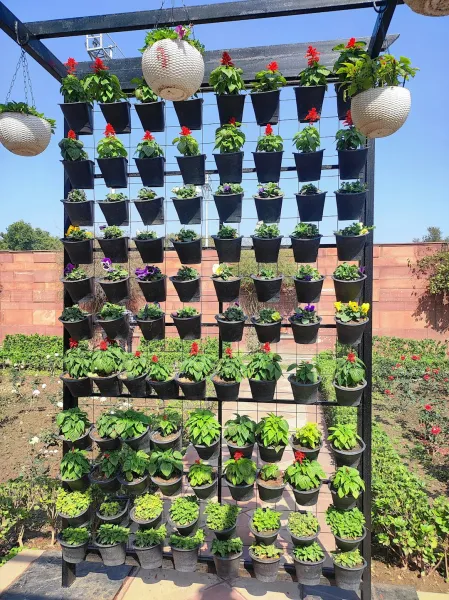
Vertical gardening is more than just a trendy home project; it’s a fantastic way to explore your green thumb, especially if you have limited space available. As urban living becomes more dominant, growing plants in a horizontal plane can be a challenge, making vertical gardens an attractive solution for home gardeners. Creating a vertical garden using repurposed plastic bottles is not only an environmentally friendly choice, but it also provides a practical way to utilize single-use plastics that would otherwise end up in a landfill.
Why This Project?
1. Sustainability: Using plastic bottles helps in reducing waste. By repurposing them, you're making a positive contribution toward a more sustainable environment.
2. Space-efficient: Vertical gardens make the most of limited spaces, allowing you to cultivate herbs, flowers, or even vegetables in a small footprint.
3. Accessibility: This type of garden often makes it easier to maintain and harvest your plants. No more stooping down or bending over!
4. Aesthetics: A vibrant vertical garden can serve as a stunning focal point in your home or backyard, bringing beauty and tranquility into your space.
5. Educational: Working on this project enhances your understanding of gardening and ecology, perfect for kids and adults alike.
This project is rated a beginner to intermediate skill level, meaning even if you have minimal experience, you can still achieve beautiful results with this step-by-step guide.
---
Tools Needed
1. Utility Knife: Essential for cutting plastic bottles to the right height for planting. A sharp utility knife ensures smooth cuts and avoids jagged edges.
2. Drill with Drill Bits: Necessary for creating drainage holes and attaching the drip irrigation system. A power drill speeds up the process significantly.
3. Ruler or Measuring Tape: Important for measuring lengths and spacing accurately. This ensures consistency in your vertical garden.
4. Markers: Used for making marks on the plastic bottles where cuts will be made. This helps keep your cuts straight and planned.
5. Scissors: Handy for minor adjustments and trimming excess materials. They are also useful for cutting small tubing for the drip irrigation system.
6. Gardening Gloves: While not strictly necessary, gloves can protect your hands during the cutting process and when working with soil.
7. Watering Can: Useful for initial watering and topping off the drip irrigation system until it is fully operational.
8. Plant Labels: These help you keep track of what you’re planting, especially when growing multiple types of plants.
---
Materials
1. Plastic Bottles: 6-10 bottles (1.5 or 2-liter size ideal) depending on how tall you want your vertical garden to be.
2. Potting Soil: 1 bag (around 1.5 cubic feet) for planting your herbs or flowers.
3. Fertilizer: 1 small bag of slow-release granules, which will nourish your plants over time.
4. Seeds/Seedlings: 4-8 packets of your favorite herbs or small plants (basil, mint, lettuce, etc.).
5. Twine or Wire: 10-20 feet for attaching the bottles to the vertical frame securely.
6. PVC Pipe: 1 small section (1-2 inches in diameter) for your drip irrigation system.
7. Drip Irrigation Tubing: 10-15 feet to distribute water evenly among the plants.
8. Connectors/Fittings: A handful of elbow connectors and stakes to connect the drip system together.
9. Optional: Decorative Paint: For enhancing the aesthetic appeal of your bottles.
10. Optional: Wall Structure: A wooden pallet or pre-made vertical garden frame can serve as a sturdy base for attaching your bottles.
---
Creating Your Vertical Garden in 8 Steps
### Step 1: Preparation of Bottles
What: Gather and prepare your plastic bottles.
How: Remove any labels and clean the bottles thoroughly. Cut the bottles in half lengthwise. Ensure at least a few inches of the bottom part remain intact to hold the soil.
Tips: Use a utility knife for a cleaner cut but be very careful – always cut away from your body. If you're nervous about cutting, you can also use scissors. Ensure you’ve dried them completely before proceeding.
Safety: Wear gloves to protect your hands from sharp edges after cutting.
### Step 2: Create Drainage and Air Holes
What: Ensuring your plants have good drainage is crucial.
How: Using the drill, create 3-4 small holes in the bottom of each half of the plastic bottle. You can also make a few small holes on the sides for air circulation, as roots need oxygen to thrive.
Tips: Space the holes about an inch apart to allow water to drain without washout and roots to breathe.
Safety: Wear eye protection when using power tools, and ensure the bottle is secured in place while drilling to prevent slipping.
### Step 3: Assemble the Vertical Structure
What: Decide how you will arrange your bottles.
How: You can either build a frame using wood or metal or use a wooden pallet as your base. If you’re using a wall or fence, make sure you can securely attach them.
Tips: Leaving space between bottles allows for light penetration and air movement. Consider staggering the bottles for visual interest.
Safety: Ensure your structure is stable and can support the weight of the bottles when filled with potting soil and plants.
### Step 4: Position the Bottles
What: Attach the cut bottles to your structure.
How: Using twine or wire, hang or zip tie the upper halves of each bottle securely against the vertical structure. The bottom halves will catch the water and soil.
Tips: Use adjustable knots to easily reposition the bottles if necessary before securing them completely.
Safety: Make sure your hands are stable when fastening, as you might be working at height.
### Step 5: Prepare the Drip Irrigation System
What: Setting up irrigation ensures all your plants receive the right amount of water.
How: Cut a piece of PVC pipe and drill small holes at regular intervals. Connect the pipe to the drip lines that will run to each bottle. Ensure the water can flow smoothly from the system into each bottle.
Tips: If using purchased drip tubing, follow the packaging instructions for installation and spacing of drip emitters.
Safety: Handle the drill with caution; keep your fingers away from areas where you are drilling.
### Step 6: Filling Bottles with Soil
What: Fill each bottle with potting soil.
How: Scoop potting soil into the bottom halves of each bottle, packing it gently but firmly enough that it won't fall out when the watering begins. Leave a little space at the top for plants.
Tips: Consider mixing your potting soil with fertilizer at this stage to provide initial nutrients.
Safety: If using soil with any kind of additives (like fertilizer), wear a mask to avoid inhaling any dust particles.
### Step 7: Planting Seeds or Seedlings
What: Time to bring your vertical garden to life!
How: Follow seed packet instructions for the recommended planting depth. For seedlings, ensure their roots fit comfortably in the soil without crowding.
Tips: Popular choices for plastic bottle gardens are herbs and small leafy greens, but feel free to experiment with your favorites.
Safety: Water the plants gently to avoid disturbing the soil or displacing seeds.
### Step 8: Watering and Finalizing the Drip System
What: Activate your drip irrigation and make any necessary adjustments.
How: Initially water your plants by hand toting the watering can. Gradually turn on your drip irrigation system and observe how the water wicks into the soil and ensures even coverage.
Tips: Monitor how long the system runs to see if adjustments are needed for flow rate, replenishing water should be minimal for the type of plants and soil.
Safety: Regularly check your watering system for leaks or blockages to prevent damage to your plants.
---
Troubleshooting Common Issues
1. Plants Wilting: This could be due to either overwatering or underwatering. Check if the soil is too dry or overly soggy. Adjust the drip system accordingly.
2. Drainage Problems: If water pools at the bottom of the bottles, ensure that the drainage holes are not clogged. You may need to widen these holes or introduce gravel at the base of the bottles.
3. Bottle Deformation: Excessive heat from the sun can cause plastic to warp. Painting your bottles with exterior paint can help reduce heat absorption, but ensure you leave drainage holes intact.
4. Mold Growth: Excess moisture can lead to mold on the soil surface. Ensure there is adequate drainage and airflow. If mold does appear, scrape it off and adjust your watering routine.
5. Insect Pests: Keep an eye out for common garden pests. Use organic pest control methods initially, like neem oil or insecticidal soap.
---
Conclusion
Creating a vertical garden using repurposed plastic bottles and a drip irrigation system is a rewarding project that combines sustainability, creativity, and gardening! Not only do you improve your living space with a visually appealing garden, but you also contribute positively to the environment.
Variations:
Feel free to customize your vertical garden to suit your space, style, and preferences. Consider different types of plants, or even integrating additional modular containers to expand the verticality.
Maintenance:
Routine checks on your drip irrigation and regular pruning of your plants will help maintain the beauty of your garden. Don’t forget to remove any dead leaves or stems and replace the soil as needed!
Starting this project opens doors for further exploration into gardening and conservation. Enjoy the process and the beauty it brings!