How to create a self-watering indoor herb garden using upcycled mason jars
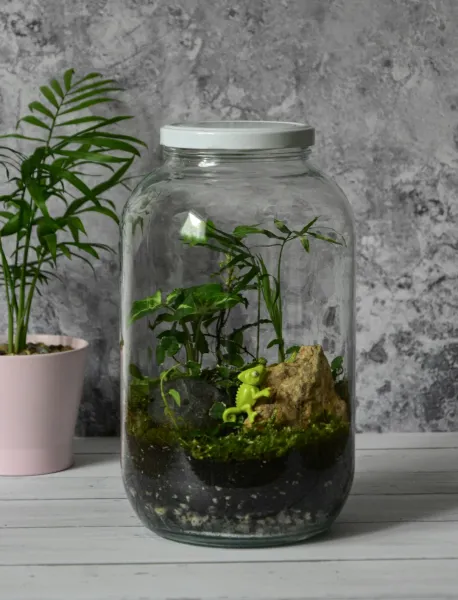
Creating a self-watering indoor herb garden using upcycled mason jars is not just a fun and creative DIY project; it’s an economical way to bring fresh herbs right into your kitchen. Imagine snipping fresh basil for your pasta or snipping mint for refreshing teas and cocktails—all at your fingertips, and all grown with minimal effort. This project combines sustainability and functionality, allowing you to repurpose jars that may otherwise end up in a landfill.
In our increasingly urbanized world, where space is often at a premium, growing herbs indoors provides a multitude of benefits. First and foremost, fresh herbs dramatically enhance the flavor of your meals and invite a burst of greenery into your living space. Plants are known to improve air quality, which can enhance your overall well-being. Engaging in gardening activities is also therapeutic, offering a chance to connect with nature amid your busy life.
The skill level required for this project is beginner-friendly. Even if you're new to gardening or DIY projects, this guide will provide clear, detailed instructions to help you succeed. Plus, there’s satisfaction in nurturing plants and watching them thrive from your efforts.
Let’s dive into the specifics of creating your very own self-watering herb garden using repurposed materials.
Tools Needed
- Drill or Hammer and Nail: To create drainage holes for the reservoir system.
- Screwdriver: For assembling any parts if needed.
- Scissors: To cut the wicking material to the appropriate lengths.
- Measuring Tape or Ruler: Ensures accuracy in sizing your materials.
- Paintbrush (Optional): If you decide to paint your jars for aesthetics.
- Gloves: Protects your hands, especially if you're using soil with additives.
- Mixing Spoon: For mixing potting soil and other components thoroughly.
- Watering Can or Tub: For filling the reservoir setup without making a mess.
Materials
- Mason Jars: 3–5 jars to start, depending on the number of herbs you wish to grow.
- Cotton or Nylon Rope Wicking: About 10 feet total, cut into lengths as needed for each jar.
- Potting Soil: 1-2 bags (typically 10-15 liters) to fill your jars adequately.
- Small Stones or Gravel: 2 cups for drainage and to line the bottom of your jars.
- Activated Charcoal (Optional): 1 cup to neutralize odors and improve soil aeration.
- Sand (Optional): 1 cup to enhance drainage in the soil mix.
- Herb Seeds or Small Seedlings: 3–5 types of your choice—basil, cilantro, parsley, etc.
- Water: As needed to fill the reservoir.
- Labels (Optional): To mark your herbs for easier identification.
- Plastic or Metal Mesh (Optional): Cut to fit the jar's mouth, to hold the soil.
Intro
Imagine the vibrant colors and the intoxicating fragrances of herbs growing right in your kitchen. The sight of fresh greenery can uplift your mood on a dull day, while the joy of snipping an ingredient you grew yourself intensifies your culinary experience. Opting for a self-watering system allows you to enjoy the rewards of gardening without the constant worry of over or under-watering. Upcycling mason jars not only adds a rustic charm to your kitchen but also provides an eco-friendly approach to gardening, which is essential in today’s world.
By using old mason jars, you’re playing a direct role in reducing waste while bolstering your kitchen with greenery. This project perfectly balances creativity, sustainability, and functionality. Whether you live in a small apartment with a limited outdoor space or simply wish to add some green to your interior, this self-watering herb garden will meet your needs and contribute positively to your living environment.
Beginners will find this project straightforward; detailed instructions will guide you through each step. So let’s grab our materials and tools and embark on this rewarding journey!
Steps
1. Prepare Your Mason Jars
The first step is to collect your mason jars and prepare them for planting. Begin by cleaning them thoroughly with soap and water to remove any residues or contaminants. If your jars have labels, ensure these are completely removed as they can retain moisture and hinder the grassroots.
Tip: If you notice any stubborn stickers, soaking the jars in warm water for a while will make it easier to peel them off. After washing, ensure that the jars are completely dry to avoid any mold growth later on.
Safety: Use gloves or protective eyewear if needed—especially if you're using a drill.
2. Create the Water Reservoir
Using your drill or hammer and a nail, create a small hole (about the size of a quarter) in the center of the jar lid. This hole will ultimately serve as the point through which the watering wicks will draw moisture.
Tip: Don’t create holes that are too large, as this might compromise the seal of the jar. Additionally, if you’re using steel lids, be cautious with sharp edges after making holes.
Safety: Ensure that you’re working on a stable surface and that your hands and fingers are secured away from any sharp drill bits or nails.
3. Cut the Wick Material
Next, you'll need to prepare the wicking material. Cut lengths of the cotton or nylon rope to about 12–15 inches. Make sure you have one wicking line for each jar.
Tip: Test out different materials if you have them handy. Natural fibers often wick better than synthetic materials. Feel free to shorten or lengthen the wicks as you see fit.
Safety: When using scissors, cut away from your body, and ensure you have a steady grip on the material.
4. Add Drainage Stones
Before adding soil, layer the bottom of each mason jar with about an inch or two of small stones or gravel. This will aid in preventing root rot by facilitating proper drainage while allowing excess water to collect at the bottom.
Tip: You can use a variety of stones—river rocks or decorative pebbles both work well. The goal is to create a barrier that separates the soil from the water reservoir.
Safety: Handle stones with care to avoid injury while positioning them in the jars.
5. Prepare the Soil Mix
For optimal growth, mix your potting soil with optional ingredients like activated charcoal and sand, which will improve drainage and aeration. Use your mixing spoon to combine them thoroughly in a separate bowl or mixing tub, ensuring even distribution.
Tip: If you’re using activated charcoal, a handful per jar will suffice; it not only improves soil quality but minimizes odors.
Safety: Be wary of allergens; if you're sensitive to dust, consider wearing a mask during this step.
6. Insert the Wick
Now, it’s time to install the wick. Feed one end of the cut rope through the hole you made in the jar lid. Let it hang down into the jar while securing the lid tightly on the jar. The wick will act like a straw, drawing water up from the reservoir into the soil while keeping it moist.
Tip: Leave enough slack in the wick so that it can freely absorb water without getting kinked or overloaded.
Safety: Again, be cautious with any sharp edges on the lids and ensure everything is held securely in place.
7. Add Soil to the Jar
Fill the jar with the prepared soil mixture, leaving about an inch of space from the top. Gently pat down the soil to eliminate air pockets, making sure that the wick is buried at least an inch deep to allow proper wicking.
Tip: Layering the soil can help you manage different herb types; place heavier soils towards the bottom for stable root systems.
Safety: If you're working with flowers or planting materials that are new or unfamiliar, research beforehand to ensure you’re not handling anything hazardous.
8. Plant Your Herbs
Next, it’s time to plant your herbs! If you’re using seeds, follow the specific instructions for each type, generally burying seeds about twice their diameter deep. For seedlings, create a hole large enough for the roots and bury them gently.
Tip: Do not overcrowd the jars; you want room for air circulation and mature growth. Depending on the variety, consider one to three plants per jar.
Safety: Ensure that your working area is clean to avoid contamination—this includes keeping pets away from the area while planting.
9. Fill the Reservoir with Water
Once your plants are securely placed in the soil, it’s time to add water. Pour water carefully into the jar’s reservoir area (the base). Fill until the stones are submerged but the soil itself remains dry.
Tip: Check the wick’s functionality by observing the water level in a few hours. The soil top should be moist but not saturated.
Safety: Ensure you’re not overfilling the jars, as this can lead to spills and messes. Handle jars with care when moving them.
10. Position and Maintain Your Garden
Now that your self-watering herb garden is set up, find a suitable spot in your home. Ideally, you want a space that receives at least 8 hours of sunlight per day, such as a south or west-facing window.
Tip: Rotate your jars every few days to ensure even growth; this prevents plants from leaning toward the light source. Regularly check the water levels in your jars and refresh as needed.
Safety: Keep the jars on a flat surface where they won’t be easily knocked over, as the water-filled jars can be heavy.
Troubleshooting
Even with a thoughtful setup, you might face some challenges. Here are five common issues you may encounter and some tried-and-tested fixes:
1. Wilting or Browning Leaves:
- Fix: This could indicate overwatering or underwatering. Check the water level in the reservoir and the soil's moisture content. Adjust watering accordingly.
- Fix: Mold can occur if the environment is too humid. Ensure your jars have adequate airflow, and reduce overall humidity if necessary. Consider moving the jars to a dryer location with more air circulation.
- Fix: A colored or slimy wick indicates poor quality or algae growth. Replace the wick with a clean piece of cotton or nylon rope, and consider rinsing your jars.
- Fix: If your herbs are not thriving, check the light conditions. If insufficient, rearrange your jars or consider adding grow lights to supplement sunlight.
- Fix: Inspect the herbs regularly. If pests are found, remove them manually or use natural remedies like neem oil.
Conclusion
Transforming mason jars into a self-watering indoor herb garden is not just a creative activity; it opens up avenues for sustainable living and culinary pleasure. With just a few simple materials and steps, you have created a lively green addition to your home that provides fresh herbs at your fingertips.
Variations include using different sizes of jars or adding decorative touches to personalize them. You can also explore growing other plants, such as small flowers or succulents, using similar methods.
Maintenance is straightforward; remember to check the water levels, rotate the jars for even growth, and enjoy the freshness of the herbs you’ve cultivated. This self-watering herb garden is sure to inspire continued gardening adventures!