How to create an eco-friendly vertical garden using repurposed pallets and drip irrigation
Introduction
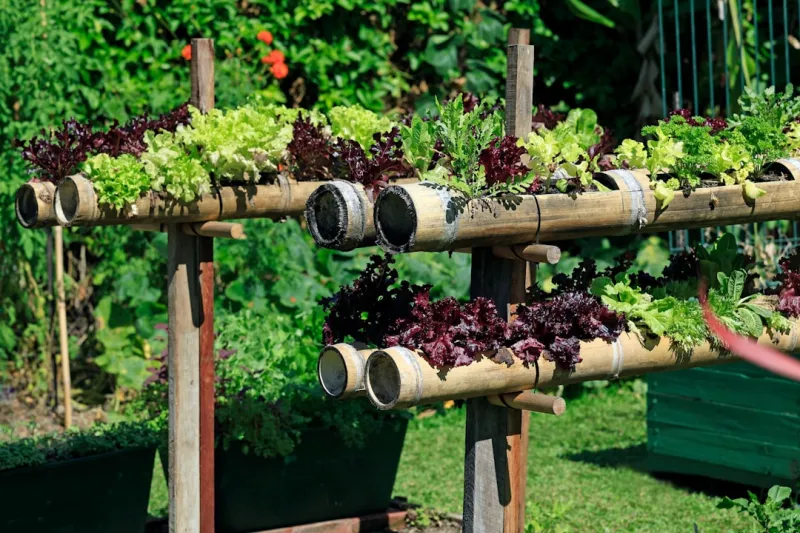
In today’s fast-paced world, urbanization often limits our access to green spaces, making gardening feel like a luxury rather than an attainable lifestyle choice. Creating an eco-friendly vertical garden using repurposed pallets and drip irrigation presents an innovative way to cultivate a fresh green oasis right in your backyard, balcony, or even inside your home. This project embraces sustainability by reusing materials that would typically end up in landfills, while also tackling the issue of limited space for traditional gardens.
Vertical gardening is not only a space-saving solution but also a way to create stunning green walls that enhance air quality and provide a habitat for local wildlife. Moreover, this method encourages the growth of herbs, vegetables, and flowers, offering you fresh produce right at your fingertips. With a robust drip irrigation system, watering becomes a breeze, ensuring your green friends receive just the right amount of moisture without waste.
This project is beginner-friendly and rewards you with the joy of nurturing plants while conserving resources. If you’re eager to start your own eco-friendly vertical garden but don’t know where to begin, you’ve come to the right place. This guide will walk you through the essentials of crafting a vertical garden using repurposed pallets and setting up an efficient drip irrigation system—so let's dig in!
Tools Needed
1. Hammer: Essential for assembling pallets and securing any loose boards. You'll be manipulating wood, and a hammer will help fasten pieces together effectively.
2. Screwdriver: Useful for removing screws or securing components more firmly than nails sometimes allow.
3. Saw: A handsaw or jigsaw will help you cut pallets to the desired size for your vertical garden.
4. Sandpaper: To smooth out rough edges on the pallets, making them safe to handle and more aesthetically pleasing.
5. Drill: A power drill is necessary for creating drainage holes and securing the pallets. It speeds up the process of assembly significantly.
6. Measuring Tape: To ensure accurate cutting and spacing design in your vertical garden.
7. Garden Gloves: Protect your hands from splinters and dirt while you work.
8. Level: Ensures that your vertical garden is straight and properly aligned when mounted.
Materials
- Wooden Pallets: 2-3 standard pallets, depending on your desired height and the size of your garden.
- Landscape Fabric: Approximately 1-2 yards to line the back of the pallet and hold soil in place.
- Potting Soil: About 2-3 cubic feet, enough to fill the planters you'll create within the pallets.
- Seeds/Seedlings: Choose based on your growing climate; select 5-10 varieties of herbs, vegetables, or flowers.
- Drip Irrigation Kit: One complete kit should have plenty of tubing, connectors, and emitters to set up irrigation.
- Hook and Eye Screws: A few packs to secure your drip lines and help attach the landscape fabric.
- Wood Stain or Non-toxic Sealant (optional): To protect your pallets from weather damage if your garden will be placed outdoors.
- Brackets or Heavy-duty Zip Ties: For securing the pallets against a wall or fence if needed.
- Plastic Storage Container or Bucket: For mixing the potting soil and water if you need to prep your soil mix.
Step-by-Step Instructions
Step 1: Choosing the Right Pallets
To begin, you’ll need to find suitable wooden pallets. Look for those that are clean, intact, and free from chemicals. Heat-treated pallets are usually the safest option since they were treated with heat rather than chemicals, and are often marked with an “HT.” Aim to select pallets with no large cracks or broken pieces that might compromise stability or plant health.
Tip: Check local businesses or retailers; many are eager to get rid of pallets. Always ask for permission before taking pallets from any site.
Step 2: Prepping Pallets
Once you've secured your pallets, it’s time to prep them for planting. Use the hammer and screwdriver to dismantle any broken parts and remove any nails or screws sticking out.
Then, use sandpaper to smooth all surfaces, eliminating splinters. This will ensure safe handling while working with your pallets. If desired, apply a wood stain or sealant to enhance resistance against weather and insects, allowing you to prolong the life of your vertical garden.
Safety Tip: Wear gloves to protect your hands, and consider eye protection when removing old screws or nails.
Step 3: Creating the Planters
Now it’s time to create planter pockets within the pallets. You can choose to create individual pockets or more extensive sections to house specific plants.
- Lay the pallet flat horizontally on the ground.
- Use landscape fabric to line the back and bottom of the pallet. This will act like a barrier, holding soil in place while allowing water drainage.
- Secure fabric with hook and eye screws or staples.
- Cut openings in the fabric to match the size of the plant pockets—these should be spaced evenly apart based on what plants you intend to grow.
Step 4: Filling the Planters
Fill the newly created planter pockets with potting soil, ensuring that you have quality soil tailored to the plants you’ve selected.
- Make sure to compost a little if you're growing vegetables, as they thrive in nutrient-rich environments.
- Take care not to overfill to avoid soil spilling out when you move or hang the pallets.
Tip: Use a mixture of potting soil and compost for optimal plant growth.
Step 5: Planting
This is where you bring your garden to life! Select your seeds or seedlings, keeping in mind the growth patterns and spacing needs.
- Plant according to the specific needs of your plants.
- Consider grouping plants by their water and sunlight needs—this will simplify care later on.
- Gently fill in around the plants with more potting soil to ensure they're securely placed.
Step 6: Mounting the Pallets
Next, it’s time to mount your vertical garden. If you are hanging it, prepare your wall or fence where the garden will be installed.
- Use brackets or heavy-duty zip ties to securely fasten the pallet to the wall.
- Ensure the installation is strong as the pallet will get heavier once the plants are watered.
Step 7: Setting Up Drip Irrigation
To ensure your plants thrive, install a drip irrigation system that provides consistent moisture while conserving water.
- Refer to the instructions included with your drip irrigation kit. Install tubing along the top of the pallet, running drops down near each plant pocket.
- Use emitters to regulate the flow of water to individual plants. Adjust as necessary based on the needs of your plants.
Step 8: Watering and Fertilizing
Now that your vertical garden is up and running, incorporate a routine for watering and fertilizing. The drip system will make watering easy, but observe your plants regularly to ensure they’re getting enough moisture.
- Use a water-soluble fertilizer ensuring to follow the package instructions for dilution and absorption.
- Monitor for signs of overwatering (yellowing leaves, soggy soil) or underwatering (wilted leaves).
Step 9: Maintaining Your Vertical Garden
As your garden grows, routine maintenance becomes essential.
- Regularly check for pests or diseases. Use natural remedies when possible, to keep your garden chemical-free.
- Prune dead or overgrown plants to promote healthy growth and airflow.
Step 10: Harvesting and Replanting
As your plants mature, enjoy the fruits of your labor by regularly harvesting fresh herbs and vegetables.
- Remember that many plants can continue to grow if harvested correctly. For instance, herbs should be trimmed above the leaves to ensure a plentiful regrowth.
Troubleshooting
Even seasoned gardeners face challenges. Here are common issues that may arise and how to troubleshoot them:
- Issue: Pallet Rotting:
- Fix: Ensure that the wood stains or sealants are eco-friendly and reapply annually, especially if the pallets are exposed to rain.
- Issue: Over/Under Watering:
- Fix: Monitor the soil moisture and adjust your drip system or watering schedule accordingly. Consider adding a moisture meter for ease.
- Issue: Pests Problems:
- Fix: Regularly inspect plants for pests and use natural insecticidal soap for any infestations.
- Issue: Soil Overflow:
- Fix: Ensure the proper lining with landscape fabric is used correctly to prevent soil spillage. Reinforce any loose areas if necessary.
- Issue: Plant Wilt:
- Fix: Check your watering routine immediately. A sudden wilt may indicate either too much water or not enough. Adjust your irrigation accordingly.
Conclusion
Creating an eco-friendly vertical garden using repurposed pallets and a drip irrigation system provides numerous advantages: it enhances your living space, promotes sustainability, and allows you to grow your own food while protecting the environment. This guide has taken you through each detail—from selecting materials to troubleshooting common issues.
As your confidence grows, consider variations such as coloring your pallets, expanding to larger spaces, or incorporating different plant species. Remember that the maintenance of your vertical garden is key to its longevity (and your enjoyment of it).
By nurturing your vertical garden, you're not just taking a step towards a greener lifestyle but also creating a space of beauty and tranquility. Happy gardening!