How to create a vertical garden using upcycled pallets and drip irrigation system
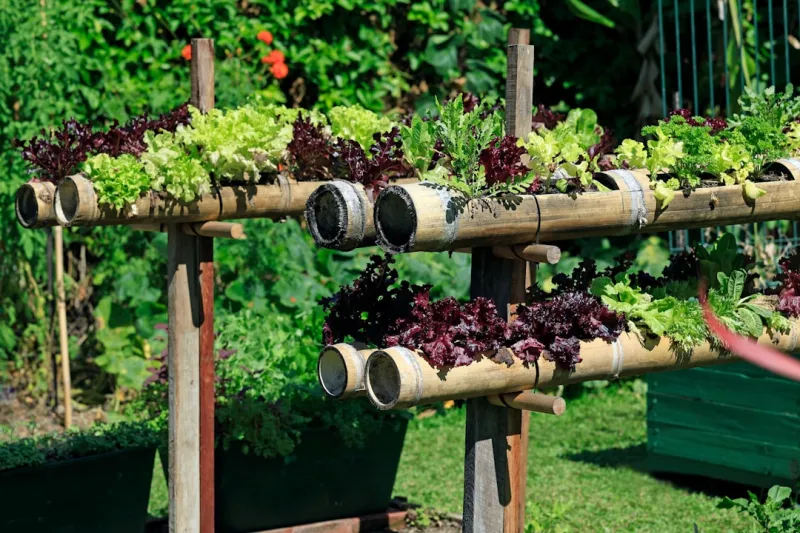
Introduction
Creating a vertical garden using upcycled pallets and a drip irrigation system is an incredibly rewarding project for both novice and seasoned gardeners alike. As urban spaces continue to grow, many of us find ourselves limited by the availability of traditional gardening space. Vertical gardening not only maximizes your available area but also adds a touch of greenery to your surroundings. Utilizing upcycled materials such as wooden pallets is a sustainable and eco-friendly approach, not only reducing waste but also saving on costs.
Moreover, by incorporating a drip irrigation system, you can ensure your plants receive adequate moisture with minimal water waste. A well-designed drip irrigation system can save up to 50% more water than traditional watering methods, making it an environmentally friendly choice. The primary benefits of creating a vertical garden include improved air quality, enhanced aesthetics, and possibly even better produce, if you choose to grow vegetables or herbs. This project requires basic DIY skills and some time, but it can be tackled by beginners.
In this comprehensive guide, we’ll walk you through the process step by step, ensuring you have everything you need to create a stunning and efficient vertical garden.
Tools Needed
1. Safety Gloves: Protects your hands from splinters and potential chemicals from treated wood. 2. Power Drill: Essential for drilling holes in the pallets and wood; makes the assembly process much easier. 3. Screwdriver: Useful for securing any components, especially if you opt for screws over nails. 4. Level: Ensures that your vertical garden hangs straight, which is important not just for aesthetics but for the stability of the garden. 5. Measuring Tape: Necessary to measure compartments and ensure that your plants have enough space to grow. 6. Hacksaw: Helpful for cutting the pallet down to size or creating custom space for your plants and irrigation system. 7. Watering Can: Initially used to water plants while setting up your drip system and in case of any troubleshooting. 8. Pliers: Ideal for bending any wire used in securing your irrigation system and manipulating small components.
Materials
1. Wooden Pallet (1-2): Depending on the size of your garden, select sturdy pallets without excessive damage. 2. Landscape Fabric (1-2 yards): Allows for ample drainage while retaining soil. Ideal for lining the back of the pallet. 3. Potting Soil (2-3 bags): Ensure you have good quality, nutrient-rich soil for your plants. 4. Plants/Seeds (variety): Choose herbs, flowers, or small vegetables suitable for vertical gardening. 5. PVC Pipe (1-2 feet): For the mainline of your drip irrigation system. 6. Drip Irrigation Kit (1): Includes drippers, connectors, and tubing specifically for setting up your system. 7. Screws (1 box): Suitable to construct and secure the pallets and any additional supports. 8. L brackets (4): To reinforce the structure and ensure stability when mounted. 9. Wooden Stakes (Optional): To support the pallet if it’s leaning or extra heavy. 10. Water Container (Optional): If you prefer a self-watering system, this can provide a reservoir for your drip irrigation.
Step-by-Step Instructions
# ### Step 1: Choose the Right Location
Choosing the right location is vital for your vertical garden's success. Start by assessing sun exposure. Most herb and vegetable plants thrive in full sun, requiring six to eight hours of sunlight daily. Look for spots that receive the needed light and have access to adequate water for irrigation.
- Tip: Be mindful of potential wind exposure; staking the pallet will help secure it if you have a breezy area.
- Safety: Ensure you use a sturdy, flat surface during assembly to prevent accidents.
# ### Step 2: Prepare Your Pallet
Once you have selected your pallets, inspect them for any rot or pest damage. Then, sand the edges and surface to smooth out any rough spots. This preparation will not only protect your hands but also prolong the life of the pallet.
- Tip: Use a disinfectant to clean the pallet as a preventive measure against pests or diseases.
- Safety: Wear gloves to avoid splinters and keep your work area free of debris.
# ### Step 3: Line Your Pallet
To ensure your soil stays put and drains adequately, you should line the inside of the pallet with landscape fabric. Cut the fabric to size, allowing it to cover the bottom and sides of each compartment in the pallet.
- How: Simply staple or use a heavy-duty adhesive to secure the fabric in place.
- Tip: Leave some fabric over the edge to fold down and cover the soil after filling.
- Safety: Ensure there are no exposed sharp edges from the staples.
# ### Step 4: Add Soil and Plants
Now it's time to fill the pallet with soil! Carefully fill each compartment with potting soil, making sure not to overfill it, as you need room for the plants.
- How: Plant each seed or starter plant at the recommended depth, and gently pat down the soil around the base.
- Tip: Group plants with similar light and water needs together for easier maintenance.
- Safety: Use a mask if handling large amounts of soil or any chemically treated soil.
# ### Step 5: Assemble the Drip Irrigation System
The centerpiece of your vertical garden is the drip irrigation system. Begin by cutting your PVC pipe to size, ensuring it is long enough to span the top of the pallet.
- How: Drill small holes in the PVC pipe where each planter will be positioned, ensuring they don’t clog easily.
- Tip: Use drip emitters in your kit for controlled watering.
- Safety: Follow all instructions on the irrigation kit to avoid leaks or malfunctions.
# ### Step 6: Attach the Drip System
Attach the tubing from the water source to your PVC pipe, connecting it to your drip irrigation setup. You’ll be running the pipe along the top of the pallet, ensuring water drains into each compartment.
- How: Use connectors from the irrigation kit to attach and secure the tubing.
- Tip: Test the system before finalizing attachments; adjust pressure and flow to your plants’ needs.
- Safety: Turn off the water source while making adjustments to avoid flooding.
# ### Step 7: Secure the Pallet
Your vertical garden needs to be properly secured to prevent tipping or falling. Depending on your location, you might want to attach it to a fence or wall.
- How: Use L brackets and a power drill to secure the pallet directly to a sturdy wall or fence.
- Tip: If the pallet is too heavy to mount directly, consider using wooden stakes at the back for additional support.
- Safety: Always check the weight limit of brackets used and ensure they’re well-installed.
# ### Step 8: Initial Watering
With the plants in place, it’s now time for the initial watering. Use your watering can to give your plants a good soak at the base.
- How: Water until the soil is moist, but ensure excess water drains appropriately from the bottom.
- Tip: This extra watering helps settle the soil down around the roots.
- Safety: Ensure your work area is free from debris before watering to avoid slips or falls with water present.
# ### Step 9: Observe and Adjust
Check your plants daily after setup to ensure they’re adjusting. Monitor moisture levels in the soil and adjust your irrigation system if necessary.
- How: Use your measuring device to ensure water is flowing correctly, and inspect the soil’s moisture with your fingers.
- Tip: Take notes on plant responses; keeping a journal helps track growth patterns and water needs.
- Safety: Be cautious of any pooling water, managing potential electrical hazards if using draft systems earlier on.
# ### Step 10: Routine Maintenance
A vertical garden requires consistent care. Set a routine for checking your plants, cleaning the irrigation filters, and re-calibrating the watering system every few weeks.
- How: Remove any dead leaves promptly and monitor for pests regularly to ensure plant health.
- Tip: Fertilize bi-weekly with a balanced liquid fertilizer to enhance growth and production.
- Safety: Always handle fertilizers and chemicals according to product instructions.
Troubleshooting
1. Water Leakage from the Drip System: If you notice water pooling, check connections and ensure they are secure. Drip emitters may need adjustments or even replacing.
2. Inadequate Sunlight: If your plants are stretching towards light, it’s a sign they’re not getting enough. Move the pallet or prune back taller plants blocking light.
3. Overwatered Plants: Yellowing leaves can be a symptom of root rot from overwatering. Adjust your irrigation settings and allow the soil to dry out before rewatering.
4. Pest Infestation: Regularly inspect for pests and take action. Use natural pest control options or insecticidal soap if populations become overwhelming.
5. Soil Runoff: If soil is washing out the bottom, ensure your landscape fabric is properly secured and layered. Increasing soil depth slightly can also help prevent this.
Conclusion
Creating a vertical garden using upcycled pallets and a drip irrigation system is both a fulfilling DIY project and a practical solution for limited gardening space. This guide has equipped you with everything you need to start your own eco-friendly, vertical garden, and with some planning and regular maintenance, you'll enjoy the fruits and flowers of your labor.
Variations include experimenting with different plant types, integrating additional companions like string lights for ambiance, or even expanding your vertical garden design with additional pallets. Your creativity is your only limit!
Remember, consistent monitoring and a willingness to adapt are essential for thriving plants. With effort and patience, your vertical garden will flourish, providing beauty and possibly even harvests you can enjoy.