How to create a vertical garden using repurposed plastic bottles for small spaces
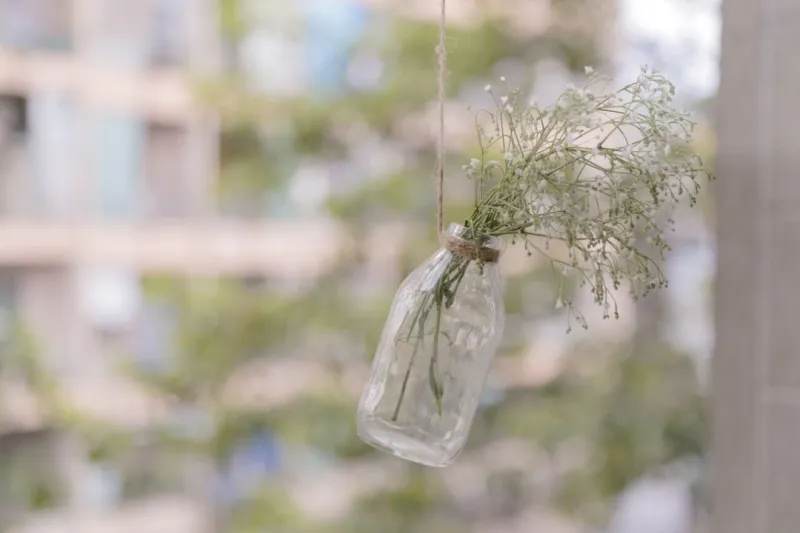
Creating a vertical garden using repurposed plastic bottles is an innovative and sustainable way to introduce greenery into your home or balcony, especially when space is limited. Vertical gardens are not only aesthetically pleasing but also maximize your available space, making them ideal for urban dwellers or those with small yards. This DIY project allows you to transform waste materials into beautiful, functional planters while contributing positively to the environment by reducing plastic waste.
Why Pursue This Project? As urban spaces become more crowded, outdoor gardening options often dwindle. The concept of vertical gardening provides a creative solution by allowing you to grow plants upward instead of outward. Using repurposed plastic bottles to create your vertical garden not only promotes environmental consciousness by reusing materials but also presents an opportunity to craft a unique addition to your home.
Benefits of Vertical Gardening
- Space Efficiency: Vertical gardens save space by utilizing wall areas or narrow surfaces.
- Improved Air Quality: Plants in your home can help purify the air.
- Aesthetic Appeal: They can serve as a stunning focal point in any area, offering lush greenery and beauty.
- Enhanced Privacy: A vertical garden can create a natural privacy screen in small outdoor spaces.
- Educational Experience: This project can develop your gardening skills and teach the importance of sustainability.
Tools Needed
1. Scissors
- Essential for cutting plastic bottles to the desired size.
- Needed for making holes in the bottles for drainage and hanging them.
- Helps ensure accurate measurements for cutting and spacing your planters.
- Useful for marking cutting lines on the plastic bottles.
- Required for securing the bottles to a frame or wall.
- If you're hanging the vertical garden, a level helps ensure everything is even.
- Protect your hands while cutting and handling plastic bottles.
- If you want to paint the bottles for a more personalized touch.
Materials
1. Plastic Bottles
- Quantity: 6-10 (or more depending on available space).
- Quantity: 1 bag (slow-release works best for containers).
- Quantity: 2 bags (depending on the size of your bottles).
- Quantity: 6-10 (choose small plants or herbs suitable for container gardening).
- Quantity: 8-12 (for securing the bottles if using a wooden frame).
- For supporting your vertical garden, adds stability.
- For watering your plants once set up.
- To keep your working area clean during potting.
Intro
The purpose of this guide is to help you create a vertical garden that not only beautifies your living space but also aids in sustainable living by repurposing plastic bottles that would otherwise contribute to landfill waste. The benefits of having a vertical garden are numerous, including making your space feel warmer and cozier, improving air quality in your home, and offering fresh herbs or flowers at your fingertips.
As beginners, you might feel hesitant about your gardening skills, but rest assured, this project is designed to be accessible and enjoyable. All you need is some old plastic bottles and minimal tools—alongside your creativity. Whether you're growing herbs for cooking, flowers for decoration, or simply cultivating a sense of green thumb, this is the perfect entry-point into gardening.
Step 1: Gather Your Tools and Materials
What to Do: Before starting, gather all your tools and materials in one area. Ensure you have enough bottles, soil, and plants.
How: Set up your workspace on a flat surface, preferably outdoors or in a well-ventilated area to handle any potential mess from the soil or crafting.
Tips: Having everything organized will make this process smoother and more enjoyable.
Safety: Always handle scissors and sharp tools carefully to avoid accidents.
Step 2: Prepare Your Plastic Bottles
What to Do: Start by cleaning your plastic bottles thoroughly. Remove any labels and rinse them well.
How: Use soapy water to clean the inside and outside, ensuring no residue remains. This helps prevent mold.
Tips: Cutting off the labels before washing can simplify the process.
Safety: Wear gloves if you're sensitive to soaps or if using sharp tools to cut.
Step 3: Cut the Bottles
What to Do: Cut each plastic bottle into halves or thirds, depending on how tall you want each planter to be.
How: Using scissors, carefully make a cut around the bottle. Ensure you leave enough height on each section to hold soil and plants.
Tips: A serrated knife can also be used if scissors aren't cutting it cleanly. Mark your cutting lines beforehand with a marker for precision.
Safety: Be cautious of sharp edges once the bottles have been cut; smooth them out if possible.
Step 4: Create Drainage Holes
What to Do: Drill or poke holes into the bottom of each bottle section you plan to use.
How: Use a drill or a screwdriver to create multiple small holes to allow for water drainage, preventing root rot.
Tips: Consider using a heated rod or a nail to puncture the holes if you do not have a drill.
Safety: Work on a stable surface and keep your fingers away from where you are drilling to prevent injury.
Step 5: Assemble Your Vertical Structure
What to Do: Decide how you want to hang or arrange your bottles.
How: Use a wooden pallet or create a DIY frame using wooden planks or nails to secure your bottles in a vertical arrangement.
Tips: Use screws or nails to attach each bottle securely to the frame. Ensure it is sturdy enough to hold the weight of the soil and plants.
Safety: If using screws or nails, be careful not to hurt yourself, and wear gloves if you have sensitive skin.
Step 6: Add Potting Soil
What to Do: Fill each bottle section with potting soil.
How: Add soil until filled but leave a little space at the top for the plants.
Tips: Sprinkle slow-release fertilizer throughout the soil to help nourish your plants over time.
Safety: Avoid inhaling soil dust; wearing a mask may be helpful if you're sensitive.
Step 7: Plant Your Chosen Vegetables or Flowers
What to Do: Place your plants or seeds into the soil of each bottle.
How: Dig a small hole in the soil, place your plant or seeds, and gently pack the soil back around them.
Tips: Consider plants that grow best in vertical spaces, such as strawberries, herbs, or small flowering plants.
Safety: Make sure to use your hands or a small tool to avoid damaging plant roots when planting.
Step 8: Water and Maintain Your Vertical Garden
What to Do: After planting, give each section a thorough watering.
How: Use a watering can or spray bottle to keep the soil moist but not overly saturated.
Tips: Monitor your plants regularly, and adjust the watering schedule based on weather conditions and plant requirements.
Safety: Avoid overwatering your plants, which can lead to soil erosion and plant mortality.
Step 9: Hang or Display Your Vertical Garden
What to Do: Once everything is planted and watered, find a good spot to hang or display your vertical garden.
How: If using a pallet, secure it to your wall at a suitable height. If it’s free standing, place it in an area that receives adequate sunlight.
Tips: Ensure the display location is easily accessible for watering and maintenance.
Safety: Ensure whatever support system you've created is secure and can support the weight of the soil and plants.
Step 10: Observe and Adjust
What to Do: Monitor your vertical garden's health regularly.
How: Check for signs of wilting or browning leaves, and respond accordingly by adjusting light, water, or drainage.
Tips: Rotate your plants or rearrange if they seem to be competing for light or becoming overly shaded.
Safety: Keep an eye on the hanging setup to ensure it remains stable and secure.
Troubleshooting
Even with careful planning, some common issues may arise:
1. Overwatering: Fix: Ensure proper drainage holes are made; reduce watering frequency.
2. Wilting Plants: Fix: Check sunlight exposure and adjust accordingly; ensure proper watering.
3. Pests: Fix: Introduce natural pest deterrents like neem oil or insecticidal soap.
4. Fading Colors: Fix: Ensure plants are getting enough sunlight or consider rotating plants periodically.
5. Bottles Falling: Fix: Check the stability of mounts; reinforce with additional screws or brackets.
Conclusion
Creating a vertical garden from repurposed plastic bottles is a rewarding project that not only beautifies small spaces but also underscores the importance of recycling. From enhancing your home’s atmosphere to providing a personal green oasis, vertical gardens can significantly impact your daily life.
You can experiment with different materials, plants, and designs to cater to your preferences and available space. Remember to maintain your garden by regularly checking on your plants' health and needs, ensuring that your vertical garden thrives.
As you enjoy the fruits of your labor, feel free to explore variations, such as painting your bottles for added visual appeal or installing additional tiers to accommodate more plants.
With patience, care, and a bit of creativity, you’ll soon have a vibrant vertical garden to admire.