How to create a vertical garden wall with repurposed pallets and succulent plants
Introduction
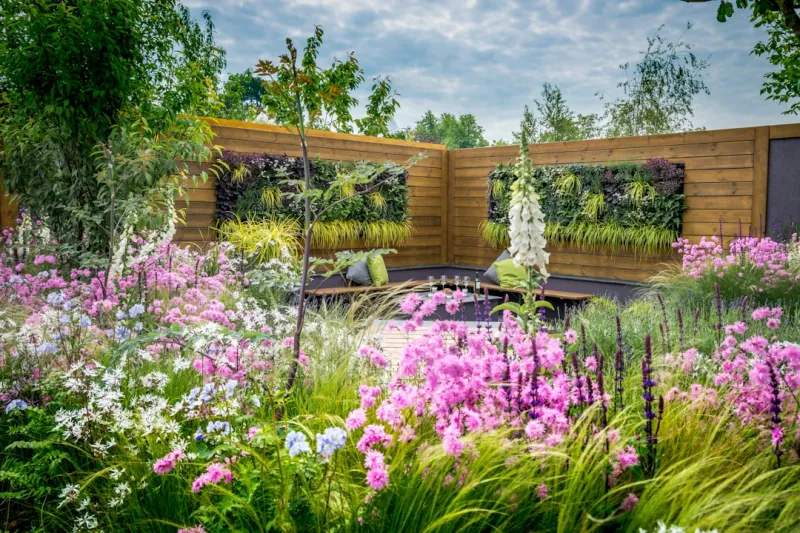
Transforming a plain wall into a thriving vertical garden is not only visually appealing but also environmentally friendly. The idea of creating a vertical garden with repurposed pallets and succulent plants adds a delightful touch to any space while requiring minimal upkeep. This project suits both seasoned gardeners and beginners eager to dip their toes into the joys of gardening.
Creating a vertical garden wall serves several practical purposes. First, it makes efficient use of space, particularly in small backyards, balconies, or even indoor areas. Secondly, it offers excellent air-purifying qualities due to the plants' ability to absorb toxins and release oxygen, contributing positively to your surrounding environment. Third, succulents, which are the stars of this project, are low-maintenance and resilient, making them perfect for busy households or novice gardeners.
This project is ideal for those with minimal gardening skills. The ability to make use of what you have—such as old pallets—is not only budget-friendly but also environmentally sustainable. All in all, creating a vertical garden wall is a fulfilling project that can enhance your living space's aesthetic while fostering a connection with nature. Grab your tools, gather your materials, and let's delve into the world of vertical gardening!
Tools Needed
- Hammer: Essential for driving nails into pallets and making adjustments.
- Wood Saw: Useful for cutting the pallets to fit your desired dimensions.
- Sandpaper: Important for smoothing rough edges to prevent splinters and ensure safety.
- Staple Gun: Used for securing landscaping fabric to the back wall of the pallet.
- Drill with Bits: For making drainage holes if necessary and securing the pallets to the wall.
- Measuring Tape: Ensures that your pallet fits the intended space perfectly.
- Gloves: Protects your hands from splinters and debris while working with wood and soil.
Materials
- Repurposed Pallets: 1-3 pallets, depending on the size of your vertical garden.
- Landscaping Fabric: 1 roll, which will act as a barrier between soil and the wood.
- Potting Soil: 2-3 bags, to fill the pockets of the pallets.
- Succulent Plants: 10-15 plants; choose varieties that are small and manageable.
- Nails: 1 box of nails to secure the pallets together if you choose to stack them.
- Wood Stain or Sealant: 1 can, to protect the pallets and enhance their appearance.
- Watering Can or Spray Bottle: For watering the succulents.
- Screws: 1 box, to secure the pallet to the wall firmly.
- Eye Protection: Always a good idea when using power tools.
- Dust Mask: To prevent inhaling wood dust when cutting or sanding.
Step 1: Choosing the Location
Choosing the right location for your vertical garden is crucial for its health and visibility. Find a spot that gets at least 4-6 hours of sunlight daily, as most succulent plants thrive in bright light. Look for a plain wall, preferably against a fence, outdoor wall, or even indoors where it can become a beautiful statement piece. Ensure that the area is easily accessible for regular maintenance.
Tip: Use a mobile app or guide to get an idea of the light exposure in your chosen location throughout the day. Take photos of the wall at different times, ensuring you can gauge the light properly.
Step 2: Preparing the Pallet
Now that you have chosen a location, it's time to prepare the pallet(s). Start by ensuring they are clean and free of chemicals that might harm your plants. If the pallets are dirty, scrub them down with soapy water, then let them dry completely.
Next, sand any rough edges to prevent splinters, especially if you're using the pallet indoors. If the wood is weathered or you want a specific aesthetic, apply a wood stain or sealant. This not only improves the look but also adds a layer of protection against moisture.
Tip: If you prefer natural wood, look for pallets that are heat-treated rather than chemically treated (indicated by the “HT” stamp), ensuring the safety of your plants.
Step 3: Adding Landscaping Fabric
Once the pallet is drying or ready, lay it flat with the slats facing up. Cut a piece of landscaping fabric that will cover the back and sides of the pallet. This fabric acts as a barrier, retaining soil while allowing excess water to drain.
Using a staple gun, secure the fabric to the back of the pallet. Pull the fabric taut to prevent sagging and ensure it can hold the soil when upright. Make sure to leave enough fabric along the openings to fold over the top of the soil once the plants are added.
Tip: Overlap the fabric onto the sides; this extra material will help retain soil better when the pallet is mounted vertically.
Step 4: Filling with Soil
With the landscape fabric securely in place, it’s time to fill the pallet with potting soil. Lay the pallet flat and begin filling each pocket between the slats with soil. Use your hands or a small shovel to pack the soil firmly, ensuring it holds its shape.
While filling, occasionally check that you haven’t overfilled each pocket; leave enough space for your succulent plants. This step is crucial because too little soil will cause plants to dry out, while too much could create a mess upon standing the pallet up.
Tip: Moisten the soil lightly before inserting the plants to reduce stress on them when planted.
Step 5: Choosing and Planting Succulents
Select your succulent plants based on aesthetic preference as well as compatibility. Some popular choices include Echeveria, Sedum, and Aloe, which are all hardy and come in various shades and shapes.
Create your arrangement before planting for optimal design. Remove succulents from their pots, gently loosening any tightly bound roots. Plant one succulent in each pocket of the pallet, placing them firmly into the soil. Gently pack soil around them to hold them upright.
Tip: Space the plants according to their growth potential; avoid overcrowding to ensure they have enough room to thrive.
Step 6: Securing the Pallet to the Wall
With the plants nestled in their new homes, it’s time to mount the pallet vertically. Hold the pallet against the wall at your desired height and mark where the screws or nails will go for a sturdy fit.
Using a drill, secure the pallet based on your marked spots. If mounting directly into the stud is possible, this is ideal for increased support. Use screws instead of nails for a firmer hold, especially if the vertical garden is substantial.
Tip: Use a level to ensure the pallet is straight before securing. This not only enhances the aesthetic but also ensures proper drainage.
Step 7: Watering the Plants
After the pallet is mounted, give your succulents a thorough watering. Use a watering can or spray bottle with water. Be careful not to overwater; succulents prefer slightly dry conditions between watering.
Monitor how quickly the soil retains moisture and adjust your watering schedule accordingly. Remember, succulents do not need as much water as traditional plants, especially those in a vertical garden setting.
Tip: Consider watering the plants during the early morning or late afternoon to avoid water evaporation during the hot midday hours.
Step 8: Maintenance and Care
Your vertical garden wall will need regular care to thrive. Spend a few minutes every week checking on the health of your plants. Remove dead leaves, ensure adequate moisture, and check for pests, which can be more prevalent in vertical setups.
Rotate your plants occasionally if specific sections receive less light to ensure even growth. Additionally, if some plants begin to outgrow their space, you may need to prune them back.
Tip: Invest in a good quality fertilizer specifically for succulents to boost their growth during active growing months (spring and summer).
Troubleshooting
It’s not uncommon to face issues while creating and maintaining a vertical garden. Here are some common problems, along with their solutions:
1. Plants Wilting: Over or under-watering is often to blame. Feel the soil; if it’s dry several inches down, add water. If it’s soggy, let it dry out before the next watering. Consider using a moisture meter for guidance.
2. Fabric Breaking Down: If the landscape fabric deteriorates, it may not be durable enough for long-term use. Check for UV resistance when purchasing, or consider replacing it periodically, especially if it's outside.
3. Poor Growth: Insufficient sunlight may be the culprit. If plants aren't thriving, consider relocating the pallet to a sunnier spot or using grow lights if placed indoors.
4. Pests Infestation: Common pests like aphids or spider mites may occur. Spray the affected areas with a mild soap solution or insecticidal soap to eradicate the pests.
5. Soil Erosion: If soil is washing out the bottom, ensure drainage holes are clear. Adding extra fabric along the bottom can also help retain soil while allowing for drainage.
Conclusion
Creating a vertical garden wall with repurposed pallets and succulent plants is a rewarding project that enhances your living space and fosters your connection with the environment. This undertaking allows you to be creative, utilize repurposed materials, and cultivate plants that are both beautiful and easy to care for.
Variations of this project can include using different types of plants such as herbs, flowers, or even vegetables if you desire a more extensive garden. Furthermore, using painted pallets or adopting an artful placement of succulents can inject even more personality into your vertical garden.
Regular maintenance will ensure the longevity and health of your vertical garden, providing year-round beauty. You’ll enjoy the satisfaction that comes from nurturing these plants and the transformation of your space, making it a joyous hobby for years to come.