How to create a vertical garden using repurposed wine bottles and gardening fabric
Intro
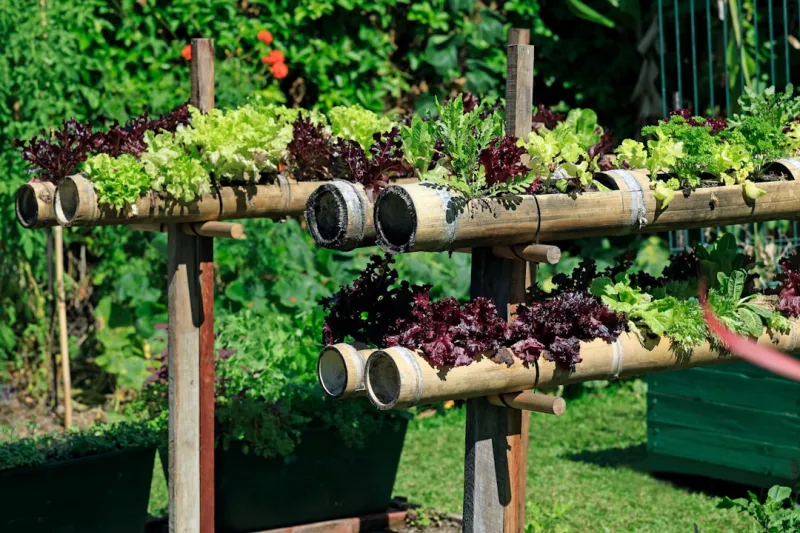
Vertical gardening has taken the world of home gardening by storm, providing a stunning way to greenscape small spaces without taking up precious ground area. If you find joy in nurturing plants but are limited by space, especially in urban settings, creating a vertical garden can offer both a solution and a rewarding hobby. This DIY guide will walk you through creating your own vertical garden using repurposed wine bottles and gardening fabric. Not only is this a practical way to grow herbs, flowers, or succulents, but it’s also an eco-friendly project that gives new life to old materials.
The benefits of vertical gardening are manifold. Such structures maximize sunlight exposure, reduce soil erosion, and can even act as natural insulators if positioned correctly. Furthermore, repurposing items like wine bottles not only saves money but also minimizes waste, contributing to a more sustainable lifestyle. Whether you're a beginner or a seasoned gardener, this project can be both fun and fulfilling, allowing you to express your unique style while beautifying your outdoor or indoor space.
The skill level for this project is beginner-friendly. While some aspects of the process require attention to detail, the overall task is manageable, and the satisfaction derived from your vertical garden will surely motivate you to continue gardening. Plus, you’ll gain valuable skills that will boost your confidence to tackle more ambitious projects in the future. So, gather your materials and let's get started on your journey to creating a vertical garden that beautifies your space and showcases your style!
Tools Needed
1. Drill with a Masonry Bit: To create drainage and installation holes in the wine bottles, a drill equipped with a masonry bit will make the job easier and more efficient.
2. Screwdriver: This is essential for attaching the wooden or metal frame to your vertical structure and securing any components.
3. Scissors: A good pair of scissors will come in handy for cutting the gardening fabric to fit your wine bottle holder structure.
4. Measuring Tape: Accurate measurements are crucial. A tape measure will help you ensure all elements are evenly spaced and aligned.
5. Level: This tool ensures your vertical garden is mounted evenly, preventing waterlogging in certain areas and ensuring that the structure looks aesthetically pleasing.
6. Gloves: Gardening gloves will protect your hands from sharp edges and splinters from the bottles and frame.
7. Safety Glasses: Wear these when using power tools to safeguard your eyes from dust and flying debris.
8. Trowel: A small hand trowel will help you place soil and plants into the wine bottles with ease.
Materials
- Wine Bottles: Approximately 10-15 bottles, cleaned and labels removed.
- Gardening Fabric: About 2 yards, preferably a breathable fabric that can retain soil without leaking too much water.
- Wood (or Metal) Frame: Dimensions will depend on the number of bottles; an estimated size of 4 feet tall by 3 feet wide is a good start.
- Potting Soil: Approximately 2-3 bags (depending on bottle sizes) to fill each bottle adequately.
- Plants/Seeds: Choose around 10-15 plants, such as herbs, lettuces, or small flowers.
- Twine or Wire: About 10-15 feet, useful for securing the gardening fabric to the frame.
- Paint (optional): If you want a decorative touch, consider using a weather-resistant paint for the frame.
- Sealant: A waterproof sealant for any wooden components to ensure longevity outdoors.
- Drill and Anchors: Check the wall where you’re mounting the frame to ensure it’s secure.
Steps to Create Your Vertical Garden
### Step 1: Gather Your Tools and Materials
Before diving into your project, gather all necessary tools and materials in one workspace. This may include your wine bottles, gardening fabric, potting soil, the wooden or metal frame, plants, and other tools. Organizing your workspace can save you time and effort later.
Can’t find a wine bottle opener? Use a corkscrew or follow a DIY method to extract any remaining cork, ensuring the bottles are completely clean. Removing the labels from your bottles may take a bit of time. Soak them in warm soapy water, allowing the adhesive to loosen. This step will not only improve aesthetics but also prepare the bottles for planting.
### Step 2: Prepare the Wine Bottles
Once you’ve collected your bottles, the next step is to prepare them for planting. Use the drill to make a drainage hole near the bottom of each bottle. This step is crucial to prevent excess water from gathering and suffocating the roots of your plants.
- Tip: Proceed slowly while drilling, as glass can shatter under too much stress. Use water while drilling to keep the glass cool and reduce dust.
### Step 3: Create the Frame
Your next task is to create a sturdy frame for your vertical garden. You can choose to construct it from wood or metal, depending on your aesthetic preferences and available materials.
Start by cutting your wood or metal to the desired dimensions. If you opt for wood, it’s beneficial to sand down any rough edges and apply a waterproof sealant to protect against rot. After assembling the frame, use a level to ensure it stands evenly.
- Safety Tip: Always wear safety glasses and gloves while cutting and assembling your materials to protect against accidents.
### Step 4: Attach the Gardening Fabric
Cut your gardening fabric to fit the dimensions of your frame. The fabric will serve as a growing medium for your plants, keeping soil in while allowing roots to breathe. Sew the fabric into pockets through which you’ll insert the wine bottles.
To attach the fabric securely, use twine or wire to create a grid over the frame, ensuring the fabric is tightly fastened without sagging. This part is crucial so that it can hold the weight of the soil and plants once everything is installed.
- Tip: Ensure there are enough pockets for all your wine bottles; you may prefer a staggered layout for a visually dynamic garden.
### Step 5: Fill the Bottles with Soil
With your structure ready, the next step is to fill the prepared wine bottles with potting soil. Start by pouring a layer of potting soil into each bottle, making sure to leave some space at the top for plants.
- Tip: When filling, tap the sides gently to settle the soil and eliminate air pockets. You can also use the trowel to help in this process.
### Step 6: Plant Your Chosen Flora
Now comes the fun part—planting your chosen herbs, flowers, or plants! For best results, select plants that thrive in similar light conditions and water needs. Small herbs like basil, thyme, or flowers such as petunias work well in bottle gardens.
Carefully insert each plant into the soil, pressing it down gently to ensure it has good contact with the soil. For seeds, follow the package instructions for spacing and depth, as each type of seed has specific planting instructions.
- Tip: Be sure not to overcrowd the bottles. Adequate airflow helps avoid fungal diseases.
### Step 7: Position the Vertical Garden
Once everything is planted, carefully position your vertical garden in the desired location. Ensure it gets enough sunlight for the plants you’ve chosen—most will thrive with at least 4-6 hours daily. Mount the frame securely against a wall or a sturdy area. Use brackets or anchors to fix the structure securely.
- Tip: If possible, observe the location for a few days to capture sunlight patterns to determine if you've chosen the right spot.
### Step 8: Water and Maintain Your Garden
Your vertical garden will require regular care. Water the bottles as necessary, ensuring not to overwater. Checking the moisture level is crucial, as the bottles might dry out more quickly than traditional garden beds. You may need to water more frequently during hot months.
As the plants grow, monitor them for pests or diseases. Regularly pinch or snip back any dead leaves to encourage healthy growth. Fertilizing may also be necessary; use organic matter such as compost to enhance soil fertility.
- Safety Tip: Always be careful while handling a watering can or hose near your vertical garden to avoid spills and maintain safety.
Troubleshooting
Even the most well-planned vertical gardens can face challenges. Here are some common issues you might encounter and simple solutions:
1. Insufficient drainage: If water is pooling, check that the drainage holes are adequately drilled. Increase the number or size of holes if necessary.
2. Plants are wilting: This could result from either under-watering or over-watering. Check the soil moisture; adjust your watering schedule accordingly.
3. Pest invasion: Small insects may become problematic. Use a natural insecticidal soap or neem oil to combat them gently, avoiding harm to the plants.
4. Poor growth: If plants seem stunted, they may be lacking nutrients. Fertilize with an organic liquid fertilizer every few weeks to ensure adequate nutrients reach the roots.
5. Fabric deteriorating: If the gardening fabric shows signs of wear, replace portions or the entire fabric as necessary. Opt for high-quality, durable fabric next time.
Conclusion
Creating a vertical garden using repurposed wine bottles and gardening fabric is not only an engaging DIY project but also an excellent way to introduce greenery into your living space. With minimal cost and a little bit of time, you’ve transformed waste into a captivating green display that enriches your environment. You can explore variations such as using colored bottles, filling them with different types of soil, or choosing a wide variety of plants to create your unique design.
Remember that maintenance is vital for the longevity of your vertical garden. Paying attention to your plants and regularly watering and pruning them ensures a thriving green oasis. As you gain confidence, consider expanding your garden, trying new designs, or even experimenting with other repurposed materials.
This hands-on project not only beautifies your surroundings but also promotes a sustainable and conscious lifestyle. Happy gardening!