How to create a vertical garden using upcycled plastic bottles and wooden pallets
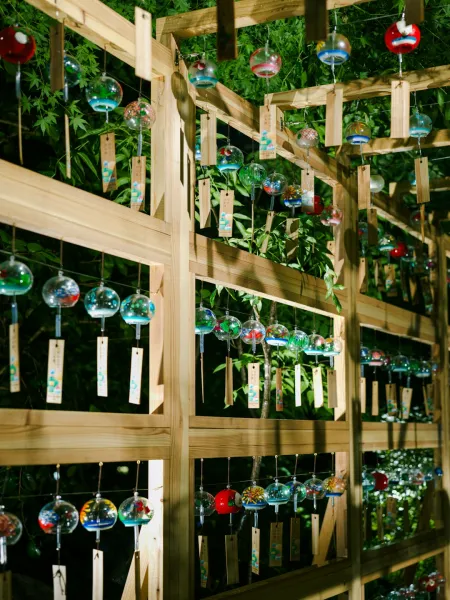
Creating a vertical garden is an incredibly rewarding DIY project that not only enhances the visual appeal of your space but also contributes positively to the environment. By using upcycled plastic bottles and wooden pallets, you can create a sustainable gardening solution that is eco-friendly and cost-effective. Vertical gardens are perfect for those with limited yard space, as they allow you to maximize your planting area and can be installed on balconies, patios, or even indoors.
The benefits of setting up a vertical garden include improved air quality, access to fresh herbs and vegetables, and increased biodiversity in urban environments. It also encourages recycling by repurposing plastic bottles that would otherwise end up in landfills, thus reducing your carbon footprint. As far as skill levels go, this project is beginner-friendly and can be completed by anyone with basic tools and a little creativity.
This guide takes you through the process step-by-step, ensuring you have all the necessary information to successfully create your vertical garden. So, roll up your sleeves, and let's get started on this fun, sustainability-focused journey!
Tools Needed
1. Scissors
- To cut the plastic bottles at the right height for planting.
- To create drainage holes and secure the bottles to the wooden pallets.
- For attaching the bottles to the pallet and ensuring they are secure.
- Useful for smoothing the wooden pallets to prevent splinters.
- If you want to paint or seal the wooden pallets for extra protection.
- Protects your hands from dirt and sharp edges while working.
- To measure the height and distance of your installations accurately.
- To ensure your vertical garden is straight when hung or leaned against a wall.
Materials
1. Plastic Bottles
- Quantity: 8-10 (1.5-liter or 2-liter bottles work great)
- Quantity: 1-2 (ensure they are in good condition and free of toxic chemicals)
- Quantity: 1 large bag (approximately 25 liters)
- Quantity: 1 small bag (helps with drainage at the bottom of the bottles)
- Quantity: 10-15 small plants or seedlings (consider plants that grow well in vertical gardens, such as strawberries, herbs like basil and mint, or small flowers)
- Quantity: 20-30 screws/nails (for securing the bottles to the pallet)
- For watering your plants after planting them in the bottles.
- Protects the wood from the elements if your pallet will be outdoors.
- For tying plants that require support.
- If you're looking to decorate your pallet.
Steps to Create Your Vertical Garden
# ### Step 1: Gather Your Materials and Tools
Before starting your vertical garden, ensure you have all your materials and tools at hand. Gather your plastic bottles, wooden pallets, soil, plants, and other items mentioned in the materials list. Check the condition of your pallets to avoid any that may be damaged. If you want to paint or seal your pallet, make sure to gather those materials too. Take your time to lay everything out; this will make your workflow smoother as you progress through the project.
Tip: Start with a clean workspace. Use a flat surface where you have room to work freely without things getting in your way.
# ### Step 2: Prepare the Wooden Pallet
Start by giving your wooden pallet a thorough inspection. Look for any rough edges or splinters that might cause injury. Use sandpaper to smooth out any rough areas. If you want to paint or seal your pallet, consider doing this step now while the pallet is flat on the ground. Apply paint, stain, or wood sealer and let it dry completely.
Safety: Always use gloves when handling wood to prevent splinters. Work in a well-ventilated area if you are using paint or sealants.
# ### Step 3: Cut the Plastic Bottles
After preparing the pallet, move on to your plastic bottles. Using scissors, cut each bottle in half horizontally. The bottom half will be used as the planting container, while the top half can be set aside for other small plant projects or recycling. If you want hanging bottles, cut a hole in the side of the bottle for drainage and to water your plants.
Tip: Make sure to cut enough bottles to fill your pallet, but don't overwhelm yourself. As a beginner, it's okay to keep it simple.
# ### Step 4: Drill Drainage Holes
Using a drill with a drill bit, create drainage holes in the bottom of each bottle. Good drainage is crucial for plant health, as it prevents overwatering. Ensure the holes are large enough for excess water to escape. If you want, you can also drill small holes in the sides of the bottles to let moisture seep through as needed.
Safety: Be cautious while using power tools. Always wear safety goggles to protect your eyes from debris.
# ### Step 5: Configure the Bottle Positions
Lay out your plastic bottles on the wooden pallet to determine how you would like to arrange them. You can go for a staggered design or neatly aligned in a row, depending on your aesthetic preference. Ensure you have enough space for the plants to grow. Make adjustments until you are satisfied.
Tip: Consider varying bottle sizes and orientations to create a more dynamic look.
# ### Step 6: Secure the Bottles
Once satisfied with the arrangement, it’s time to secure the bottles to the pallet. Using the screwdriver, attach each bottle with screws or nails to the pallet. Insert screws from the side or bottom, depending on your arrangement, making sure they are tightly secured but not so tight that they crack the plastic.
Tip: For added stability, place small stones or gravel in the bottom of each bottle before securing. This will help anchor them and improve drainage.
# ### Step 7: Add Drainage Rocks
After securing the bottles, pour a small layer of draining rocks or gravel into the bottom of each bottle. The gravel will create a barrier between the soil and water, which aids in proper drainage and helps prevent root rot in your plants. This is especially important if you live in a humid area or experience heavy rainfall.
Tip: Do not skip this step! Proper drainage is essential for a healthy vertical garden.
# ### Step 8: Fill with Soil and Plant
Now that your bottles are ready, fill them with potting soil, leaving some space at the top for the plants. Carefully remove your plants from their original containers and insert them into the soil-filled bottles. Ensure that each plant is securely nestled in the soil. Pat down the soil gently around the plants to hold them in place.
Tip: Consider grouping plants with similar light and watering needs to ease maintenance later.
# ### Step 9: Water the Plants
After planting, it’s time to water your new vertical garden. Use a watering can or spray bottle to give your plants a gentle drink, making sure that excess water drains through the holes you've created. Be careful not to overwhelm the plants; a light watering is usually enough, especially right after planting.
Tip: If you’ve planted small plants or seeds that are delicate, consider misting them instead of using a watering can to avoid washing away the soil.
# ### Step 10: Select a Location and Hang Your Vertical Garden
Identify a suitable spot to hang your vertical garden. Ideally, choose a location that receives adequate sunlight depending on the plants you've selected. If your pallet is heavy, consider using wall anchors or heavy-duty hooks to secure it to a wall. If you opted for a freestanding design, place it against a wall or fence for support.
Tip: Keep in mind the plant light requirements when selecting a location, as some plants prefer full sun while others thrive in shade.
Troubleshooting Common Issues
1. Overwatering: If leaves appear yellowing or mushy, it's a sign of overwatering. Fix this by ensuring better drainage (drill more holes) and allowing the soil to dry out between watering.
2. Underwatering: If plants look wilted or dry, increase your watering frequency. Remember that vertical gardens often dry out faster than traditional gardens.
3. Pest Infestation: If you notice pests like aphids or spider mites, use natural insect deterrents such as neem oil or introduce beneficial insects to combat the problem without chemicals.
4. Plant Rot: This could be due to poor drainage or inadequate light. Ensure your bottles have sufficient drainage holes and check if the plants are getting enough sunlight, relocating them if necessary.
5. Weak Growth: If your plants are not thriving, consider checking the soil nutrient levels. You may need to fertilize or replace the soil if it becomes compacted over time.
Conclusion
Building a vertical garden using upcycled plastic bottles and wooden pallets is not only a sustainable gardening solution but also a fantastic way to beautify your home or balcony. Throughout this guide, we've covered everything from gathering materials and tools to troubleshooting common issues, making it easy for beginners to dive into this rewarding project.
Remember, you can always personalize your vertical garden based on the types of plants you plant, the colors of the bottles, or the decoration of the pallet. Maintenance is generally low; just ensure proper watering and observance for pests or diseases. Enjoy the refreshing sight of greenery transforming your space and the satisfaction of knowing you are contributing to a healthier planet.
Get started on your vertical garden project today and experience the joy of growing your own plants at home!