How to create a vertical garden using repurposed pallets and old mason jars
Introduction
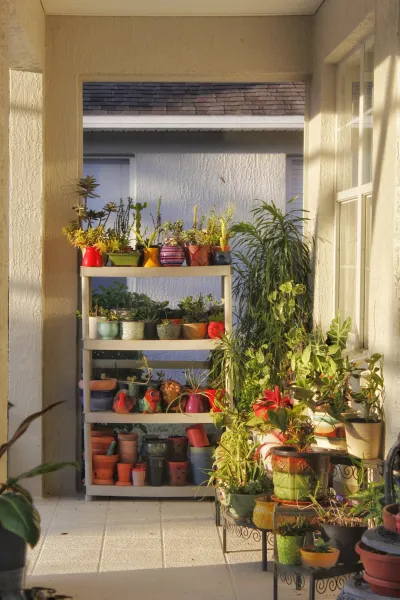
In an era where urbanization is rapidly expanding and available green space is shrinking, the concept of vertical gardening has emerged as an ingenious solution for bringing the beauty of gardening to even the smallest of spaces. If you’ve ever dreamed of nurturing your own herbs or flowers but felt daunted by limited square footage, you might find that vertical gardening is just the solution you’ve been looking for. Not only does it allow you to maximize your growing area, but it also adds a unique aesthetic to any wall while being environmentally friendly.
This guide highlights how to create an eye-catching vertical garden using repurposed pallets and old mason jars. The use of repurposed materials speaks volumes about sustainability—helping to reduce waste while giving new life to items that might otherwise end up in a landfill. Moreover, this project allows for a fun and creative outlet where you can express your personality through plant selection and design.
From young gardeners to seasoned DIY enthusiasts, this project welcomes all skill levels. The process is straightforward, making it ideal for beginners who may be intimidated by traditional gardening methods or those with limited experience in woodworking or home crafting. Plus, you get to enjoy the fruits of your labor—and the herbs for your meal preparations—right from your own home!
Tools Needed
1. Hammer: A reliable hammer will help you drive nails and secure the pallet and jars effectively. It’s a basic tool, but essential for any woodworking project.
2. Nails or Screws: These are necessary for assembling the pallet structure and attaching jars. A mix of both can provide added strength.
3. Drill with Drill Bits: Using a drill will help create holes in the pallet and jars for drainage or mounting. It allows for clean and precise work compared to manually using a hammer.
4. Saw: A saw, whether a hand saw or power saw, is crucial if you need to adjust or cut your pallet to fit your desired space.
5. Level: A level will help ensure your vertical garden is perfectly aligned. This is especially important for aesthetics and plant health.
6. Measuring Tape: Accurate measurements are vital for ensuring that your pallet will fit in your space and that your jars will be evenly spaced out.
7. Paintbrush and Wood Sealer: If you decide to paint or seal your pallet to protect it from the elements, this will be needed. Wood sealers also help prolong the life of your pallet garden.
8. Gloves: Protect your hands when working with wood, sharp tools, and soil. Safety first!
Materials
1. Wooden Pallet (1): Find a sturdy and undamaged pallet that can support the weight of soil and plants.
2. Old Mason Jars (5-10): Use jars of various shapes and sizes, depending on your layout and plant choices.
3. Potting Soil (1 bag - approximately 50 liters): Essential for planting. Choose a soil mix suited to the type of plants you wish to grow.
4. Small Plants or Seeds (as desired): Choose herbs, succulents, or small flowering plants that thrive in a vertical setting.
5. Acrylic Paint or Stain (optional) (1-2 cans): For painting or staining the pallet if you want to add color or protect against the elements.
6. Wood Screws/Nails (1 box): To securely fasten the jars to the pallet.
7. Hanging Hooks or Brackets (2-4): Mounting hardware to help support your vertical garden on the wall or balcony.
8. Watering Can or Spray Bottle: For nurturing your plants in their new home.
9. Plastic or Rubber Mat: To place under your project area to catch any spills or dirt.
10. Safety Glasses: Protect your eyes from dust and flying debris while cutting or drilling.
Steps to Create Your Vertical Garden
### Step 1: Choose Your Location
What: Identify a suitable location for your vertical garden. It’s best to choose a spot with access to sunlight for several hours a day.
How: Observe sunlight patterns and choose a wall or fence that gets at least 6-8 hours of sunlight, especially for sun-loving plants like herbs. Measure the area to ensure your pallet will fit.
Tips: If you lack sufficient sunlight, you can position your garden where it gets morning sun and some afternoon shade. Alternatively, consider using grow lights to supplement natural light.
Safety: Ensure the location allows enough space for interacting with the pots. Being aware of power lines or low-hanging branches are also critical for safety.
### Step 2: Prepare the Pallet
What: Clean and prepare your wooden pallet for use.
How: Take your pallet and remove any loose nails, splinters, or foreign materials. Sand any rough spots to ensure a smooth finish. If desired, paint or stain the pallet with a wood sealant to enhance durability and aesthetics.
Tips: Use colors that complement your garden's theme or the exterior of your house. Allow the paint or sealant to dry completely before proceeding.
Safety: Wear gloves and a mask while sanding or painting to protect against dust and fumes.
### Step 3: Mark and Drill Holes in Jars
What: Prepare your mason jars for planting.
How: Using the drill and appropriate bits, create small drainage holes at the bottom of each mason jar. This step is crucial to prevent water accumulation, which can lead to root rot.
Tips: Start with a small bit and gradually increase the size for a neat finish. You can also label jars ahead of planting, indicating the type of plant for convenience.
Safety: Always secure the jar in place when drilling to avoid slipping, and wear safety goggles to protect your eyes from glass shards.
### Step 4: Assemble the Jars Onto the Pallet
What: Attach the mason jars onto the pallet to create your vertical garden.
How: Decide on a layout for your jars before attaching them to the pallet. Begin at the bottom of the pallet and use screws or nails to secure the jars in place. Repeat this process for all jars, ensuring even spacing between them.
Tips: Consider staggering jars for an interesting visual effect or group plants based on their water and light requirements. Check for level with a level tool regularly.
Safety: Keep your working area organized and clear of debris while operating tools to prevent accidents.
### Step 5: Fill Jars with Potting Soil
What: With your jars attached, it’s time to add soil.
How: Carefully fill each mason jar with potting soil, allowing a few inches at the top for planting. Avoid compressing the soil too much; it should be loose to allow for drainage.
Tips: Mix in a slow-release fertilizer to provide essential nutrients for your plants. Consider dividing types of soil depending on the plants chosen; for instance, succulents may require a sandy mix.
Safety: Avoid overloading the jars to prevent tipping. If the jars are heavy once filled, store them on the lower levels of the pallet.
### Step 6: Plant Seeds or Small Plants
What: Introduce plants into your jars and provide care.
How: Follow package instructions for planting seeds or transplanting young plants. Generally, mini herbs like basil or thyme thrive in smaller jars. For seeds, plant them according to the depth recommended—usually around twice the seed’s diameter.
Tips: If using seedlings, handle them gently to avoid damaging the roots. Water slightly after planting, ensuring any excess water can drain through the holes.
Safety: Ensure that plants are well-settled into the soil and free from pests before placing them onto the wall.
### Step 7: Mount the Pallet
What: Secure your completed vertical garden onto a wall or fence.
How: With the help of someone, hold the pallet in place and use brackets or heavy-duty wall hooks to firmly mount it to the surface. Make use of the level to ensure it is even.
Tips: If mounting outdoors, consider the weight of the soil and plants. Use heavier-duty mounts for stability. Also, confirm that there are no water pipes or electrical lines in the wall.
Safety: Always use proper ladder safety procedures to securely mount your garden. Avoid overreaching and maintain a stable stance.
### Step 8: Water and Care for Your Garden
What: Establish a watering routine for your new vertical garden.
How: Initially, check the soil moisture daily, watering when necessary. Ensure excess water is draining properly from the jars. Later, adapt your watering schedule based on plant needs and weather conditions.
Tips: Use a spray bottle for delicate plants. As they grow, prune and remove dead or yellowing leaves and maintain your space by regularly checking for pests.
Safety: Using a watering can or spray bottle reduces the risk of over-watering as opposed to using traditional hoses or irrigation systems.
### Step 9: Maintain Your Garden
What: Monitor plant health and maintain design aesthetics.
How: Regularly check your plants for pests, diseases, or nutrient deficiencies. Fertilize every few weeks, especially during growing seasons. Remove any overgrown plants that crowd others.
Tips: Rotate plants periodically if they seem to reach for the light. This ensures they are evenly exposed and maintain a balanced look overall.
Safety: Be cautious when using fertilizers and pesticides, reading labels carefully to avoid overapplication and chemical burns.
### Step 10: Enjoy Your Garden
What: Revel in the fruits of your labor!
How: Use your fresh herbs in cooking, share your gardening success with friends, or simply enjoy the beauty of your vertical garden. It’s a great conversation starter and can serve as an inviting piece of décor on your wall.
Tips: For a seasonal twist, swap out seasonal plants or add festive decorations during holidays to keep the space dynamic. Celebrate milestones, like the first sprout or bloom, with a small gathering.
Safety: Stay vigilant about plant care, ensuring they do not obstruct walking paths or create hazards in your space.
Troubleshooting
Even the best-planned vertical garden can encounter hiccups. Here are some common issues and fixes:
1. Overwatering: Too much water can lead to root rot. Ensure proper drainage with adequate holes in the jars. Adjust your watering schedule based on rainfall and season.
2. Pest Problems: Common garden pests can infiltrate even the most secure setups. Use neem oil or insecticidal soap as natural solutions. Regular inspections will help catch infestations early.
3. Lack of Sunlight: If plants seem leggy and weak, they may not be getting enough light. If feasible, relocate your garden or supplement natural sunlight with grow lights.
4. Drooping Plants: Signs of drooping or wilting may indicate underwatering or over-fertilization. Assess the soil moisture and adjust your watering or feeding plan as necessary.
5. Jars Losing Stability: If jars loosen, check screws or nails for any weakening. Reinforce with extra screws or use stronger brackets if necessary, particularly as jars fill with soil and plants.
Conclusion
Creating a vertical garden with repurposed pallets and old mason jars is a rewarding project that not only beautifies your space but promotes sustainability. Each step, from preparation to maintenance, encourages a learning experience and a deeper appreciation for nature. With variations in plant types, colors, and sizes, there are endless possibilities to customize your vertical garden to reflect your taste.
Incorporating different plants can also cater to specific culinary needs or personal aesthetics, allowing you to keep your space fresh and alive. As you maintain your garden, you'll find joy in nurturing your plants and breathing life into areas of your home that may have felt empty.
Start your vertical garden project today, and watch how your space transforms into a living work of art!