How to create a vertical garden using repurposed pallets and hydroponic systems
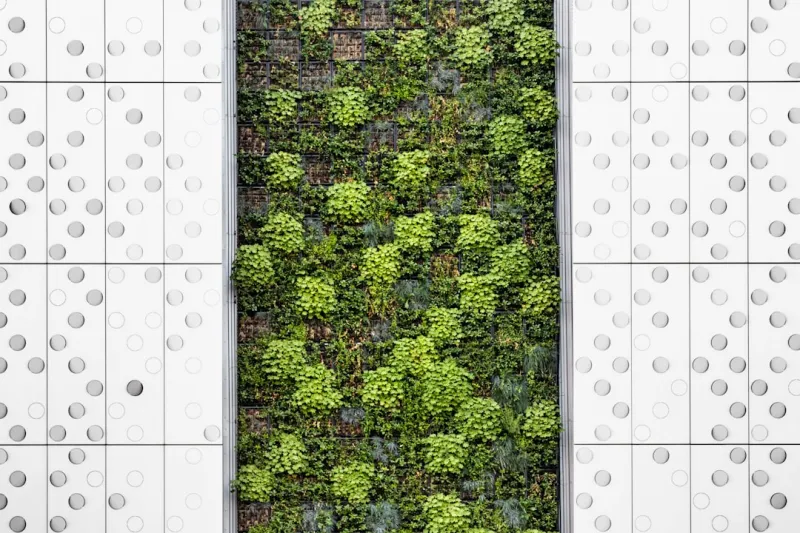
Creating a vertical garden using repurposed pallets and hydroponic systems is not only a fantastic way to beautify your home but also a sustainable choice that promotes environmental awareness. This DIY project allows you to utilize old wooden pallets to cultivate plants efficiently, saving space in your garden or home while producing fresh vegetables, herbs, or flowering plants. With urbanization on the rise, many people are struggling with limited space for gardening, making vertical gardens an ideal solution.
Hydroponics, the method of growing plants without soil by using nutrient-rich water, complements the vertical garden design beautifully. Combining pallets with hydroponics can help you grow healthier plants that boast faster growth and higher yields, all while conserving water. For beginners, this project is manageable, affordable, and rewarding. You’ll gain hands-on gardening experience and have a vibrant, green display that enhances your living space.
In this guide, we'll walk you through the necessary tools and materials, and detail the steps needed to create your own vertical garden with hydroponic techniques. No prior gardening experience is required—just a little patience and creativity!
Tools Needed
1. Drill - Necessary for making holes in the pallet and securing the components. A good quality drill will expedite the process and ensure your installations are secure.
2. Saw - A hand saw or jigsaw is essential for cutting the pallet and any additional wood pieces to size for your vertical garden design.
3. Screwdriver - Use this for attaching screws to secure the hydroponic components to the pallets effectively.
4. Stapler or Staple Gun - This tool is useful for affixing the landscape fabric to the back of the pallet, ensuring your plants stay secure in their designated spaces.
5. Measuring Tape - Accurate measurements are critical throughout the project, helping you to balance aesthetics and functionality in your design.
6. Level - A level will ensure that your vertical garden hangs straight, avoiding water pooling and providing balanced light for the plants.
7. Safety Goggles - Always prioritize safety when undertaking DIY projects. Protecting your eyes means you can work more confidently with power tools.
8. Gloves - When handling pallets and wood materials, gloves protect your hands from splinters and dirt, making for a more enjoyable building experience.
Materials
1. Repurposed Pallet (1-2 depending on size) - Choose a sturdy, well-constructed pallet to serve as the base of your vertical garden.
2. Landscape Fabric (1 yard) - This porous material will line the back and pocket areas to prevent soil and water from leaking out while retaining moisture for your plants.
3. Plastic Plant Pots (6-10, depending on the size of the pallet) - These will hold the plants and allow them access to the hydroponic solution.
4. Hydroponic System Kit (1) - Look for a basic kit that includes a reservoir, pump, and nutrient solution. You can also create your own DIY hydroponic system.
5. Nutrient Solution (1-2 liters) - This is needed for your hydroponic system, providing essential nutrients that your plants need to grow.
6. Sand or Gravel (1 bag, around 5-10 pounds) - Use sand or gravel to aid in drainage within the pots, ensuring your plants do not become waterlogged.
7. Wood Screws (1 pack, preferably 1.5-inch) - These help fasten various components together for a stable structure.
8. Hanging Hardware (1 set) - This includes brackets and hooks for securing your vertical garden to the wall or providing sufficient support if freestanding.
9. Watering Can or Hose - Useful for filling your hydroponic system’s reservoir and maintaining your plants.
10. Plants or Seeds (various, according to choice) - Choose herbs or small vegetables that thrive in hydroponic environments, such as basil, lettuce, or strawberries.
Introduction
The concept of vertical gardening has gained popularity due to urban living restrictions, allowing city dwellers to maximize their limited outdoor space. This project combines environmental sustainability by repurposing wooden pallets and increasing food security through hydroponics. Many people desire to grow their own food but often feel held back by a perception that gardening requires extensive space, experience, or expensive setups.
The beauty of repurposing pallets is that they can be acquired cheaply or even for free, allowing for a whimsical, personalized design that reflects your taste. Hydroponics, while seeming advanced to some, can be simplified with beginner-friendly systems that make the experience accessible and straightforward. This method also eliminates the need for chemical fertilizers and pesticides, leading to healthier plants and fresher produce.
Engaging in this DIY project not only benefits you by providing fresh herbs and vegetables, but also offers mental health benefits due to the joy of nurturing plants and engaging with nature. The act of creating something beautiful can boost your mood and instill a sense of accomplishment. As you follow each step outlined below, you'll discover that patience and attention to detail are key components to successfully crafting a stunning vertical garden that can withstand the test of time and environmental stressors.
Step-by-Step Guide
### Step 1: Prepare Your Pallet
What: Start by ensuring your repurposed pallet is clean and free of pests.
How: Sand down any rough spots and check for cracks or broken planks. You can use a mild detergent to clean the pallet. Once it’s dry, inspect it to make sure it’s still structurally sound; discard any pallets that are too damaged or treated with chemicals.
Tips: Using a sturdy pallet ensures your vertical garden won’t sag or break over time. If you’re unsure about the safety of a pallet, consider asking the supplier for the original treatment information.
Safety: Wear gloves to protect your hands from splinters and remember to work in a well-ventilated area while sanding or cleaning.
### Step 2: Design Your Layout
What: Plan how you want your plants to be arranged, factoring in size and light preferences.
How: Sketch out your layout, keeping in mind sun-appreciating plants should be positioned at the top to allow them the best light exposure. Think about the spacing needed for growth—certain plants may need more room than others.
Tips: Consider companion planting for mutual benefits; for example, pairing basil with tomatoes. Use a variety of plants to make your vertical garden visually appealing.
Safety: Ensure your design allows for easy access to all areas of the garden for maintenance and harvesting.
### Step 3: Attach Landscape Fabric
What: Line the back and sides of the pallet to retain soil and water.
How: Cut the landscape fabric to cover the desired areas of the pallet, using a staple gun to secure it in place. Make sure it’s taut but not overly tight to allow room for soil retention.
Tips: Fold the fabric over the edges of the wood to prevent any soil spillage; double-layering in pockets where pots will be installed increases durability.
Safety: Keep your fingers clear of the staple gun’s reach and monitor your surroundings while working to prevent workplace hazards.
### Step 4: Prepare Hydroponic System
What: Set up your hydroponic system to ensure your plants receive adequate nutrients.
How: Following your hydroponic system kit instructions, connect the reservoir to the pump. Make sure you choose a location that receives sufficient light and can facilitate water drainage. Fill the reservoir with water and add the nutrient solution as directed.
Tips: Test the pH levels of your solution; most plants thrive in slightly basic water (pH 6-7). Adjust if necessary with pH up/down solutions.
Safety: Use caution when working with the pump and electrical components; ensure cords are safely tucked away to avoid trip hazards.
### Step 5: Install Plastic Pots
What: Secure the plastic pots within the lined pockets of the pallet.
How: Drill holes into the pots for drainage and insert them into the pallet, ensuring they fit securely in the designated spaces. Use wood screws to attach the pots to the pallet if further security is needed.
Tips: Using pots that are slightly larger will provide more root space for plants as they grow.
Safety: Double-check that there are no sharp edges on the pots, as they could cause harm when handling.
### Step 6: Fill Pots with Growing Medium
What: Add sand, gravel, or hydroponic clay balls to the pots to facilitate drainage.
How: Fill the pots to about 3/4 full with your chosen medium. This will help support the plants and keep them moist without becoming waterlogged.
Tips: Layer the growing medium with a light topsoil or coco coir layer for better nutrient retention and seed germination.
Safety: Avoid overfilling the pots, and ensure the medium does not spill; clean any mess to prevent slips and falls.
### Step 7: Planting Seeds or Seedlings
What: Introduce your desired plants into the pots you prepared.
How: Following planting instructions specific to your choice of plants, either place seedlings into the medium or sow your seeds at the recommended depth. Water thoroughly to help settle the medium around the roots or seeds.
Tips: If you’re unsure about planting depth or fertilizer, consult plant guides or ask for advice at a local nursery. Don’t overcrowd pots to ensure proper plant growth.
Safety: Handle seedlings gently to avoid damaging them, and ensure you are aware of any plant-specific care that might be required.
### Step 8: Secure Hanging Hardware
What: Fasten your vertical garden to the wall or elevate, depending on your design.
How: Attach brackets or hooks according to the weight and size of your pallet, ensuring it is securely anchored. If not mounting on a wall, consider freestanding supports that provide balance.
Tips: Check with a level to make sure your vertical garden hangs evenly; this will guarantee consistent sunlight for all plants.
Safety: Make sure the hardware used can support the total weight of the fully planted garden; consult with a home improvement expert if in doubt.
### Step 9: Monitor and Adjust Watering Routine
What: Test and maintain the watering schedule for your hydroponic system.
How: Check the nutrient reservoir regularly, topping off and ensuring it is running correctly. Adjust the flow rate based on plant needs and environmental conditions.
Tips: Keep a water gauge handy to assist in tracking water levels, and set reminders for regular checks, particularly during hotter months when evaporation occurs more rapidly.
Safety: Avoid getting your electrical components wet to prevent shock hazards—assess your hydroponic setup frequently.
### Step 10: Harvesting
What: Now that your vertical garden is thriving, it’s time to enjoy the fruits of your labor!
How: Depending on what you planted, you can start harvesting at various intervals. Use clean scissors or pruning shears to snip herbs or vegetables, promoting continued growth.
Tips: Harvest selectively to ensure that plants continue to produce new growth, and consider varying your harvest times to experience a full range of flavors throughout their growth cycles.
Safety: Take care not to damage the root system when harvesting to maintain the health of the plants for future yield.
Troubleshooting
As with any DIY project, you may run into hiccups along the way. Here are five common issues and their fixes:
1. Waterlogged Soil: If you notice standing water, check for clogs in your drainage holes. Cleaning the drainage areas will help prevent water from pooling.
2. Wilting Plants: This could be due to under-watering or over-fertilizing. Adjust your nutrient solution by diluting if necessary, and verify your watering schedule.
3. Pest Infestations: Inspect your plants regularly for pests that can affect crops. Use neem oil or insecticidal soap as a natural means of deterrent, and keep your garden clean.
4. Insufficient Light: If your plants appear leggy or sparse, they might not be getting enough light. Consider relocating the garden to catch more sunlight or investing in grow lights.
5. Nutrient Deficiency: If leaves turn yellow, you may need to adjust your nutrient solution. Test pH levels and add appropriate nutrients based on the specific needs of your plants.
Conclusion
Building a vertical garden using repurposed pallets and hydroponic systems is an engaging project that enhances your home and recreational space while promoting sustainable gardening practices. Through a careful selection of tools and materials, followed by the detailed steps outlined above, anyone can create a thriving green wall that provides fresh produce, improves air quality, and beautifies the environment.
With a variety of plants to choose from, you can create diverse ecosystems tailored to your tastes. Maintenance is crucial; regularly monitor water and nutrient levels while keeping pests at bay.
Once you're comfortable with this design, consider variations such as expanding to multiple pallets, using different types of hydroponic systems, or experimenting with vertical gardening techniques such as vertical towers or hanging planters for an expanded gardening experience.