How to create a vertical garden using upcycled plastic bottles and old pallets
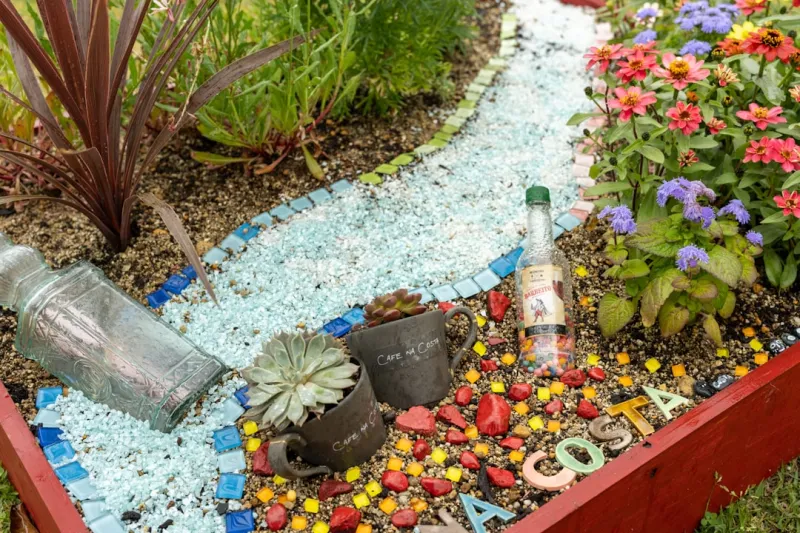
Creating a vertical garden using upcycled plastic bottles and old pallets is a fantastic DIY project that not only beautifies your space but also helps in reducing waste and promoting sustainability. In an era where environmental concerns are at the forefront, engaging in gardening projects that utilize recycled materials is both responsible and rewarding. This vertical garden will add greenery to your home or outdoor area while also making efficient use of limited space.
Vertical gardening is particularly suited for urban dwellings where yard space is minimal. Whether you want to grow herbs for cooking, vibrant flowers to enhance your decor, or lush foliage to improve air quality, this project provides the perfect opportunity to cultivate a variety of plants efficiently. Moreover, working with recycled materials not only saves money but also sparks creativity, allowing you to personalize your garden to suit your taste and style.
This project is designed for beginners, so don’t worry about your gardening or DIY skills. With a little patience and enthusiasm, you’ll create a stunning vertical garden. The process may seem daunting at first, but each step is manageable, and the satisfaction of seeing your creation flourish is immeasurable. Whether you’re creating this for yourself or a loved one, the journey will connect you with nature and foster a sense of accomplishment.
Let’s dive into the detailed guide on how to create your own vertical garden using upcycled plastic bottles and old pallets!
Tools Needed:
1. Utility Knife: Essential for cutting plastic bottles to the desired size. A sharp blade ensures clean cuts, providing better aesthetics and plant growth.
2. Scissors: Useful for trimming edges and adjusting any fabric or paint involved in the project. They are perfect for smaller adjustments where a knife might be too cumbersome.
3. Drill and Drill Bits: For creating drainage holes and securing the pallets if needed. A cordless drill is advantageous as it allows for mobility around the workspace.
4. Screwdriver: Helps in attaching the pallets to walls or other structures. A power screwdriver can speed up the process but a manual one works just fine.
5. Sandpaper: Essential for smoothing out rough edges on the pallets and plastic bottles, preventing injury and promoting longevity.
6. Paintbrush or Roller: If you choose to paint the pallets for a more finished look, this tool will help evenly apply the paint.
7. Watering Can or Hose: Necessary for watering your new vertical garden. You’ll need a convenient way to hydrate your plants after they are set up.
8. Gloves: Protects your hands while working, especially when handling the plastic and wood. Gloves can also prevent splinters from the pallets.
Materials:
1. Plastic Bottles: Approximately 10–15 bottles, depending on the size of your vertical garden. Look for bottles that are clear or colored based on your aesthetic preference.
2. Old Pallets: 1–2 pallets should be enough for a basic vertical garden. Ensure they are in good condition with no rotting wood.
3. Potting Soil: About 2–3 bags (depending on the number of plants) to fill the bottles and provide nutrients to your plants.
4. Plants or Seeds: Choose a variety of plants (10–15) like herbs, succulents, or flowers. Herbs like basil and thyme are great choices for culinary use.
5. Paint: 1 quart of exterior water-based paint if you wish to add color to the pallets for aesthetics.
6. Hanging Hooks or Wire: For securing the pallets if you are mounting them on a wall or fence.
7. Landscape Fabric or Geotextile: 1–2 yards to line the bottles and protect the roots while allowing for drainage.
8. Nails or Screws: A box (about 50) to securely attach all components and ensure the structure is stable.
9. Garden Labels: Optional but helpful to identify your plants, especially if you are working with multiple species.
10. Fishing line or twine: To secure plants if necessary; about 50 feet should suffice.
Getting Started: The Steps
Step 1: Gather Your Materials and Tools
Before starting any DIY project, preparation is key. Gather all your materials and tools in a designated workspace. Ensure you have:
- Plastic bottles (clean and dry)
- Old pallets (feasible)
- Potting soil
- Chosen plants or seeds
- Paint (if desired)
Tip: Selecting bottles of uniform size and shape adds visual coherence to your garden. If mixing sizes, plan your arrangement beforehand to maximize aesthetic appeal.
Step 2: Prepare the Pallet
Inspect the pallet for any visible damage. Sand it down to remove splinters and rough patches. Depending on your preference, you can paint it using exterior water-based paint for protection against the elements and to enhance its appearance. If you decide to paint, allow the pallet to dry completely before proceeding.
Safety Tip: Wear gloves while sanding and painting to protect your hands from splinters and paint.
Step 3: Prepare the Plastic Bottles
Remove labels from the plastic bottles, and wash them thoroughly to eliminate any residual glue or chemicals. Using the utility knife, carefully cut the bottles in half, approximately 1/3 of the way up. This will create two parts: the bottom portion, which will serve as a reservoir for soil and water, and the top portion, which will hold the plants.
Tip: Consider using bottles with wide mouths, as they are easier to work with and allow more soil and plant to fit.
Step 4: Drill Drainage Holes
Using your drill, create several small drainage holes at the bottom of each bottle. This is crucial to prevent overwatering and promote healthy root growth. A few holes per bottle should suffice, but ensure they are evenly spaced.
Tip: If you're concerned about water leakage, consider placing a deeper tray or dish below the pallet to catch any excess water.
Step 5: Line the Bottles
Cut sections of landscape fabric and place them at the bottom of each bottle to prevent soil from washing out while still allowing water to drain. This will create a barrier that makes for healthier plant growth.
Tip: Stapling or gluing the fabric in place can add extra security to keep it in position.
Step 6: Fill with Soil and Add Plants
Fill the bottom half of each bottle with potting soil, leaving some space at the top. Gently press it down to compact the soil, ensuring that it can retain moisture. Next, take your chosen plants or seeds and plant them in the soil, covering their roots properly.
Tip: For small herb plants, allow ample room for growth; avoid cramming too many plants into one bottle as this might lead to stunted growth.
Step 7: Assemble the Vertical Garden
Arrange the plastic bottles into the pallet, securing them in place. Here’s how:
- Position the bottles in the pallet’s slats.
- Either use screws or strong adhesive to secure them into the pallet if you wish for a more permanent setup.
Tip: Consider leaving the middle section open to provide easy access to plants or to allow for occasional rearrangement.
Step 8: Mount Your Vertical Garden
If you want to mount your vertical garden onto a wall, determine the best location where your plants will receive adequate sunlight. Using a level, attach the pallet to the wall using sturdy screws or nails. Ensure it is anchored well to support the weight of the soil and plants.
Safety Tip: When mounting on brick or concrete walls, drill appropriate-sized holes and use wall plugs to secure the screws effectively.
Step 9: Watering and Maintenance
After your vertical garden is in place, thoroughly water each plant. Be observant regarding drainage; too much water can lead to root rot.
To maintain this garden, check the moisture levels regularly and water accordingly, exposing plants to sunlight while protecting them from extreme weather and pests.
Tip: Incorporate a simple watering schedule to remind you when to hydrate your plants.
Step 10: Experiment and Enjoy!
Finally, sit back and take a moment to enjoy your new garden. Feel free to experiment with different plants, arranging them based on their light needs or visual appeal. If any plants thrive better than others, consider adjusting your choices.
Tip: Document the growth of your plants—consider keeping a garden journal to track progress and make notes for future projects.
Troubleshooting: Common Issues and Fixes
1. Mold Growth: If you notice mold on the soil surface, it could be a sign of overwatering. Reduce your watering frequency and ensure better ventilation.
2. Stunted Plant Growth: Poor growth may stem from inadequate sunlight exposure. Relocate your garden to a sunnier spot or choose a different plant variety that tolerates lower light.
3. Drainage Problems: If water pools at the bottom of the bottles, recheck your drainage holes. Make them larger or add more holes to improve drainage.
4. Pests: Keep an eye out for pests like aphids or spider mites. You can treat infestations with natural solutions such as soapy water or neem oil.
5. Falling Bottles: If any bottles unexpectedly detach, ensure that they were secured properly to the pallet. Use stronger adhesives or screws if necessary.
Conclusion
Creating a vertical garden using upcycled plastic bottles and old pallets is an enjoyable and eco-friendly way to introduce greenery into your home or outdoor space. This project not only enhances the aesthetics of your environment but also aligns with sustainability by repurposing materials that would otherwise end up in landfills.
As you embark on your vertical gardening journey, remember that there are many variations you can explore, including painting or decorating your pallets for added flair or experimenting with a wider variety of plants, such as flowers or vegetables.
Regular maintenance and care will ensure your garden thrives, resulting in a vibrant display of nature right at your fingertips. So, roll up your sleeves, gather your materials and enjoy the process of watching your vertical garden flourish and grow.