How to create a vertical garden using repurposed plastic bottles and reclaimed pallets
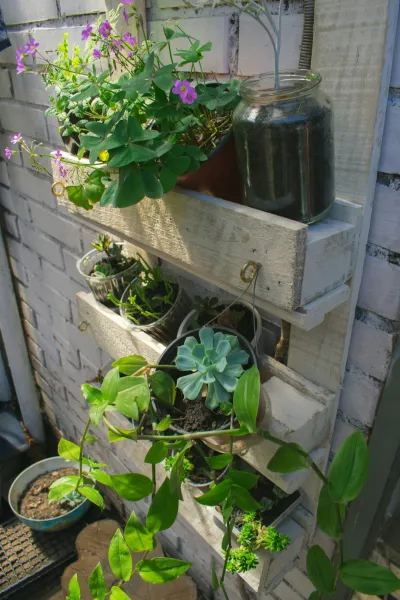
Introduction
In the era of urbanization and diminishing green spaces, many of us find ourselves yearning for a connection with nature amidst the concrete jungle. Creating a vertical garden using repurposed plastic bottles and reclaimed pallets presents a unique solution to this modern dilemma. Imagine transforming your balcony, wall, or even a small backyard into a verdant oasis brimming with vibrant greenery and colorful blooms—all while contributing to environmental sustainability.
This DIY project is not just about beautifying your space; it's about reclaiming waste and promoting an eco-friendly lifestyle. With over 1 million plastic bottles consumed every minute globally, finding innovative ways to repurpose these materials is crucial. Additionally, reclaimed pallets—often discarded after their initial use—can breathe new life into your gardening endeavors.
Whether you're a seasoned gardener or a complete novice, this project is designed to be manageable and fulfilling. The skills required are minimal, involving basic cutting and assembly techniques, making it suitable for individuals of all ages. You'll learn not just how to create a vertical garden but also how to cultivate plants effectively within it, ensuring a bountiful yield. This endeavor not only enriches your home environment but also nourishes your spirit as you cultivate life from waste.
Let's roll up our sleeves and dive into this sustainable project together!
Tools Needed
1. Scissors or Utility Knife: You'll need a sturdy pair of scissors or a utility knife to cut the plastic bottles into desirable shapes. Make sure they’re sharp to ensure clean, smooth cuts.
2. Power Drill with Drill Bits: A power drill will be essential for making drainage holes in the bottles as well as securing the pallets and bottles together, providing a sturdy structure.
3. Screwdriver: A screwdriver may come in handy for securing screws into the pallet, especially if you're using screws rather than nails to attach the structure.
4. Sandpaper or File: After cutting the bottles, the edges can be sharp. Sandpaper or a file will help smooth these edges, reducing the risk of cuts or snags.
5. Stapler or Staples: A heavy-duty stapler is useful for attaching the bottles to the pallet, providing a stable and secure fit.
6. Paintbrush (optional): If you choose to paint your pallets or add any waterproofing sealant, a paintbrush will help you apply it evenly.
7. Measuring Tape: Accurate measurements will ensure that your garden has a balanced and visually pleasing arrangement.
8. Gloves: Protect your hands while working with reclaimed materials, as they can sometimes have splinters or sharp edges.
Materials
1. Plastic Bottles (2-Liter or 1.5-Liter): 10-15 bottles depending on how extensive you want your garden to be.
2. Reclaimed Pallets: 1-2 wooden pallets, depending on the desired height and width of your vertical garden.
3. Staples or Screws: 20-30 staples or screws, to fasten the bottles to the pallet securely.
4. Potting Soil: 2-3 bags (depending on the number of bottles used), should be lightweight and well-aerated.
5. Plants/Seeds: Choose a mix of herbs, succulents, or small flowering plants—5-10 plants should suffice based on your bottle count.
6. Waterproof Sealant (optional): One can, used if you decide to protect your pallet from moisture and rot.
7. Twine or Wire (optional): For added stability and support, especially for trailing plants.
8. Paint (optional): If you wish to color your pallets for aesthetics, one can would suffice.
Steps to Create Your Vertical Garden
# ### Step 1: Gather Your Materials and Tools
Begin by assembling all your materials and tools in one convenient spot. Organizing your workspace will streamline the process, allowing you to move smoothly from one task to another.
Tip: If you're new to using power tools, familiarize yourself with their operation first. Read the instruction manuals and ensure you’re using them safely and correctly.
Step 2: Prepare the Plastic Bottles
Rinse and clean each plastic bottle thoroughly to ensure any residues or labels are removed. After that, using your scissors or utility knife, cut the bottles in half. You can make cuts in different orientations—horizontal cuts for wider planting areas or vertical cuts for narrow ones.
Safety Tip: Exercise caution while cutting. Take your time and make precise cuts to avoid accidents. Smooth out the edges with sandpaper to make handling easier and safer.
Step 3: Create Drainage Holes
Using your power drill, create multiple small holes in the bottom of each bottle. This will ensure proper drainage, preventing your plants from becoming waterlogged.
Tip: Space the holes evenly across the base of the bottle to allow optimal water flow. It may be wise to do this over a bucket to catch any plastic shavings.
Step 4: Choose and Prepare the Pallet
Inspect your reclaimed wooden pallet for any damage or rotting wood; it should be sturdy enough to hold the weight of the plants and soil. Sand any rough patches, giving particular attention to splinters.
Tip: If the pallet has been exposed to chemicals or is too old, consider sealing it with a waterproof sealant or line the inside with a tarp to prevent soil from falling through.
Step 5: Position Your Bottles
Decide how you want to position your bottles on the pallet—staggered or vertically aligned. Place them in a configuration that offers both aesthetic appeal and convenience for watering and harvesting.
Tip: Leave enough space between bottles to allow your plants to grow. You may also rotate them for sunlight exposure if your garden does not get uniform light.
Step 6: Secure the Bottles to the Pallet
Use a staple gun or screws to attach each bottle firmly to the pallet. Ensure that they are secure, as they will need to withstand various environmental conditions.
Tip: For a more stable installation, consider attaching the bottles at multiple points, both horizontally and vertically, to prevent them from swaying in the wind.
Step 7: Fill With Soil
Once all your bottles are securely attached, it’s time to fill them with potting soil. Leave some space at the top of each bottle so the soil doesn’t overflow when watering.
Tip: Gently compact the soil as you fill each bottle to help create a solid base for your plants or seeds.
Step 8: Plant Your Seeds or Seedlings
Choose your plants wisely based on the amount of sunlight your vertical garden will receive and your personal preferences. Herbs like basil, mint, and thyme are great for beginners and are fairly forgiving. Plant seeds according to the packet instructions or transplant seedlings with care.
Tip: If you’re planting a variety of plants, consider layering them based on their light requirements; let sun-loving plants occupy the higher spots.
Step 9: Water Your Plants
After planting, water the bottles thoroughly to help settle the soil and remove air pockets. During the first week, check daily to maintain moisture levels. Once established, adjust your watering routine according to the plant requirements.
Tip: Install a drip irrigation system if you'd like to automate your watering process. Consider the natural drainage from the top bottles to avoid waterlogging the lower ones.
Step 10: Choose an Ideal Location
Finally, select a suitable location for your vertical garden. It should be positioned to receive adequate sunlight while being protected from strong winds and harsh weather conditions. Either lean it against a wall or secure it in a standing position.
Tip: Regularly monitor the light conditions throughout the day to ensure your plants receive enough sunlight for optimal growth.
Troubleshooting Common Issues
1. Plants Wilting: This could indicate a lack of water. Ensure you’re watering your plants consistently. If they are overwatering, adjust your watering schedule accordingly.
2. Pallet Rotting: Check for excessive moisture collecting in the pallet. If this occurs, elevate the pallet slightly for better drainage or reinforce it with a waterproof liner.
3. Plants Not Growing: Poor growth could mean inadequate sunlight or nutrition. Ensure your garden is in a suitable light spot and consider the use of fertilizers tailored to your plants’ needs.
4. Bottles Falling Off: If some bottles are detached, they may have been insufficiently secured. Reinforce those connections with additional staples or screws, or reattach them with more secure methods.
5. Insect Infestation: Check plants regularly for pests. Applying a natural insecticide or introducing beneficial insects can help maintain a healthy garden.
Conclusion
Creating a vertical garden using repurposed plastic bottles and reclaimed pallets is an engaging, eco-friendly project that enriches your living space while redefining waste management. By repurposing materials often discarded, you not only beautify your environment but also foster a deeper appreciation for sustainable living.
This guide has equipped you with the tools and knowledge to embark on your gardening journey. As you gain experience, don't hesitate to explore variations—such as experimenting with different plant species or designing multi-tiered systems for greater visual impact. Remember, maintenance is key; regular watering, monitoring sunlight, and checking for pests will ensure the longevity and health of your vertical garden.
Happy gardening!