How to create a vertical garden using repurposed pallets and drip irrigation system
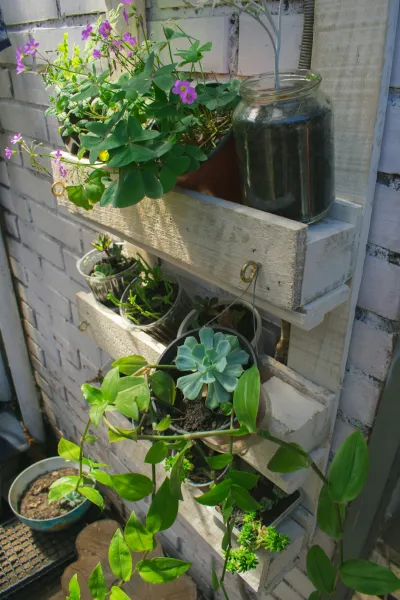
Tools Needed
1. Screwdriver or Drill: An essential tool for fastening and assembling the pallet structure and drip irrigation components. A power drill will speed up the process.
2. Saw: A handsaw or power saw will help you cut the pallet to size, making adjustments as necessary for your available space and desired design.
3. Stapler Gun or Heavy Duty Stapler: For securing landscaping fabric or weed barrier on the back of the pallet, ensuring that soil and plants remain in place.
4. Measuring Tape: A crucial tool for accurate measurement of the pallet and the position of the drip irrigation system, preventing mistakes.
5. Level: To ensure that your vertical garden is evenly placed and secured, helping with plant drainage and aesthetics.
6. Gloves: Protect your hands from splinters, dirt, and chemicals while handling pallets and soil.
7. Trowel: A small handheld tool to help plant your vegetables or flowers efficiently into the pallet pockets.
8. Pliers: Handy for bending or adjusting any wire components and securing drip irrigation tubes as needed.
Materials
1. Repurposed Pallet: 1-2 pallets, depending on your desired size and plant variety. Wooden pallets are sturdy and ideal for vertical gardening.
2. Landscaping Fabric: 1-2 yards, to prevent soil from falling out while allowing for proper drainage.
3. Soil: About 1 cubic foot or enough to fill the allocated spaces in the pallet, and preferably a lightweight potting mix engineered for vertical gardens.
4. Plants: Choose a mix of herbs, flowers, and small vegetables like lettuce or strawberries. Plan for around 10-15 plants.
5. Drip Irrigation Kit: 1 complete kit typically includes tubing, emitters, connectors, stakes, and a pressure regulator to ensure even watering.
6. Wood Screws: 1-2 packs, to secure the pallets and various components together.
7. Wood Stain or Sealant: Optional, about 1 quart for treating the pallets to ensure longevity and protect from the elements.
8. Plant Labels: Optional, about 10, to keep track of which plants you have included in your garden for easy maintenance.
9. Weight (like rocks or gravel): You may need some for setting the bottom of your pallets or ensuring sturdiness.
Introduction
Creating a vertical garden using repurposed pallets is an exciting and sustainable project that caters to both novice gardeners and green thumbs. As urban areas become more populated, spaces for traditional gardening are becoming scarce, making vertical gardening an ideal solution. Pallets, often discarded as waste, can be repurposed to create vertical gardens that not only save space but also utilize recycled materials. This project is adaptable, allowing anyone to design their garden according to their taste, space, and local climate.
On top of saving space and using sustainable materials, vertical gardening comes with an array of benefits. Improved air circulation, easier access for harvesting, and aesthetic appeal are just a few reasons why creating a vertical garden is worthwhile. The use of a drip irrigation system further enhances your garden's success. This smart watering technique saves water while ensuring that your plants receive consistent moisture, leading to healthier growth.
Even if you’re a beginner, you can tackle this project. With clear instructions and essential tools, anyone can implement this solution, regardless of gardening experience. So roll up your sleeves, get ready to unleash your creativity, and start transforming your space into a thriving, green oasis that reflects your personality.
Steps to Create a Vertical Garden
# ### Step 1: Select the Right Spot
What: Choose an ideal location in your yard, patio, or balcony.
How: Inspect areas that receive at least 6-8 hours of sunlight daily, ensuring it’s easy to access for maintenance and watering. Keep in mind the height of your garden—hanging vertical gardens can work well against fences or walls.
Tips: Consider the environment; are there nearby trees or structures that might provide too much shade? If not enough sunlight is available, you can always add grow lights.
Safety: Ensure the location is stable and can support the weight of the soil and plants when fully grown.
# ### Step 2: Prepare the Pallet
What: Clean and modify the repurposed pallet for planting.
How: Start by giving the pallet a good wash to remove dirt or chemicals. Ensure there are no sharp edges. If necessary, sand down rough spots to avoid splinters. You can also cut the pallet to your desired dimensions if it's too large.
Tips: If using a stained or treated pallet, ensure that it’s not contaminated with harmful chemicals that can leach into your soil and affect your plants.
Safety: Wear gloves while handling the pallets and use goggles when sanding to protect your eyes.
# ### Step 3: Attach the Landscaping Fabric
What: Prevent soil from falling through the holes in the pallet.
How: Lay the landscaping fabric over the back of the pallet. Using a stapler gun, staple the fabric securely across the board, folding the edges over the sides. Make sure to cover all sides to create individual pockets for the soil.
Tips: Cut excess fabric to avoid bulkiness, and ensure it is taut to help hold the soil.
Safety: Be cautious with the stapler, keeping fingers away from the staple area while stapling.
# ### Step 4: Add the Soil
What: Fill the pockets with your lightweight potting mix.
How: Scoop the potting mix using a trowel and fill the sections of soil to within an inch of the top of the fabric. Press down gently to remove air pockets but avoid compacting the soil too much.
Tips: If planting larger plants, be prepared to adjust soil depth or the amount of mix you'll need per pocket.
Safety: Be mindful of lifting techniques—bend from your knees, not your back, to avoid injury.
# ### Step 5: Arrange Your Plants
What: Choose and position your plants according to size and sunlight needs.
How: Start with larger plants at the bottom and smaller ones at the top. This arrangement ensures larger plants won’t overshadow the smaller ones, allowing them to receive adequate sunlight.
Tips: Use plants that have similar watering needs and can thrive together. Herbs like thyme, mint, or bush tomatoes can work well in a vertical setup.
Safety: Be cautious of the plants you select; some might irritate the skin during handling.
# ### Step 6: Install the Drip Irrigation System
What: Set up a drip irrigation system to keep your garden properly watered.
How: Follow the manufacturer’s instructions for the drip irrigation kit. Generally, you'll need to lay out the main tubing at the top and run it downwards to each plant pocket, securing with stakes. Attach emitters near the base of each plant, ensuring enough space for adjustment.
Tips: AdjustEmitters according to the water needs of each plant type. Test the system before planting to ensure everything is functioning properly.
Safety: Ensure that the irrigation components are securely attached to avoid leaks or water hazards.
# ### Step 7: Secure the Pallet
What: Ensure that your vertical garden is stable and safe.
How: Use additional screws, if required, to reinforce the pallet against the structure it’s mounted on (such as a wall or fence). Ensure it’s level with a level tool.
Tips: If you find the pallet unstable, consider anchoring it to the ground or wall for further support.
Safety: Be careful when using power tools and ensuring your ladder is secure if working at height.
# ### Step 8: Water and Monitor
What: Begin watering your new garden and monitor for issues.
How: Activate your drip irrigation system and allow it to begin watering. Keep an eye on moisture levels and adjust emitters or water intake as needed.
Tips: Check on your plants frequently during their initial growth phase—this will let you catch any potential issues early.
Safety: If using electricity to run the system, ensure all wires are kept away from water and are secured.
Troubleshooting
1. Pallet Rotting or Decomposing: If you notice that your pallet is rotting, make sure you have treated it properly with sealant. If rot occurs, consider replacing it or reinforcing with a more durable backing.
2. Water Leaks: If the drip system is leaking, check each connection for leaks. Make sure all fittings are tight, and consider using Teflon tape for threads or replacing faulty components.
3. Plants Wilting: This could be a sign of inconsistent watering. Adjust the emitters to ensure they’re getting enough water. If it’s too much water, check your soil drainage to alleviate waterlogging.
4. Insects or Pests: Keep an eye on your garden and treat any infestations organically first. Consider introducing beneficial insects or using insecticidal soap as a last resort.
5. Insufficient Light: If plants seem stretched or are not growing well, reevaluate their placement and consider relocating the garden to a sunnier spot or using grow lights, especially during the winter months.
Conclusion
Creating a vertical garden using repurposed pallets and a drip irrigation system can be a genuinely rewarding experience. It’s an excellent way to utilize otherwise wasted materials and make efficient use of your available space while adding a touch of greenery to your environment. With the steps outlined, you can design a flourishing garden that’s not only functional but also visually appealing.
Don’t hesitate to explore variations—perhaps using different styles of pallets, integrating planters, or experimenting with other plants like succulents or flowers for visual diversity. Maintenance is simple; ensure regular watering and monitor your plants for health, adjusting as necessary.
With patience and attention, your vertical garden can become an enriching part of your home or outdoor space. Happy gardening!