How to create a vertical garden using upcycled plastic bottles and repurposed wooden pallets
Introduction
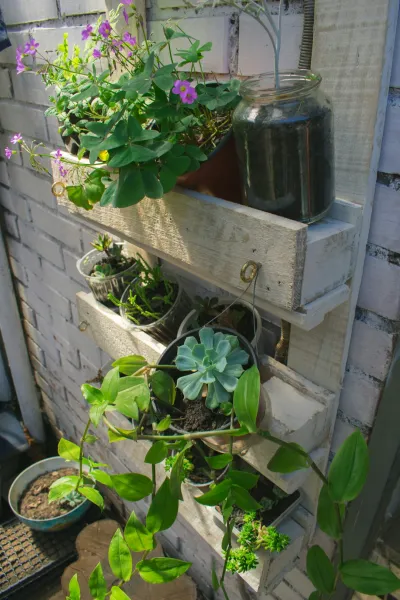
In a world increasingly aware of the importance of sustainability, many individuals are seeking creative ways to bring greenery into their lives while minimizing waste. One fantastic project that embodies this ethos is creating a vertical garden using upcycled plastic bottles and repurposed wooden pallets. This unique gardening solution not only contributes to environmental conservation by recycling materials but also provides a vibrant escape within our living spaces, no matter how limited they may be.
Vertical gardening is particularly advantageous for those living in apartments or homes with minimal yard space. By going vertical, you maximize space, ensuring that even the smallest areas can be transformed into lush sanctuaries filled with beautiful plants. Furthermore, vertical gardens can improve air quality, reduce noise pollution, and even offer fresh vegetables, herbs, or flowers right at your fingertips.
If you’re a beginner with little to no gardening experience, fear not! This project is designed to be beginner-friendly, requiring only basic skills and common tools. You can embark on this rewarding creative journey with just a few materials and a touch of imagination. Embrace the opportunity to recycle old household items while cultivating a little piece of nature in your own home.
Tools Needed
1. Scissors or utility knife: Essential for cutting plastic bottles to create planters and modify wooden pallets as needed.
2. Drill with drill bits: Useful for making holes in the bottles and pallets to ensure proper drainage and secure planting.
3. Screwdriver: Necessary for tightening screws to hold pallets together or to attach them to a wall, ensuring structural integrity.
4. Sandpaper: Helps smooth rough edges on the wooden pallets, making them safer to handle and preventing any splinters.
5. Marker or pen: Handy for marking measurements on plastic bottles and pallets before cutting or drilling to ensure precise cuts.
6. Ruler or measuring tape: Important for precise measuring of both the bottles and pallets to achieve the right sizes for your vertical garden.
7. Staple gun: Useful for securely attaching plastic bottles to the wooden pallets, ensuring they are stable and can hold soil and plants.
8. Gloves: Protect your hands from sharp edges on the bottles and pallets, as well as soil and chemicals while gardening.
Materials
- Plastic Bottles: 10–15 empty plastic beverage bottles (ensure they are clean and dry).
- Wooden Pallets: 1–2 standard-sized wooden pallets (check for damage and ensure they are safe to use).
- Potting Soil: 2 bags (approximately 8-10 quarts each) to fill your planters adequately.
- Plants: A selection of 10–15 small plants or seeds (consider herbs, succulents, or flowers).
- Screws: 1 box of outdoor screws (1.5-inch length) to secure the pallets and create a sturdy structure.
- Landscape Fabric or Mesh: 1 roll (approximately 10-20 feet) to create a barrier that holds soil in the bottles while allowing drainage.
- Paint or Outdoor Sealant: Optional – 1 can to protect wooden pallets from weather elements if used outdoors.
- Watering Can or Spray Bottle: For easy watering once your plants are in place.
- Optional Plant Food or Fertilizer: To provide nutrients to your plants for the best growth.
Step 1: Gather Your Materials
The very first step towards your vertical garden is gathering all the necessary materials and tools. Ensure that your plastic bottles are clean and dry to prevent any mold or unwanted smells. Use your ruler or measuring tape to check dimensions and prepare your workspace.
Tips:
- Make sure to collect various sizes of bottles to create a visual dynamic in your garden.
- Wooden pallets can often be found for free or at local hardware stores—check for broken pallets that can be repurposed.
Safety:
- When handling sharp tools, always follow safety protocols such as cutting away from your body and wearing gloves.
Step 2: Prepare the Plastic Bottles
Next, it’s time to prepare your plastic bottles. Start by removing any labels. Then, using scissors or a utility knife, cut each bottle in half, making sure one half has a larger opening for planting and the other (the bottom) will act as a reservoir.
Tip:
- You might want to make multiple small drainage holes at the bottom part of each bottle to ensure good water drainage.
Safety:
- Always handle blades carefully and be cautious of your fingers while cutting.
Step 3: Paint and Decorate the Pallet (Optional)
Now is your chance to make your vertical garden stand out! If desired, paint or stain your wooden pallet with an outdoor sealant or a non-toxic paint. This step will protect the wood and add a splash of color to your garden.
Tips:
- Use eco-friendly paint to remain consistent with your recycled theme.
- Make sure to let the paint dry completely before proceeding to the next steps.
Safety:
- Ensure you are in a ventilated area when painting to avoid inhaling fumes.
Step 4: Secure the Landscape Fabric or Mesh
Lay your pallet flat and attach landscape fabric or mesh to the back of the pallet. This layer will help hold the soil in place while allowing excess water to drain out.
Steps:
- Cut a piece of fabric or mesh large enough to cover the back of the pallet.
- Use a staple gun to secure the fabric tightly.
Tip:
- Leave a small overhang on the sides to make it easier to deal with soil later on.
Safety:
- Be cautious while using a staple gun and keep fingers out of the way while stapling fabric.
Step 5: Attach the Bottles
Now it's time to attach the prepared plastic bottles to the pallet. Start from the bottom and work your way up, ensuring they are secured tightly so they won’t fall out.
Steps:
- Use screws to secure the bottles to the wooden pallet, or if you prefer, you can use chicken wire or zip ties for a flexible hold.
- Alternate the positioning and keep some bottles horizontal for variation.
Tips:
- Position the openings of the bottles facing downwards at a slight angle to facilitate drainage.
Safety:
- Take care with screws and ensure your workspace is hazard-free.
Step 6: Fill Bottles with Potting Soil
Once your bottles are attached, it’s time to move onto planting. Fill each bottle with potting soil, leaving a bit of space at the top for your plants or seeds.
Steps:
- Gently pat down the soil to eliminate air pockets.
- If using seeds, plant them according to package instructions or place your small plants in the soil.
Tips:
- Mix in fertilizer at this stage for an added nutrient boost.
Safety:
- Use gloves while filling bottles with soil to keep your hands clean.
Step 7: Water Your Plants
With your plants in place, give them some water! Use a watering can or spray bottle to moisten the soil without over-soaking it.
Tips:
- Water your plants from the top down slowly and ensure the water seeps through the bottom, providing adequate hydration.
Safety:
- Water only during times when you’re alert to avoid overwatering or flooding.
Step 8: Hang Your Vertical Garden
Finally, it’s time to hang your vertical garden! Choose a location that receives plenty of sunlight and is easily accessible for maintenance.
Steps:
- Securely attach the pallet to the wall using heavy-duty screws and anchors for sturdiness.
Tips:
- If applicable, consider using hooks and chains for an adjustable hanging option.
Safety:
- Ensure that the pallet is securely fastened to prevent accidents or damage later.
Troubleshooting
1. Poor Drainage: If water collects at the bottom of your bottles, double-check your drainage holes. You may need to increase the number of holes or enlarge them.
2. Plants Wilting: If your plants look unhealthy, ensure they’re receiving enough water but not too much. Over-eager watering can lead to root rot.
3. Pallet Stability: If the pallet feels wobbly or unstable, check the screws and anchors. Tighten them as needed or add additional screws for more support.
4. Bugs or Pests: Keep an eye out for unwanted pests. An organic pesticide or neem oil solution can help protect your plants. Regularly inspect and maintain the garden.
5. Sunlight Requirements: If certain plants are not thriving, verify that they receive the appropriate amount of sunlight each day. Adjust their position or replace them with more suitable species.
Conclusion
Creating a vertical garden using upcycled plastic bottles and repurposed wooden pallets is not only a rewarding project that minimizes waste, but it also brings greenery into your living space, creating an invigorating atmosphere. You’re now equipped with actionable steps to complete the project, along with troubleshooting tips to keep your garden flourishing.
As you gain confidence, consider experimenting with different plant types, colors, and arrangements. You can even expand your vertical garden into multiple pallets or introduce additional layers using other upcycled materials. With routine maintenance—such as watering, checking for pests, and controlling sunlight exposure—your vertical garden can become a stunning focal point in your home or outdoor area.
Now, gather your materials, roll up your sleeves, and get ready to enjoy a unique and sustainable gardening experience that not only beautifies your space but also reflects your commitment to a greener planet.