How to create a vertical garden using repurposed plastic bottles and a wooden pallet
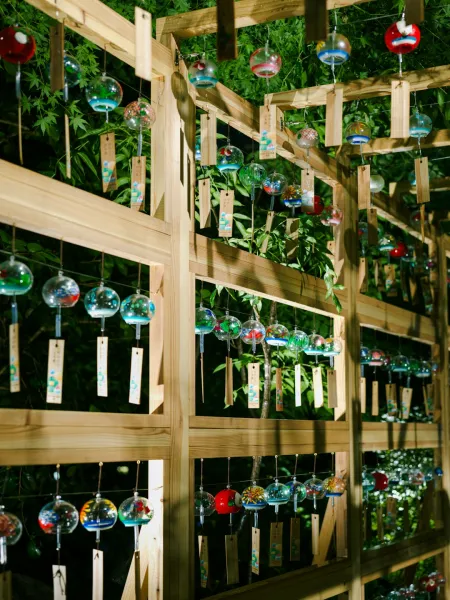
Creating a vertical garden is one of the most eco-friendly and creative ways to utilize outdoor or indoor spaces, and it can be an immensely satisfying DIY project. For beginner gardeners or those with limited space, crafting a vertical garden out of repurposed plastic bottles and a wooden pallet will not only beautify your living environment but will also contribute to sustainability by reducing waste.
This project allows you to harness your creativity while engaging with nature and enjoying the numerous benefits of home gardening. Whether you choose to fill your vertical garden with herbs, succulents, flowers, or vegetables, a vertical garden provides several advantages. It not only maximizes your growing area but also helps to improve air quality, encourages biodiversity, and provides fresh produce right at your fingertips.
Benefits of Vertical Gardening
- Space Efficiency: By growing plants vertically, you can cultivate more in less space, making it ideal for urban living or limited backyard space.
- Improved Airflow: Vertical gardens encourage better air circulation, reducing the risk of diseases associated with climate-influenced mold and pests.
- Aesthetic Appeal: A vertical garden acts as a stunning focal point, enhancing the overall beauty of your home or garden.
- Accessibility: Raised plants can make gardening easier to manage, particularly for individuals who may have difficulty bending or kneeling.
Skill Level
This DIY project is beginner-friendly and requires minimal skills. While it does involve tools and some physical labor, anyone with a spirit of adventure and willingness to learn can successfully create a beautiful vertical garden with the help of this comprehensive guide.
Tools Needed
1. Drill and Drill Bits: To make holes in the wooden pallet and plastic bottles for drainage and air circulation. A power drill will expedite this process.
2. Screws: These will secure the plastic bottles to the wooden pallet, ensuring structural stability for your garden.
3. Utility Knife or Scissors: Essential for cutting the plastic bottles to the desired size. A strong utility knife or sharp scissors will yield clean cuts.
4. Pliers: Helpful for twisting and securing wires or any additional supports to stabilize your garden.
5. Sandpaper: To smooth the edges of any cuts you make in the pallet or plastic, which helps prevent splinters or cuts during installation.
6. Garden Trowel: Useful for planting and transplanting your chosen greenery into the bottles or arranging the soil mix. A trowel makes work easier.
7. Gloves: Protect your hands during planting and assembly. Gardening gloves are essential to prevent injury or irritation from dirt and debris.
8. Watering Can or Spray Bottle: Handy for watering your plants once they are planted in their vertical home. A spray bottle can also help in gently misting seedlings.
Materials
1. Wooden Pallet: 1 standard-size pallet (usually 48"x40"). Ensure it’s clean and free of chemicals.
2. Plastic Bottles: 10-15 two-liter bottles or one-liter bottles, depending on the desired plant spacing. Use bottles with wide openings for easy planting.
3. Soil: 2-3 bags of good-quality potting soil suited for your chosen plants. Ensure it has good drainage properties.
4. Draining Rocks or Gravel: 1 bag, to place at the bottom of each bottle to assist with water drainage.
5. Paint or Wood Sealer: If you wish to decorate or protect your pallet from elements, use outdoor-safe paint or sealer.
6. Twine or Wire: A roll to secure the bottles or support climbing plants if required.
7. Organic Fertilizer: 1 bag to mix into the soil for optimal plant growth.
8. Plants or Seeds: Choose according to your climate and preference (herbs, flowers, etc.). For beginners, consider plants like basil, mint, or succulents.
Step-by-Step Instructions
# ### Step 1: Prepare Your Wooden Pallet
Begin by selecting a solid wooden pallet that’s free of any cracks, loose boards, or chemicals. Sand down any rough areas to prevent splinters. If desired, you may choose to paint the pallet with an outdoor-friendly paint or apply a wood sealer for added moisture resistance. Tip: Lightly staining the pallet can not only protect it but also enhance its appearance.
# ### Step 2: Clean Your Plastic Bottles
Thoroughly rinse and clean all plastic bottles to remove any residues or labels. You can soak them in warm, soapy water if necessary. After cleaning, cut the bottles in half or according to your desired height, ensuring that the top has a sufficient opening for planting. Safety Tip: Use a utility knife carefully to avoid injury; point away from your body at all times.
# ### Step 3: Drill Holes into the Bottles
Using your drill, make several holes at the bottom of each cut plastic bottle for drainage. This is a crucial step as it allows excess water to escape, preventing root rot. You may also want to create small ventilation holes to allow for air exchange. Tip: Reliable drainage will contribute to healthier plants, particularly during heavy rain.
# ### Step 4: Attach the Plastic Bottles
Position the bottles vertically on the wooden pallet, considering the spacing based on plant height. Secure each bottle using screws or twine. You may choose to position the bottles horizontally or at an angle, depending on aesthetics and plant type. Tighten them to ensure they don’t wobble or fall off. Tip: Consider staggering the bottles to create a more visually appealing arrangement.
# ### Step 5: Prepare the Soil Mixture
In a large container, mix your potting soil with organic fertilizer. This mixture supports better drainage and provides essential nutrients for your plants. The quantity will depend on how many bottles you’ve attached to the pallet, but aim for enough to adequately fill each bottle. Tip: Make the soil mixture slightly damp, as this will make it easier to pack into the bottles.
# ### Step 6: Fill the Bottles with Soil
Begin filling each plastic bottle with the soil mix until it’s about three-quarters full. Add a layer of draining rocks or gravel at the bottom of the bottle before the soil to further enhance drainage. Pack the soil down lightly to ensure stability for the plants. Safety Tip: Avoid overpacking to allow for root growth without restricting space.
# ### Step 7: Plant Your Chosen Plants
Now it’s time to plant! Choose small seedlings or seeds based on your preference. If you’re using seedlings, ensure they have adequate root development to transplant. Plant them around 1-2 inches deep depending on the species, and gently pack the soil around their bases. Tip: Plant herbs like basil and mint in the top bottles, as they tend to grow taller.
# ### Step 8: Water Your Vertical Garden
Once your plants are in place, thoroughly water the bottles, ensuring that the water drains properly. This helps settle the soil around the root systems and provides initial hydration. Tip: Using a spray bottle can help mist the plants without overwhelming them with water.
# ### Step 9: Position Your Vertical Garden
Position your wooden pallet vertical garden in a location that receives adequate sunlight based on the needs of your plants. You might need to secure the pallet, especially if it tends to wobble. Consider leaning it against a wall or securing it into the ground. Tip: For potted plants, you may rotate the pallet to ensure uniform sunlight exposure.
# ### Step 10: Regular Care and Maintenance
Keep an eye on your vertical garden regularly, checking for dry spots or wilting plants. Ensure that the soil remains moist but not waterlogged. You may need to prune plants or replace any that do not thrive. Tip: Set an alarm to remind you to water your garden at regular intervals.
Troubleshooting Common Issues
Even the most seasoned gardeners can face challenges. Here are a few common problems with solutions:
1. Root Rot: If you notice yellowing leaves or a foul smell, your plants may be suffering from excess moisture. Ensure proper drainage is established by checking the holes at the bottom of each bottle and reducing the watering frequency.
2. Pests: Small insects like aphids or spider mites can invade your garden. Use neem oil or insecticidal soap as a natural remedy. Regularly inspect plants for signs of infestation.
3. Insufficient Sunlight: If your plants are not thriving, they may need more light. Rotate your vertical garden or move it to a sunnier location.
4. Nutrient Deficiency: Pale leaves can indicate a lack of nutrients. Use a diluted organic fertilizer periodically to replenish nutrients in the soil.
5. Overcrowding: If plants are growing too closely together, they can compete for resources. Thin out plants as necessary to allow for healthier growth and better airflow.
Conclusion
Creating a vertical garden out of repurposed plastic bottles and a wooden pallet is not just a fun DIY project; it's a celebration of eco-friendliness and creativity. Through the careful selection of materials and diligent maintenance, your vertical garden can flourish, offering both beauty and functionality.
Explore variations by painting or decorating your pallet differently, or consider varying plant species for aesthetic diversity. Remember, regular maintenance and adjustment are essential for keeping your garden healthy. Embrace the beauty of nature and the environment while enjoying the fruits (and herbs) of your labor.