How to create a vertical garden using repurposed plastic bottles and ropes
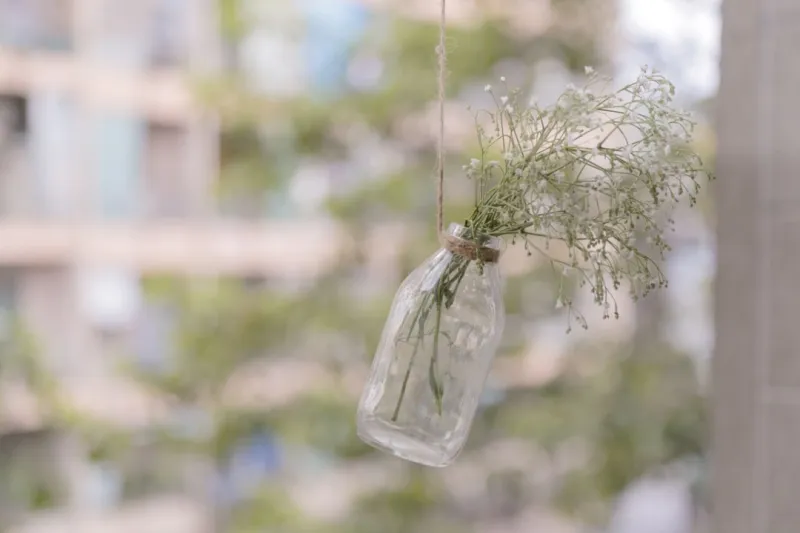
Creating a vertical garden using repurposed plastic bottles and ropes is not only an exciting project but also an environmentally friendly initiative that promotes sustainability. As urban living spaces are shrinking and gardens are becoming increasingly rare, vertical gardens are a fantastic solution to enhance any living area, balcony, or patio. By using items that would otherwise end up in a landfill, you contribute positively to the environment while creating a personalized green space.
Vertical gardens allow you to grow a variety of plants including herbs, flowers, and small vegetables, maximizing your available space. One of the biggest benefits of vertical gardening is that it can improve air quality, enhance aesthetics, and reduce the temperature around your home—making it cooler during hot days. Additionally, gardening has therapeutic benefits, fostering relaxation and a sense of accomplishment.
This DIY project is perfect for beginners who want to try their hands at gardening without the need for extensive training or a green thumb. You’ll find that making your vertical garden with repurposed materials is not only fun but also budget-friendly. With just a little time, creativity, and effort, you can transform ordinary plastic bottles into a vertical garden masterpiece that brings both joy and greenery to your life.
Tools Needed
1. Craft Knife: You’ll need a sharp knife to cut the plastic bottles. A craft knife offers precision and ease of use.
2. Drill with Bits: A drill is essential for creating holes in the bottles and for affixing the frame to the wall or another vertical support if needed.
3. Measuring Tape: For accurate measurements to ensure even spacing and alignment when hanging your bottles.
4. Markers: Use markers to note where you will cut and drill holes, facilitating clean lines and a professional-looking finish.
5. Rope or Twine: This will serve as the main support for hanging your bottles. Ensure it's sturdy enough to hold the weight of the bottles and soil.
6. Gloves: Protect your hands through the cutting and drilling process with durable gardening gloves.
7. Bucket or Container: To catch any water runoff when you’re watering your plants, especially if you’re working indoors.
8. Watering Can or Bottle: For easy and controlled watering of the plants once they’re in place.
Materials
1. Plastic Bottles: Approximately 10-15 bottles (1.5-liter or 2-liter size) depending on how large you want your garden to be.
2. Rope: About 20 feet of strong, durable rope or twine.
3. Potting Soil: 1-2 bags of potting soil suitable for the plants you plan to grow.
4. Plants/Seeds: Select a mix of plants like herbs (e.g., basil, mint), flowers, or small leafy vegetables (e.g., lettuce).
5. Water Drainage Stones: 1 bag of small stones to facilitate drainage at the bottom of each bottle.
6. Extra Plastic Mesh or Netting: Cut into small pieces to line the top of the bottles for soil retention.
7. Wall Hooks or Anchors: A set of hooks or anchors to secure your garden against a wall or fence.
8. Plastic Sheet or Tray: To catch excess water drainage if placing your vertical garden indoors.
9. Fertilizer: Organic slow-release fertilizer to ensure your plants have the necessary nutrients.
Step 1: Preparation of Bottles
Start by gathering your plastic bottles and removing any labels. Rinse them out to remove any residue and then let them dry completely. Using your craft knife, carefully cut each bottle in half horizontally, ensuring that you leave enough depth in the bottom half to hold soil and plants. The top half can be used as a "cap" or be discarded. Tip: Take your time with this step—making clean cuts ensures your bottles will sit snugly on each other.
Step 2: Adding Drainage
To prevent water from pooling and causing root rot, drill a few small holes in the bottom of each half of the bottle. These holes will allow excess water to escape, promoting healthy plant growth. Safety Tip: Always cut away from yourself and use protective gloves to prevent any injuries while drilling.
Step 3: Designing the Layout
Decide how many bottles you want to use and sketch out a simple design for your vertical garden. Consider spacing between each bottle and how they will be stacked. Generally, a staggered arrangement not only looks aesthetically pleasing but also provides ample sunlight for each plant. Tip: Consider the sun exposure in your chosen location to help determine the plant placement.
Step 4: Securing the Bottles
Using the rope, measure and cut lengths that will connect each bottle. Securely knot the rope to ensure that each bottle is stable when suspended. You can hang them from a horizontal beam or tie them vertically to a sturdy wall. Ensure that the knots are tight and that the bottle is well-supported. Tip: Use a friend to help hold the bottles while you tie the knots for better accuracy.
Step 5: Adding Drainage Stones
Before filling the bottles with potting soil, pour a layer of drainage stones into the bottom of each half. This will help prevent waterlogging and create better airflow for the roots. Aim for a layer about one inch deep at the bottom of each bottle. Tip: This also keeps the soil from washing away through the drainage holes.
Step 6: Filling with Soil
After adding drainage stones, fill each bottle with potting soil, leaving about an inch of space at the top for planting your seeds or young plants. This should be done with care to avoid spilling soil. It’s important to use good quality potting soil tailored to the specific plants you have selected for the garden. Tip: Moistening the soil beforehand can make it easier to pack into the bottles without creating air pockets.
Step 7: Planting
Now comes the fun part—planting! Whether you are using seeds or seedlings, gently place them into the soil, ensuring that they are at the same depth as they were in their original containers. Firm the soil around the base of the plants for support. Tip: Try different combinations of plants for a more vibrant and diverse vertical garden!
Step 8: Watering and Fertilizing
Once you’ve planted all your herbs and plants, lightly water each one to settle the soil. Be careful not to overwater, as this can wash the soil out through the drainage holes. After a week or two, add a slow-release organic fertilizer to give your plants a nutrient boost. Tip: Monitor how quickly the soil dries and develop a watering routine based on your plants' needs.
Step 9: Installing Your Vertical Garden
Find a suitable space on your wall, balcony, or fence where you want to install your vertical garden. Use wall hooks or anchors to secure the bottles in place. Make sure to double-check the stability of your hangings during installation. Safety Tip: If you’re working with heavy bottles, make sure that the structure you’re hanging them on can support their weight.
Step 10: Maintenance
Regular maintenance is crucial for the health of your vertical garden. Ensure that you water your plants according to their requirements, trimming back any dead leaves or stems as needed. Monitor for pests and diseases, and act promptly to prevent damage. Tip: Rotate the bottles occasionally if you notice that certain plants are leaning towards the light, ensuring that all plants receive equal sun exposure.
Troubleshooting
1. Water Drainage Issues: If water is pooling at the bottom of your bottles, check the drainage holes for clogs. You may need to enlarge them to improve drainage.
2. Plants Wilting: This might be due to either overwatering or underwatering. Stick your finger into the soil; if it feels dry an inch down, it’s time to water.
3. Bottles Falling: If your bottles start to slip or fall, reassess your knotting technique and consider reinforcing the mounting points. Stronger rope or additional hooks may be necessary.
4. Unhealthy Plants: If your plants are not thriving, check the amount of sunlight they receive. Rotate your bottles or consider relocating them if they are too shaded.
5. Pests: Common pests can invade your garden. Spraying with a gentle insecticidal soap can help combat these without harming your plants. Regularly inspect for the first signs of pests.
Conclusion
In summary, creating a vertical garden with repurposed plastic bottles and ropes is an engaging and sustainable project that offers numerous benefits—from beautifying your space to providing fresh produce. With the right tools and materials, even beginners can create a vibrant and functional vertical garden.
Feel free to experiment with design variations, such as changing the arrangement of the bottles or trying different plant combinations for added flair. Maintenance is minimal, and the rewards of watching your plants grow are plentiful. Enjoy the beauty and health benefits of your new garden!