How to create a vertical indoor herb garden using repurposed plastic bottles
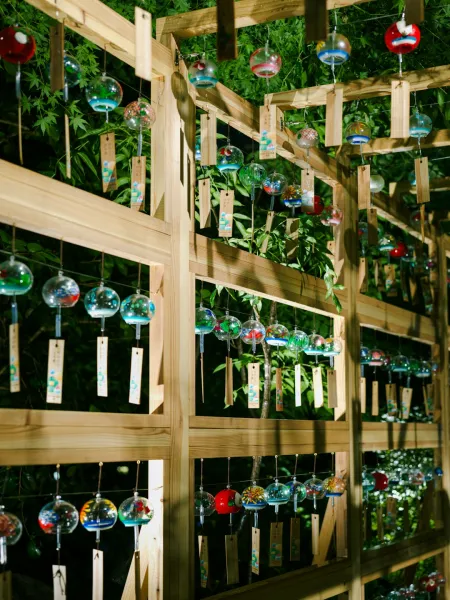
Creating your own indoor herb garden is a rewarding project that combines sustainability, creativity, and the joy of growing your own fresh herbs. Not only does it add a vibrant touch to your home decor, but it also provides a continuous supply of fragrant herbs for cooking, enhancing dishes with a fresh flavor that store-bought herbs often lack. Additionally, using repurposed plastic bottles contributes to environmental preservation by reducing waste, making this DIY project an excellent choice for eco-minded individuals.
In today's fast-paced world where urban living is the norm, finding space for a garden can be a challenge. A vertical herb garden is perfect for maximizing space, as it utilizes vertical areas of your home that may otherwise be neglected. This project is suitable for beginners, requiring minimal tools and skills but yielding significant rewards. By the end of this guide, you will feel confident in creating your own vertical indoor herb garden, enriching your culinary experiences while promoting a more sustainable lifestyle.
Tools Needed
1. Utility Knife or Scissors: Essential for cutting the plastic bottles. A utility knife is more precise, while scissors are easier for beginners.
2. Drill with Drill Bits: Used to create drainage holes at the bottom of your bottles. Adequate drainage is crucial for healthy herb growth.
3. Screwdriver: Necessary for securing the bottles to a wooden frame or wall. A screwdriver allows for better control when attaching components.
4. Sandpaper: Useful for smoothing the edges of cut bottles to prevent injury and ensure a tidy finish.
5. Ruler or Measuring Tape: Helps in measuring your bottles and spacing them accurately on the frame or wall.
6. Pencil or Marker: Used for marking where you will cut or drill, ensuring accuracy in your work.
7. Gloves: Protect your hands while handling scissors or the drill; safety first!
8. Watering Can or Spray Bottle: For watering your herbs after planting; a spray bottle can help you moisten the soil without overwhelming your plants.
Materials
1. Plastic Bottles: 5–8 bottles, preferably 1- or 2-liter size; these will act as the planter containers for your herbs.
2. Wooden Board or Pallet: 1 piece, around 2 feet tall and 1 foot wide; this will support your vertical garden.
3. Nails: About 20; for securely attaching the bottles to the wooden board.
4. Soil: 2–3 bags of potting soil; essential for providing nutrients to your herbs.
5. Herb Seeds or Seedlings: 5-8 packets or small pots; choose your favorite herbs for planting—basil, thyme, cilantro, etc.
6. Decorative Paint or Stain: Optional; 1 can; to finish the wooden board and enhance décor.
7. Plastic Tray or Saucer: 1 or 2; to catch excess water from the bottles.
8. Twine or Rope: Optional; for hanging the garden if you choose a freestanding display.
9. Plant Labels: Optional; to help identify the herbs as they grow.
10. Plastic Wrap: 1 roll; for covering soil initially to maintain moisture until the seeds germinate.
Intro
In an age focused on sustainability and self-sufficiency, creating a vertical indoor herb garden using repurposed plastic bottles is an ideal project for urban dwellers and cooking enthusiasts alike. This endeavor allows you to reclaim plastic waste, turning it into vibrant, functional decor while also providing you with fresh ingredients right in your home. With easy access to garden-fresh herbs, you'll enhance your cooking and impress guests with a sprinkle of gourmet flavor—whether it be basil in a tomato sauce, cilantro in a refreshing salsa, or mint in a refreshing drink.
This project is beginner-friendly and can be completed in a few hours, making it ideal for anyone, regardless of gardening experience. You'll learn the basics of planting, watering, and caring for your herbs, as well as how to construct a unique vertical garden that not only conserves space but beautifies your living environment. Plus, growing your own herbs is an excellent way to engage with nature, even within the confines of city life.
Throughout this DIY project, you'll explore ways to refine your gardening skills while fostering a sense of accomplishment and connection to nature. Whether you have a single windowsill or an entire wall to spare, your vertical herb garden will thrive and flourish, proving that green thumbs can grow in even the smallest spaces!
Step-by-Step Guide
Step 1: Gather Your Tools and Materials
What: Before diving into the project, it’s important to gather all necessary tools and materials.
How: Gather your tools and materials in one place to ensure you have everything for a smooth workflow. Organizing your workspace helps prevent rushing, misplacing items, or having to interrupt the process to find missing components.
Tips: Lay out your tools next to your work area. Consider labeling your materials to visualize the setup. This also streamlines the process, making the work more efficient.
Safety: While working with sharp tools, always be cautious. Wear gloves to protect your hands and ensure appropriate eye protection if using a drill or sharp knives.
---
Step 2: Prepare Your Plastic Bottles
What: Clean and prepare your plastic bottles for planting.
How: Rinse out each bottle thoroughly with water to remove any residues; if it was previously used for beverages, especially sugary ones, neglecting this step could attract pests. With a ruler or measuring tape, mark lines where you will cut each bottle in half—these lines should be about 4-6 inches from the bottom to create a base for planting.
Tips: Use a utility knife for cleaner cuts, but do so slowly and carefully to maintain control over the blade. Consider letting your bottles soak in soapy water for a few hours if they are particularly dirty—this makes cleaning easier.
Safety: Be cautious when cutting bottles; scoring the bottle with a knife before cutting through can help prevent slipping.
---
Step 3: Drill Drainage Holes in the Bottles
What: Drill holes in the bottom of each bottle to allow excess water to drain out.
How: Using your drill, make 2-3 small holes in the bottom of each bottle. This step is crucial as it prevents root rot in your herbs by allowing excess water to escape.
Tips: Make sure the drill bit is appropriate for plastic—too large may create cracks, while too small won’t create adequate drainage. If you don’t have a drill, you can carefully use a heated nail or pointed object to make holes instead.
Safety: Always ensure you are wearing safety goggles when drilling. Keep fingers clear of the drill bit's path, and secure the bottle with your other hand away from the hole.
---
Step 4: Attach the Bottles to the Wooden Board
What: Set up your vertical garden by attaching the bottles to the wooden board.
How: Lay your wooden board flat. Start placing your bottles on the board, arranging them how you envision. Use your screwdriver and nails to firmly attach each bottle to the board, positioning them in a staggered manner to maximize sunlight exposure.
Tips: Space the bottles evenly, about 6-10 inches apart, depending on the size of your herbs. Securely attach the bottles but avoid over-tightening the screws which may crack the plastic.
Safety: Make sure that the board is secured adequately during this process to avoid slipping or movement while nailing.
---
Step 5: Prepare and Fill the Bottles with Potting Soil
What: Fill your bottles with the soil necessary for planting your herbs.
How: Pour potting soil into each partially cut bottle, leaving about an inch from the top for watering. Gently pack the soil down without compacting it too hard, ensuring that air can circulate for healthy root growth.
Tips: After filling each bottle halfway with soil, water lightly to settle the soil. This gives you a clearer idea of how much soil to add without exceeding the rim.
Safety: Use gloves to protect your hands from soil, especially if you have sensitive skin or allergies to compost materials.
---
Step 6: Plant Your Herb Seeds or Seedlings
What: Transfer seeds or seedlings into the prepared soil.
How: If using seeds, follow the packet instructions for depth — usually, a quarter inch deep is suitable. For seedlings, create a small hole in the center of the soil and gently place the seedlings in, then cover with soil lightly.
Tips: Space out seeds or seedlings according to their growth needs; refer to the seed packages for specific spacing requirements. If you’re using multiple types of herbs, be sure to mark which bottle holds which herb for easy tracking as they grow.
Safety: Handle seedlings gently as they can be fragile; avoid pulling on their stems.
---
Step 7: Water Your Herb Garden
What: Provide your new herb garden with water.
How: Use a watering can or a spray bottle to water the soil lightly. The goal is to moisten the soil without soaking it; the drainage holes will help prevent excess moisture.
Tips: Regularly check the soil moisture; it should stay damp but never soggy. Watering in the morning is ideal—it allows any excess moisture to evaporate throughout the day.
Safety: Ensure there’s a catchment tray beneath each bottle to prevent water from collecting on your surfaces, which could cause water damage.
---
Step 8: Choose the Ideal Location for Your Garden
What: Position your vertical garden where it will thrive.
How: Choose a location with plenty of natural light. A south-facing window is ideal, providing the most sunlight. If you're hanging your garden, ensure it’s easily accessible for watering and harvesting.
Tips: If your herbs seem to stretch toward the light, they may need more sunlight; rotate the board periodically for even growth. If your indoor light is limited, consider using grow lights.
Safety: Ensure the structure is securely mounted if hanging from the ceiling or wall so it won't fall and cause injury.
---
Step 9: Maintain Your Herb Garden
What: Care for your herbs as they grow.
How: Regularly check the herbs for proper watering, trimming any dead leaves or stems as necessary. Fertilize your herbs once a month with an organic fertilizer for best results.
Tips: Monitor your herbs for pests. Common indoor garden pests include aphids and spider mites. If you notice any infestation signs, treat them with insecticidal soap or neem oil.
Safety: Always wash your hands after handling soil and plants to avoid transferring any dirt or allergens to your face, and be cautious with any chemicals used for pest control.
---
Step 10: Harvest and Enjoy!
What: Start using your fresh herbs in cooking and recipes!
How: Once your herbs have had time to establish roots (usually a few weeks), you can start harvesting leaves. The best practice is to pinch leaves off rather than cut them, promoting healthier growth.
Tips: Regular harvesting encourages growth; take care not to remove more than one-third of the foliage at a time.
Safety: When handling kitchen tools for cooking, ensure you use appropriate knife safety techniques to avoid cuts.
Troubleshooting
1. Problem: Leaves Turning Yellow
- Fix: This typically indicates overwatering. Check soil moisture levels. Adjust watering habits—if the soil is saturated, hold off on watering for a few days until it dries out.
- Fix: Excessive moisture will cause root rot. Ensure that your drainage holes are functional, and if they are blocked, use a small object to clear them. Adjust your watering schedule accordingly.
- Fix: This could be due to insufficient light. Try moving your garden closer to a light source or supplementing with grow lights for optimal growth.
- Fix: Regularly inspect your plants for pests. If detected, remove infested leaves immediately and treat the entire plant with a homemade insecticidal spray (e.g., a mixture of water and dish soap).
- Fix: A foul smell usually indicates rotting organic matter in the soil. Dispose of the soil and replace it with fresh potting mix and check if your plants need more ventilation.
Conclusion
Creating your own vertical indoor herb garden with repurposed plastic bottles is an excellent DIY project that successfully combines sustainability with practicality. By following these steps, you'll not only cultivate beautiful herbs but also produce delicious, fresh flavors for your culinary endeavors. Whether you decide to hang your garden on the wall, use it as a freestanding structure, or decorate your space with painted bottles, the possibilities are endless.
Remember, gardening is not just about the end product; it's about the process and the joy of nurturing plants from seeds or seedlings into healthy, thriving greenery. With proper care and creativity, your indoor garden can flourish, becoming a cherished feature of your home.
As you become more attuned to the needs of your herbs, consider expanding your indoor garden with different plants or experimenting with vertical wall-mounted systems for an even greater visual impact. Always stay observant, adaptable, and curious as you embark on this enthralling journey into the world of indoor gardening.