How to create a vertical garden using repurposed pallets for small spaces
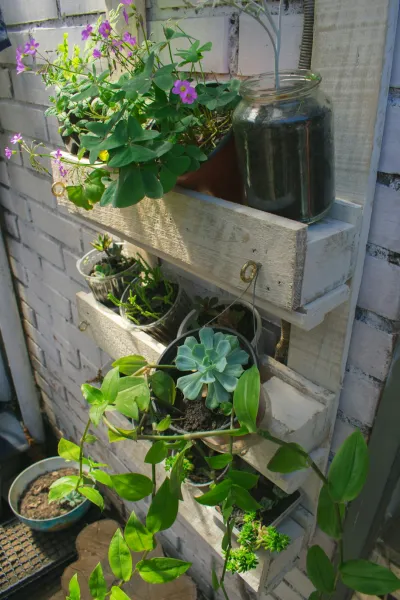
Introduction
In the hustle and bustle of modern life, small spaces often limit our ability to cultivate nature within our homes. However, cultivating a vertical garden using repurposed pallets is an excellent DIY project that offers a practical and creative solution for gardening enthusiasts and casual plant lovers alike. Not only does this method optimize space, but it also contributes to sustainability by giving life to used materials that might otherwise end up in a landfill.
Imagine transforming an ordinary wall or balcony into a breathtaking green oasis where you can grow herbs, succulents, or vibrant flowers. The benefits of a vertical garden extend beyond aesthetics; they include improved air quality, access to fresh produce right at your fingertips, and a deep sense of satisfaction derived from nurturing plants. Whether you’re living in an apartment, terrace, or a small backyard, learning how to create a vertical garden is an excellent way to enhance your environment.
This project is suitable for beginning gardeners and DIY enthusiasts alike! You don't need advanced gardening skills or expensive tools. With a few materials and the willingness to get your hands a little dirty, you’ll find this DIY project both enjoyable and rewarding. By the end of this guide, you will have a stunning vertical garden that not only utilizes space efficiently but also provides a beautiful and functional addition to your living area.
Tools Needed
1. Screwdriver (or drill): Essential for assembling the pallet and securing the structure. A drill will speed up the process significantly, while a screwdriver is good for a manual approach.
2. Saw: Used to cut the pallet if you need to size it down to fit your specific space requirements. A hand saw or a jigsaw will work well for this task.
3. Sandpaper: To smooth out rough edges and surfaces on the pallet to ensure safety when handling. This is crucial for preventing splinters.
4. Gloves: Protect your hands from splinters and rough edges while working with wood. Gardening gloves may be particularly useful when handling soil and plants as well.
5. Staple Gun or Hammer: For securing landscaping fabric or burlap to the back of the pallet to create a planting pocket. A staple gun is more straightforward, but a hammer and nails can also work effectively.
6. Level: To ensure that your vertical garden hangs straight on the wall. A level helps avoid any tilting that can affect the plant’s growth.
7. Measuring Tape: Used to measure the dimensions of your wall or chosen space to ensure the pallet fits perfectly.
8. Watering Can/Spray Bottle: To moisten the soil and water your plants efficiently once they’re planted in the pallet garden.
Materials
1. Repurposed Pallet: 1 standard size (usually 48” x 40”). Ensure it’s untreated to avoid harmful chemicals leaching into the soil.
2. Landscaping Fabric or Burlap: 1 yard, to line the back and sides of the pallet. This keeps soil in while allowing for proper drainage.
3. Potting Soil: 2 bags (preferably lightweight soil mix), to fill your planting pockets effectively.
4. Plants: 8-10 of your choice such as herbs (basil, mint), flowers (petunias, marigolds), or succulents, depending on your preference.
5. Wood Screws: 1 box (1.5” long), for assembling and reinforcing the pallet.
6. Hanging Hooks or Wall Brackets: 2-4, depending on your setup, to ensure that the pallet is secured to the wall.
7. Watering Tray: Optional, to catch excess water and prevent damage to your walls or patio area.
8. Mulch: 1 bag (optional), used as a top dressing to retain moisture in the soil and suppress weed growth.
9. Fertilizer: Organic or slow-release, needed to provide essential nutrients to your plants.
Step 1: Choose the Right Location
Before diving into the project, assess your small space to find a suitable location for your vertical garden. Consider areas that receive ample sunlight—most plants require at least 6 hours of sunlight daily. South-facing walls are typically the best spots. Additionally, think about accessibility for watering and maintenance.
Tips:
- Use a measuring tape to determine how much wall space you have.
- Avoid areas with strong drafts or heavy shade unless you’re using shade-tolerant plants.
Step 2: Select and Prepare the Pallet
Choose a repurposed pallet that is in good condition. You want to avoid pallets that have been treated with chemicals or show signs of decay. Clean your pallet by giving it a good wash with soap and water, and let it dry completely.
Safety:
- Always wear gloves when handling pallets to prevent splinters and cuts.
- Inspect for nails or screws that may be protruding and remove or hammer them down.
Step 3: Cut and Sand the Pallet (if necessary)
If your pallet is too large for your chosen space, you’ll want to cut it down to size. Use a saw to trim it to your desired dimensions. After cutting, sand the edges to ensure they’re smooth and splinter-free.
Tips:
- Ensure to keep the pallet balanced when cutting, so it doesn’t split or break unevenly.
- Sand down the top surface too, as this will also help with even planting.
Step 4: Line the Back of the Pallet
Using landscaping fabric or burlap, line the back and sides of the pallet. Cut pieces large enough to fold over the top, covering the sides completely. Use a staple gun or hammer and nails to secure it in place.
Why Line It:
- The fabric prevents soil from falling out while allowing for drainage. This is crucial for maintaining healthy root systems.
Step 5: Prepare the Soil
Mix potting soil with fertilizer as per the instructions on the fertilizer package. This will give your plants the nutrients they need to thrive once planted. Fill the pallet with this soil mix, leaving some space at the top to avoid overflow.
Pro Tip:
- Moisten the soil slightly before placing it in the pallet. This makes it easier to work with and helps prevent air pockets from forming.
Step 6: Plant Your Chosen Flora
Carefully insert your chosen plants into the soil pockets you’ve created. Start with the larger plants at the bottom and smaller ones above. This arrangement allows each plant adequate sunlight and prevents overshadowing. Press down gently around each base to ensure they are held securely in place.
Tips:
- Consider the growth habits of your plants. Climbing or trailing plants can add a beautiful cascading effect to the garden.
Step 7: Secure the Pallet for Stability
Using wall brackets or heavy-duty hanging hooks, attach the pallet securely to the wall or your chosen support surface. Check to ensure it’s level, using the measuring level to avoid any crookedness in your vertical garden.
Safety:
- Make sure the hooks are firmly anchored in the wall studs to prevent the pallet from falling.
Step 8: Water and Mulch Your Plants
Once everything is in place, give the plants a good watering. Ensure the water drains properly to avoid root rot. If you're using mulch, apply it on top of the soil to retain moisture and keep weeds at bay.
Tips:
- Water your plants gently to avoid dislodging them from their pockets.
- Monitor soil moisture levels regularly; vertical gardens can dry out faster than ground-level gardens.
Step 9: Introduce a Maintenance Routine
After planting, establish a regular maintenance routine. Water your plants as needed (usually once or twice a week, depending on climate), and check for pests and growth progress. Fertilize according to plant needs and workload.
Pro Tip:
- Rotate plants occasionally if they are not receiving enough light due to positioning.
Step 10: Enjoy Your Vertical Garden
Congratulations! Take a moment to appreciate your hard work. Your vertical garden is not just an attractive feature; it’s also a source of fresh ingredients or a peaceful retreat filled with greenery.
Final Tips:
- Spend time enjoying your garden—daily engagement will encourage plant growth and also provide tranquility in your living space.
- Keep a journal of what you’ve planted and how well they do for future reference.
Troubleshooting
Here are 5 common issues you might encounter with your new vertical garden and simple fixes for them:
1. Soil Loss:
- Issue: Soil may wash out if not secured properly.
- Fix: Ensure the back lining of the pallet is tightly secured. Adding mulch can help hold the soil in place.
- Issue: Your plants may attract pests.
- Fix: Introduce beneficial insects or use organic pesticide sprays. Regularly inspect and remove any infested plants immediately.
- Issue: Water pooling at the bottom can lead to root rot.
- Fix: Ensure the pallet has proper drainage. Consider increasing the spacing between the plants or adjusting your watering schedule.
- Issue: Some plants may not thrive if they’re not getting enough light.
- Fix: Rotate plants periodically or consider supplementing with grow lights if you are indoors or in a shaded area.
- Issue: Plants may become leggy or weak.
- Fix: Assess water, light, and nutrient needs. Sometimes, additional pruning can rejuvenate growth.
Conclusion
Creating a vertical garden with repurposed pallets is a fulfilling and sustainable project that anyone can tackle, regardless of experience. It’s a great way to beautify your small space while also cultivating your love for gardening. From herbs to flowers, the possibilities are endless, and this garden will surely bring life to your home.
As your plants grow, consider experimenting with varying plant types to create a more visually striking and diverse garden. Regular maintenance will not only keep your vertical garden lush but also provide a relaxing outlet for stress relief. So grab your tools, get creative, and enjoy your new green space!