How to create an eco-friendly vertical garden using repurposed pallets and native plants
Introduction
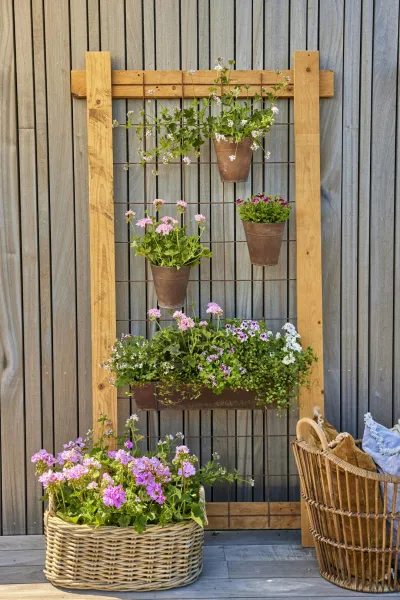
In today's world, where urban living is becoming the norm and natural spaces seem to dwindle, the idea of cultivating your own green oasis has never been more appealing. Creating an eco-friendly vertical garden using repurposed pallets is not only a creative outlet but also a sustainable project that contributes to biodiversity and helps purify the air. Why pallets, you may ask? These wooden crates are often discarded, but they can serve as a fantastic base for a vertical garden when given a little love and attention. By using native plants, you are not only investing in your own garden's beauty but also in the ecology of your area, as these plants are adapted to your local environment and are more resilient.
This project is perfect for beginners and experienced gardeners alike, requiring minimal skills but offering a beautiful, lush display. In addition to improving air quality, vertical gardens save space, promote a sustainable lifestyle, and can even decrease energy costs by naturally insulating your home. As we dive into this guide, let’s explore the tools and materials you’ll need, followed by detailed steps to help you create your eco-friendly vertical garden with ease.
Tools Needed
1. Safety Gloves: Protects your hands from splinters and sharp edges when handling pallets and plants. 2. A Hammer: Useful for reinforcing the structure by nailing down any loose ends. 3. Screwdriver: Essential for securing screws that tighten the pallets together or for attaching the garden to a wall. 4. Measuring Tape: Helps ensure accurate dimensions when cutting pallets and deciding plant placements. 5. Utility Knife: Necessary for cutting tarp or landscape fabric to line the back of your pallet. 6. Sandpaper or a Sander: Smooths rough edges on pallets, preventing injuries and improving the overall finish. 7. Paintbrush and Non-Toxic Sealant: Provides protection for your pallet from weathering; ensures that it’s safe for plants while highlighting aesthetics. 8. Watering Can or Hose: For easily watering your vertical garden once it’s set up.
Materials
1. Repurposed Wooden Pallets: 2 to 3 pallets (depending on the size of your garden). 2. Landscape Fabric: 1 roll (to protect soil from falling out and allow drainage). 3. Non-Toxic Wood Sealant: 1 quart (to preserve the wood). 4. Potting Soil or Compost: 2-3 bags (provides a nutrient-rich environment for the plants). 5. Native Plants: 6-12 smaller plants (depending on the pallet size; select plants well-suited to your climate). 6. Hanging Hardware: 2-4 sturdy hooks or wall brackets (for securing the pallets to a wall). 7. Wood Screws: A box of 1-1.5 inch screws (for assembly and reinforcement). 8. Granite or Decorative Stones: 1 bag (to use for the base layer in the pallet for better drainage). 9. Watering System (optional): Drip irrigation kit (to simplify the watering process if the garden is large).
Step-by-Step Guide
# ### Step 1: Choose Your Pallet Wisely
Before diving in, choose the right pallet for your project. Look for ones that are made of untreated wood to avoid chemicals that could leach into the soil. Inspect the pallet for structural integrity; it should be sturdy without cracks or deep damages. The dimensions of the pallet will determine the size of your vertical garden, so consider one that fits your available space. Tip: You can often find pallets at local retailers, warehouses, or even online classifieds for free!
# ### Step 2: Clean and Prepare the Pallet
Once you’ve acquired your pallet, it’s time to clean it thoroughly. Use a mixture of water and mild soap to wash away dust, dirt, and any mold. After cleaning, allow it to dry completely. Next, sand down any rough edges using sandpaper or a sander to ensure a smooth finish—this step is crucial for avoiding splinters! After sanding, wipe the pallet with a damp cloth to remove any wood dust. Safety Tip: Always wear gloves and a mask while sanding to protect yourself from dust inhalation.
# ### Step 3: Seal the Pallet
To protect the pallet from the elements, apply a non-toxic wood sealant. This will help prolong the life of the wood while ensuring it is safe for the plants. Use a paintbrush to apply the sealant evenly over all surfaces. Allow it to dry according to the manufacturer's instructions—usually 24-48 hours is recommended for best results. Tip: Choose a sealant that is environmental-friendly, ensuring no harmful chemicals seep into the soil.
# ### Step 4: Prepare the Backing
Cut a piece of landscape fabric to fit the back and sides of the pallet. This fabric will act as a barrier to hold the soil in while allowing excess water to drain out. Use a utility knife to cut it slightly larger than the pallet, and then secure it with a staple gun along the back and sides. Make sure that the fabric is taut but not overly stretched. Tip: Stapling the fabric around the edges will create a pocket effect, allowing for better soil retention.
# ### Step 5: Create Drainage Layers
To facilitate proper drainage, it’s essential to include a base layer. Start with a layer of granite or decorative stones, about 2-3 inches deep, at the bottom of the pallet. This helps the excess water to escape and not accumulate in the soil, potentially harming your plants. Avoid using large pebbles or rocks that might hinder drainage. Spread the stones evenly across the bottom of the pallet. Tip: You can also use small pieces of broken ceramic pots if granite is unavailable.
# ### Step 6: Add Potting Soil
Next, add your potting soil or compost on top of the drainage layer, filling the pallet frame but leaving some space at the top for plants. Aim for about 6-8 inches of soil—this will give the roots enough room to grow while ensuring that the soil doesn’t spill out of the sides. Gently pat down the soil as you fill to reduce air pockets. Tip: Mixing in some slow-release fertilizer into your potting soil can help nourish the plants as they grow.
# ### Step 7: Select and Plant Native Species
Now comes the fun part—selecting and planting your native plants! Choose a variety of plants that flourish in your local climate, ensuring a colorful display throughout the seasons. Be mindful of the spacing; if using smaller plants, you can place them closer together, but be sure to allow enough space for each plant to mature. Gently remove them from their pots, and insert their root balls into the soil, packing the surrounding soil tightly. Tip: You can mix different species for a visually appealing arrangement while ensuring each plant is suitable for your vertical garden.
# ### Step 8: Secure and Hang the Pallet
Before hanging the pallet garden, ensure that it’s fully planted and the soil is damp but not soggy. Choose a prime location against a wall that receives adequate sunlight and is sheltered from harsh winds. Use the hanging hardware to securely attach your pallet to the wall. Drill the screws into the wall studs if possible to provide maximum stability. If not, use heavy-duty wall anchors. Level the pallet before securing it fully. Safety Tip: Ensure the pallet is securely fastened to avoid injury from falling.
# ### Step 9: Water and Maintain
After installation, give your vertical garden a thorough watering. For the first few days, keep an eye on the moisture levels; vertical gardens can dry out faster due to increased exposure. Water deeply but less frequently to encourage deep root growth. If you opted for an irrigation system, ensure it is correctly set up to deliver consistent moisture. Tip: Check your plants for signs of stress regularly, adjusting your watering schedule as needed for different plant types.
# ### Step 10: Enjoy and Monitor
Congratulations! Your vertical garden is now complete. It’s time to step back and marvel at your handiwork. Make it a habit to regularly check for weeds, pests, or dead leaves, keeping everything tidy and healthy. Spend time with your garden, as observing growth can be incredibly rewarding. Consider inviting friends and family for a garden tour! Tip: Take notes on the growth patterns and overall health of the plants to improve future gardening projects.
Troubleshooting
Even the best-laid plans can sometimes run into hiccups. Here are some common issues you may face and suggestions for fixes:
- Water Drainage Issues: If you notice water pooling at the base, check that your drainage layers are intact and functioning. If not, consider adding more stones or adjusting your soil level.
- Plant Stress or Wilting: This may occur if the plants dry out too quickly. Ensure you monitor their moisture levels regularly. If they are wilting, give them a deep watering and adjust their exposure to sunlight if necessary.
- Pests: Look for aphids, spider mites, or other critters. For a natural solution, try introducing beneficial insects like ladybugs or use a mixture of water and dish soap to spray affected areas.
- Weak Structure: If the pallet appears unstable, check the attachment points to the wall and reinforce them if necessary. Secure screws or replace any weak hooks.
- Plants Not Thriving: If certain plants aren’t growing as expected, assess the soil conditions, sunlight exposure, and consider whether those plant varieties are suitable for your vertical garden's environment.
Conclusion
Creating an eco-friendly vertical garden using repurposed pallets is not just a project but a step toward a greener, more sustainable lifestyle. Not only does it beautify your space, but it also promotes local biodiversity and reduces waste by giving pallets a second life. As you enjoy your vertical garden, consider adding upcycled decorations, varied plant species, or even herbs for culinary use to personalize your space further.
On top of the beauty, these gardens require ongoing maintenance, from regular watering to pruning. Every season can bring a new challenge and reward. The skills and knowledge you gain from this endeavor will serve you well in future gardening projects. Remember, adaptation and experimentation are key to becoming a successful gardener!