How to create a vertical garden using repurposed pallets and self-watering systems
Introduction
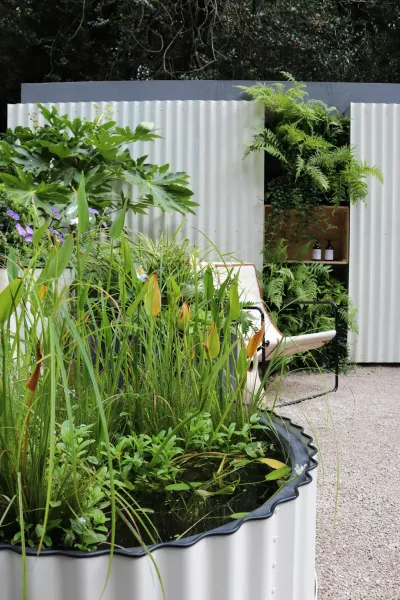
Creating a vertical garden offers a beautiful way to display your plant collection while conserving space. Vertical gardens, often called green walls, can transform an empty wall or fence into a vibrant oasis, perfect for anyone wishing to bring nature into their home. This project is ideal for urban dwellers with limited outdoor space or for those simply wanting to add greenery indoors. By using repurposed pallets, not only do you create an eye-catching feature, but you also contribute to sustainability by recycling materials that might otherwise end up in a landfill.
One of the significant advantages of this project is its accessibility. You can find wooden pallets at local retailers, construction sites, or agricultural centers—often for free or very low cost. Elevating your garden vertically not only saves ground space but also makes tending to your plants easier and more ergonomic. By integrating a self-watering system, you alleviate the need for constant maintenance and ensure your plants receive consistent hydration, promoting healthy growth.
Don't worry if you're new to gardening or DIY projects; this guide is tailored for beginners and provides all the steps you need to transform an ordinary corner into a vertical paradise. So, gather your materials, roll up your sleeves, and let’s dive into this exciting project that will beautify your space and deepen your connection to nature.
Tools Needed
- Screwdriver: Essential for assembling the pallet and attaching any hardware. A power screwdriver makes this faster and easier.
- Saw: A hand saw or jigsaw will help you cut the pallets to your preferred size if necessary.
- Sander: To smooth the rough edges of the pallets, a sander or sandpaper prevents splinters and ensures a neat appearance.
- Drill: Useful for pre-drilling holes for screws, which avoids wood splitting and makes assembly easier.
- Tarpaulin or Plastic Liner: To line the interior of the pallet, protecting the wood from moisture and prolonging its lifespan.
- Rope or Twine: Necessary for creating a support system for climbing plants or vines.
- Level: To ensure your vertical garden hangs straight on the wall.
- Measuring Tape: To accurately gauge the dimensions of your space and the pallets.
Materials
- 1-2 Wooden pallets (depending on height desired)
- Landscape fabric or breathable garden liner (1 yard)
- Plastic sheeting (4-6 square feet) for the self-watering system
- PVC pipe (1 inch in diameter, cut to the height of your pallet)
- Small end caps (2 for the PVC pipe)
- Plastic or ceramic plant pots (3-6, depending on pallet height)
- Soil (3-4 bags of potting mix)
- Drip irrigation kit (optional, if you want a more sophisticated watering system)
- Wood screws (1-2 lbs, depending on pallet assembly)
- Nails or staples (for securing fabric)
Step-by-Step Instructions
Step 1: Select Your Pallet
Choosing the right pallet is crucial. Opt for a sturdily constructed wooden pallet, preferably one that has not been treated with harmful chemicals. Ideally, use a pallet marked with “HT” (heat-treated). Inspect it for damage, such as substantial cracks, rot, or loose slats.
Tips:
- Check the condition of the wood; a sound pallet should feel heavy and intact.
- Consider the size based on the wall space you want to cover—standard pallets are about 4 feet long and 3 feet high.
Step 2: Prepare the Pallet
Once your pallet is selected, prepare it for planting. Use your saw to remove any loose slats or protruding pieces. Then, sand the entire surface to eliminate sharp edges and splinters. Next, clean off any dust or debris using a cloth or brush.
Safety:
- Whenever using power tools, wear safety goggles to protect your eyes. Gloves can protect your hands from splinters.
Step 3: Line the Pallet
To prolong the life of your pallet and prevent soil from spilling out, line the interior with landscape fabric. Cut the fabric to fit the back, sides, and bottom of the pallet. Use a staple gun or nails to secure it firmly.
Tip:
- Ensure the fabric has small drainage holes at the bottom, allowing excess water to escape, preventing over-saturation of your plants.
Step 4: Set Up the Self-Watering System
To create your self-watering system, start with the PVC pipe. Cut two small holes in the pipe—one at the top for filling, the other at the bottom to let water drain. Seal one end with an end cap. Place the pipe vertically inside your pallet, ensuring it runs down the back and out of sight. This will serve as your water reservoir.
Tip:
- Ensure that it is tall enough to reach the bottom of the plant pots for water absorption but short enough to avoid excess weight.
Step 5: Drill for Drainage
Drill small holes into the bottom of your plant pots that will sit in the pallet. This allows for proper drainage, reducing the risk of root rot.
Safety:
- Keep your hands clear of the drill while working, and always make sure you have a stable surface for drilling.
Step 6: Position Your Pots
Fill each pot with potting soil, ensuring there is enough room for the roots of the plants you plan to grow. After filling each pot, place it carefully into the lined pallet, securing them in place with screws if necessary.
Tip:
- Consider plant compatibility; putting sun-loving plants at the top and shade-lovers lower can optimize plant health.
Step 7: Plant Your Garden
Once your pots are in place, it’s time to plant! Choose your plants based on your climate and light conditions. Herbs, succulents, and small flowering plants tend to do well in vertical setups. Water the plants slightly after they are planted to help settle the soil.
Tip:
- Research which plants thrive together; companion planting can enhance growth.
Step 8: Set Up Drip Irrigation (Optional)
If you want a more automated watering system, unpack your drip irrigation kit. Follow the instructions provided to connect it to the PVC pipe. Adjust the drip emitters for each plant to ensure even watering.
Tip:
- Test your system regularly; check for blockages and ensure all plants receive adequate moisture.
Step 9: Hang Your Vertical Garden
Using a measuring tape, mark the spots on your wall where the pallet will hang. With a level, ensure that each mark is straight. Use strong screws or hangers to secure the pallet to the wall, ensuring it can bear the weight of the soil and plants.
Tip:
- If you’re concerned about damage to your wall, consider securing the pallet to a wooden frame at ground level instead.
Step 10: Maintenance and Care
After your vertical garden is up and running, regular maintenance is key. Water the garden periodically (or rely on your self-watering system), check for pests, and prune plants as necessary to encourage growth. Fertilize with a balanced fertilizer every few weeks, especially during the growing season.
Tip:
- Keep an eye on sunlight exposure; be prepared to rotate or move plants if they begin to look weak or leggy.
Troubleshooting
1. Plant Wilting or Turning Yellow: This often indicates overwatering. Check your pot drainage and adjust watering schedules accordingly. Make sure the self-watering system isn’t clogged.
2. Rotting Roots: If you notice a foul odor from the soil, it likely means your plants are drowning. Reduce watering frequency and ensure good drainage.
3. Pest Infestation: Keep an eye out for common pests like aphids or spider mites. Use insecticidal soap or neem oil to proactively address these issues.
4. Inconsistent Growth: If some plants thrive while others struggle, reevaluate the sunlight exposure. Different plants have varying light requirements—consider moving them to a more suitable location.
5. Soil Erosion: If soil is spilling out from the pots, check if the landscape fabric is intact. Consider adding additional support or using finer soil to minimize erosion.
Conclusion
In conclusion, creating a vertical garden using repurposed pallets and a self-watering system is not only a sustainable choice but also a rewarding project that can enhance any living space. With just a few materials, tools, and conscientious effort, you can transform a dull area into a thriving green sanctuary. As you gain confidence in your gardening skills, think about experimenting with different plants or designs to personalize your vertical garden even further.
Keep in mind that regular maintenance is key to keeping your plants healthy and vibrant. By staying engaged with your garden, you’ll develop a deeper appreciation for the environment and the wonderful array of life it houses. Enjoy watching your garden bloom, and remember, each vertical garden is a unique canvas waiting for your personal touch!