How to create a vertical garden using repurposed pallets and plastic bottles
Tools Needed
1. Drill - Essential for making holes in the pallets and plastic bottles for drainage and planting. 2. Screwdriver - Necessary for assembling the pallet or securing shelves; helps in fastening screws efficiently. 3. Saw - A hand saw or power saw will help to cut the pallet or bottles into the desired size. 4. Sandpaper - To smooth out any rough edges on the pallets, ensuring they won’t harm your hands or plants. 5. Measuring Tape - Important for measuring the dimensions of your space and ensuring that your vertical garden will fit. 6. Gloves - Protects your hands from splinters and sharp edges, as well as dirt, while you're working. 7. Trowel - Useful for digging in soil and planting your plants or seedlings into the repurposed materials. 8. Paint or Wood Sealer - To protect the wood from moisture and decay, prolonging the life of your vertical garden.
Materials
- Repurposed Wooden Pallet - 1 (ensure it’s untreated to avoid harmful chemicals)
- Plastic Bottles - 8–12 (size varies; larger for bigger plants)
- Soil - 2-3 bags (potting mix is preferred for best growth)
- Plants or Seeds - 10-20 (choose based on your preference; herbs, flowers, or small vegetables)
- Twine or Wire - 1 spool (for securing the bottles to the pallet)
- Nails or Screws - 1 pack (for assembling components securely)
- Wooden Planks or Frames - 1-2 (optional, for added support or aesthetics)
- Paint or Wood Sealer - 1 can (non-toxic for plant safety)
- Plastic Drainage Mesh or Fabric - 1 roll (to help retain soil while allowing drainage)
- Watering Can or Hose - 1 (to keep your vertical garden adequately hydrated)
Introduction
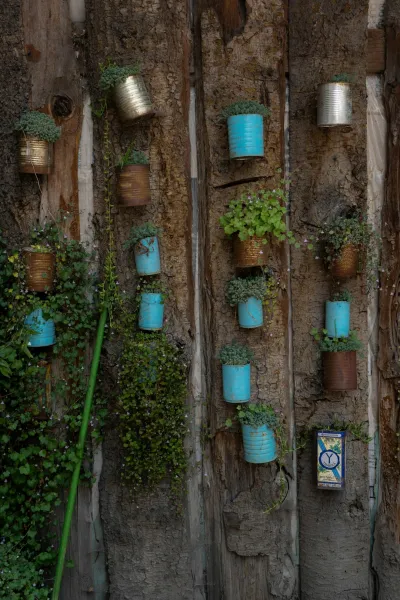
Vertical gardens have gained immense popularity for a variety of reasons. With urban spaces becoming increasingly limited, turning to vertical gardening offers a creative solution for gardeners short on ground space. This DIY project transforms simple materials—repurposed wooden pallets and plastic bottles—into a lush vertical garden that can fit any wall or balcony. Not only does this project beautify your space, but it also promotes sustainability, as you're giving new life to discarded materials.The benefits don’t end there. Vertical gardens can improve air quality, provide fresh herbs or vegetables at arm’s reach, and create insulation for walls, thus improving energy efficiency in buildings. Additionally, they can serve as an educational project for families, introducing kids to gardening and the importance of recycling.
As for skill level, don’t worry if you’re a beginner! This project is beginner-friendly, requiring only basic tools and a little creativity. Working with pallets and plastic bottles allows for trial and error, offering a forgiving medium as you learn the ropes of gardening. Plus, the satisfaction of watching your plants thrive in a unique setting is tremendously rewarding.
### Step 1: Gather Your Supplies
Before you start creating your vertical garden, it’s important to gather all your tools and materials. This is crucial as it ensures a smoother workflow and minimizes interruptions. Head to your local hardware store, or check your shed for supplies. If you're repurposing pallets and bottles, ensure they’re clean and free from contaminants. Rinse plastic bottles thoroughly to avoid any residue that could harm your plants. Lay everything out in a well-lit, spacious area where you can easily work.
Tip: Look for materials that are durable and safe for your plants. For instance, treated wood can leach chemicals into the soil.
### Step 2: Prepare the Pallet
If your pallet isn’t ready to go, now’s the time to prepare it! Start by sanding down rough edges and splinters, which could damage your plants or hands. If you prefer, you can give the pallet a coat of non-toxic paint or wood sealer to protect it from moisture. This not only prolongs the life of your garden but also adds a personalized touch.
How: Using sandpaper, smooth all surfaces of the pallet. For painting, allow for full drying time, especially in the nooks and crannies where moisture could collect.
Tip: A well-prepped pallet serves as the foundation for your garden; spend time ensuring it’s good to go!
### Step 3: Create Spaces for Plants in the Bottles
Now comes the fun part—modifying the plastic bottles for planting! Start by cutting the bottles in half. To ensure proper drainage, drill small holes in the bottom of each half. This will help excess water to escape and prevent root rot.
How: Use a marker to draw a cut line approximately halfway down each bottle. With the drill, create drainage holes (a few per bottle should suffice).
Tip: Consider alternate bottle designs for visual appeal, like cutting them into different shapes for your gardening needs!
### Step 4: Attach the Bottles to the Pallet
Next, it's time to attach the bottles to the pallet. Use twine or wire to secure the top half of each bottle to the pallet. Arrange them in a staggered line from top to bottom, or align them if you prefer uniformity. The staggered method is great for maximizing sunlight and allows plants to grow without crowding.
How: Securely knot the twine around the neck of the bottle and then attach to the pallet. Ensure they're tightly fastened so they are stable and won’t fall.
Tip: Space the bottles according to your plants' growth needs for optimal development!
### Step 5: Fill Bottles with Soil
Once the bottles are securely attached, it’s time to fill them with soil. Make sure to leave some room at the top to prevent soil runoff when watering. A good potting mix will provide the necessary nutrients for your plants to thrive.
How: Use a trowel to scoop the soil into each bottle. Pack it down gently to remove any air pockets but leave enough looseness for root growth.
Tip: Layering soil with slow-release fertilizer enhances plant nutrition, ensuring vibrant growth throughout the season.
### Step 6: Choose Your Plants
Now, you need to select what to grow! Remember to consider the sunlight requirements and growth habits of each plant. Consider using herbs like basil or mint, small vegetables like lettuce, or colorful flowers for aesthetics. If you’re feeling adventurous, try flowers that attract pollinators, enhancing both your space and its ecology.
How: Avoid overcrowding: select 10-20 plants based on the size of your vertical garden and each plant's eventual size.
Tip: Stick with plants that share similar sunlight and watering needs; this makes maintenance easier!
### Step 7: Planting
With your plants chosen, it’s time to plant them! Carefully remove them from their pots, making sure to not disturb their roots too much. Gently plant them in the soil-filled bottles, ensuring they are adequately buried but not too deep to suffocate.
How: Make a small hole in the soil with your fingers or the trowel, place the plant in, and cover it back with soil. Water lightly.
Tip: Use vegetable labels to keep track of the type of plants you’ve planted, especially if you have a variety!
### Step 8: Watering and Maintenance
Once your plants are in place, they will require consistent care. Initially, water gently using a watering can or hose, approximately once a week or more frequently, depending on their needs. A little monitoring will help you determine how often to water based on the climate and your plants' conditions.
How: Check moisture by sticking your finger into the soil; if it feels crumbly and dry a couple of inches down, it’s time to water.
Tip: Make sure your vertical garden is positioned in a location with adequate sunlight and ventilation for healthy plant growth.
### Step 9: Positioning Your Vertical Garden
Find the ideal spot for your vertical garden. Ideally, it should be somewhere that gets 6-8 hours of sunlight a day to ensure proper growth. Whether you choose an outdoor wall, balcony, or even indoors (considering the right light), your palette should be safe and easily visible for regular care.
How: If placing outdoors, use sturdy wall hooks or brackets to hang it securely, ensuring it can withstand wind and rain conditions.
Tip: Test the location for sunlight throughout the day to ensure you choose the best spot.
### Step 10: Enjoy and Experiment!
With your vertical garden set up and thriving, take time to enjoy your handiwork! Observe how your plants grow, try different variants, and learn what works best for you. Experiment with new plants in subsequent seasons or try altering the design of your garden for a fresh look.
Tip: Share your vertical garden journey on social platforms or with neighbors—you could inspire someone else to take on this rewarding project!
Troubleshooting
1. Plants Wilting/Yellowing: This could indicate overwatering or underwatering. Check the moisture of the soil and adjust your watering routine accordingly.
2. Slow Growth: If your plants are not thriving, it may be due to inadequate sunlight. Move your vertical garden to a location that receives more light.
3. Soil Washing Out: If soil spills out of the bottles when watered, ensure there’s drainage mesh or fabric in place before filling. Add more soil and plant carefully.
4. Infestations: Monitor your plants for pests. If you notice any, consider natural pest control methods like neem oil to combat common garden pests.
5. Fading Colors in Flowers: Insufficient light or nutrients can cause flowers to lose their vibrancy. Ensure you’re providing adequate sunlight and using slow-release fertilizer.
Conclusion
Creating a vertical garden using repurposed pallets and plastic bottles is not only an eco-friendly project; it is also a chance to enhance your outdoor space with vibrant life. This DIY guide has offered a simplistic yet thorough approach for beginners excited to dive into gardening. As you embark on this journey, remember that maintenance will help sustain the health and beauty of your vertical garden.
Feel free to experiment with different plants, colors, and designs—there’s no limit to how creative you can get! For maintenance, be sure to monitor your plants regularly, water appropriately, and adjust as needed. Before you know it, you’ll have a flourishing garden that not only beautifies your home but also promotes sustainable living.
Embark on this rewarding endeavor, and happy gardening!