How to create a sustainable vertical garden using repurposed pallets and rainwater collection system
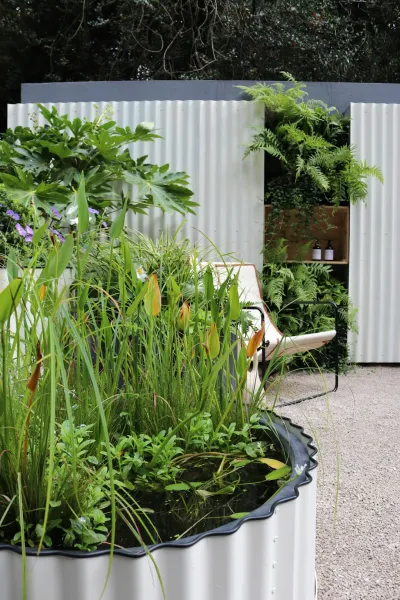
Intro
In a world increasingly focused on sustainability, creating a vertical garden is an excellent way to combine your passion for gardening with eco-friendly practices. Utilizing repurposed pallets not only reduces waste but also offers a versatile and cost-effective platform to grow your favorite plants. Whether you live in an apartment with limited outdoor space or want to enhance your backyard, a vertical garden can transform any area into a lush, green oasis.
Why this Project
The motivation behind this project is rooted in environmental responsibility and the desire for self-sufficiency. Urban areas often lack sufficient green spaces, and cultivating a vertical garden can play a pivotal role in remedying that issue. Additionally, our reliance on commercial produce contributes to a significant carbon footprint due to transport and packaging; thus, growing your own vegetables and herbs becomes a meaningful step towards self-reliance and sustainability.
Benefits
Beyond aesthetics, vertical gardens offer a myriad of benefits. They improve air quality, provide natural insulation, and contribute to urban biodiversity. Using repurposed materials like wooden pallets minimizes waste, making this project an eco-conscious choice. Furthermore, integrating a rainwater collection system not only conserves water, which is vital in an age of climate change, but it also nourishes your plants without any extra cost.
Skill Level: Beginner
This project is beginner-friendly, requiring basic carpentry skills and a keen interest in gardening. It is an ideal opportunity to learn valuable DIY skills while engaging in a fulfilling hobby. As you move through the steps, you'll gain confidence and knowledge that you can apply to future gardening initiatives.
Tools Needed
- Power Drill: For making holes in pallets and attaching structures.
- Saw: A hand saw or power saw will be useful for cutting the pallets to your desired dimensions.
- Measuring Tape: Essential for ensuring accurate measurements for your garden and rainwater collection system.
- Level: This tool ensures that your vertical garden is straight and correctly aligned.
- Screwdriver: Necessary for assembling various elements of your garden.
- Garden Gloves: Protect your hands while working with wood and soil.
- Watering Can or Hose: For watering your plants (especially useful during initial plant establishment).
- Container or Bucket: For collecting rainwater effectively and organizing your setup.
Materials
- Repurposed Wooden Pallets: 2-4, depending on the size of your desired garden.
- Landscape Fabric: 1 roll (usually around 3 feet x 50 feet) to line the pallet for plant support.
- Soil: 2-3 bags (approximately 1.5 cubic feet each) of high-quality potting soil.
- Plants or Seeds: A selection based on your preferences (herbs, small vegetables, or flowers).
- Nails & Screws: 1 box of each, for securing components together.
- Plastic Sheeting: 1 sheet (to line the back of the pallet and prevent soil spillage).
- Paint or Wood Stain: 1 quart (if you wish to protect the pallet for weather resistance).
- Rain Barrel: 1 (10-50 gallons, depending on space) for collecting rainwater.
- Downspout Diverter: 1 (if using from a gutter system) to direct rainwater to your barrel.
- Garden Hose: 1 (optional, but useful for transferring rainwater to your garden).
Steps to Create Your Vertical Garden
### Step 1: Select and Prepare Your Location
First, you'll need to select an appropriate location for your vertical garden. Aim for a spot that receives adequate sunlight (at least 6 hours a day) and has easy access to water. Once settled on a location, make sure to measure the area accurately and ensure that it has stable ground to support your garden’s structure.
# What:
Assessing your location helps determine how much sunlight and rain your plants will receive.
# How:
- Use your measuring tape to outline a rectangular space where you will set up the garden.
- Check for potential obstructions like overhanging branches that may cast shade.
# Tips:
- If you have limited sunlight, consider the direction of the sun during different times of the day.
- Avoid low-lying areas where water may pool.
# Safety:
Always be cautious of intruding roots, uneven ground, or hazards like sharp rocks that could pose tripping risks.### Step 2: Acquire and Prepare Your Pallets
Search for wooden pallets in local warehouses, grocery stores, or through online marketplaces. Choose those in good condition, avoiding pallets that have been chemically treated.
# What:
Repurposing pallets contributes to sustainability while providing a sturdy frame for plants.
# How:
- Inspect each pallet for integrity (check for rot or extensive damage).
- Sand down rough edges to prevent splinters and ensure safe handling.
# Tips:
- The size of the pallets will impact the garden's scale so select according to your available space and desired plant varieties.
# Safety:
Wear gloves when handling pallets, especially if they are weathered or broken.### Step 3: Construct the Vertical Garden Frame
Once you have your pallets ready, it’s time to create your vertical garden's structure.
# What:
Assembling a sturdy structure ensures your vertical garden can support soil and plants effectively.
# How:
- Set pallets in a vertical position against a wall or fence. Use a level to ensure they're straight.
- Secure pallets using screws or nails where they overlap or need additional support.
# Tips:
- If aesthetics are essential, painting or staining your pallets before assembly can enhance their appearance.
- Consider leaving the bottom row open for additional pots or containers.
# Safety:
Be cautious during assembly, ensuring you wear gloves and protective eyewear when using power tools.### Step 4: Line the Pallet with Landscape Fabric
Before adding soil, you'll need to prepare each pallet for planting.
# What:
Lining with landscape fabric prevents soil erosion while allowing for proper drainage.
# How:
- Cut landscape fabric to fit the back and sides of each pallet.
- Use a staple gun or nails to secure the fabric to the wooden slats.
# Tips:
- Make sure to leave some space at the bottom for excess water to leach out, preventing root rot.
# Safety:
Use caution when using a staple gun, ensuring your hands remain at a safe distance from the firing mechanism.### Step 5: Add Soil and Plant Your Choice
With the pallets lined, it’s time to infill with soil and plant the flora of your choice.
# What:
Quality soil encourages healthy plant development and growth.
# How:
- Fill each section of the pallet with potting soil, lightly packing it to avoid excessive settling.
- Begin planting, placing taller plants towards the top and shorter ones at the bottom for visibility.
# Tips:
- Choose plants that thrive in similar conditions, and consider companion planting to maximize space and growth.
# Safety:
Avoid overloading the pallets with too much soil, as this could lead to structural failure.### Step 6: Construct Your Rainwater Collection System
Setting up your rainwater collection will ensure your plants remain hydrated while promoting sustainability.
# What:
This system collects rainwater runoff beneficial for your garden.
# How:
- Place a rain barrel at the base of your downspout or wherever you can capture rainwater.
- If using a diverter, install it according to the manufacturer's instructions.
# Tips:
- Use a barrel with a lid to prevent mosquitoes and debris from contaminating your water supply.
# Safety:
When working on rooftops or using ladders for installation, ensure the structure is stable and you have someone to assist you.### Step 7: Connect Watering Systems
Now that you have your rainwater collection set, connect it to your vertical garden.
# What:
This will facilitate convenient watering practices for your plants from collected rainwater.
# How:
- Use a garden hose to connect the rain barrel to the garden or attach a watering wand for precision.
- If your design allows, consider using drip irrigation for efficient watering.
# Tips:
- Periodically check for clogs and ensure your watering system is functional.
# Safety:
Always ensure hoses are not kinked or blocked to avoid water pressure build-up.### Step 8: Monitor and Maintain Your Garden
With everything in place, continuous monitoring and maintenance are crucial for your garden's success.
# What:
Regular care ensures your plants stay healthy and the structure remains functional.
# How:
- Check moisture levels in the soil and monitor for pests or diseases.
- Trim and prune as necessary to encourage new growth and prevent overcrowding.
# Tips:
- Use organic fertilizers to boost soil nutrients and remove any weeds that might sprout up.
# Safety:
Use gloves and safe tools to handle plants and soil, especially when dealing with pests or disease.### Step 9: Adapting the Design
Over time, you may want to adapt your vertical garden based on performance and personal preference.
# What:
Changing plant varieties or rearranging your garden can enhance your growing experience.
# How:
- After the first growing season, evaluate which plants thrived.
- Replace less successful plants or rearrange them based on your observations.
# Tips:
- Consider rotating crops to maintain soil health and reduce pest populations.
# Safety:
Always ensure your garden remains safe, especially during reorganization, as tools may be left lying around.### Step 10: Sharing Your Experience
Consider sharing your journey through the planning and planting stages with others!
# What:
Your experiences could inspire neighbors or social media followers to start their own gardens.
# How:
- Document your vertical garden’s progress through photographs or written accounts.
- Host a mini gathering to share your experience and even plant cuttings.
# Tips:
- Encourage a garden club or local community initiative focusing on sustainability and urban gardening.
# Safety:
Ensure any gatherings respect safety and health protocols (especially if food is involved).Troubleshooting
1. Pests: If you notice pests like aphids or caterpillars, introduce beneficial insects like ladybugs or use organic insecticides.
2. Plants Wilting: This could indicate over- or under-watering. Check soil moisture; if too dry, water gently, and cease watering if soggy.
3. Soil Erosion: If soil is washing out of your pallet, check landscape fabric positioning. Reinforce fabric if necessary.
4. Rainwater Not Collecting: Inspect your rainwater system for blockages or ensure downspout diverters are correctly installed.
5. Palettes Weakening: If you notice sagging or instability, reinforce with additional screws or support structures to prevent collapse.
Conclusion
Creating a sustainable vertical garden using repurposed pallets paired with an effective rainwater collection system is not only a fulfilling project but also a rewarding venture into eco-friendly living. You have taken steps toward reducing your carbon footprint while cultivating your own food source and enhancing your environment. As your gardening confidence grows, consider varying plants or expanding your setup to suit your evolving tastes.
Vertical gardening offers tremendous versatility, allowing you to adapt designs, implement new plants, or even transform your garden into a beautiful landscape feature over time. Maintenance is simple and crucial—check moisture levels, trim regularly, and experiment with plant varieties.
Remember, every plant you nurture contributes to a healthier planet. Enjoy your green thumb journey!