How to create an indoor vertical garden using upcycled plastic bottles and LED grow lights
Introduction
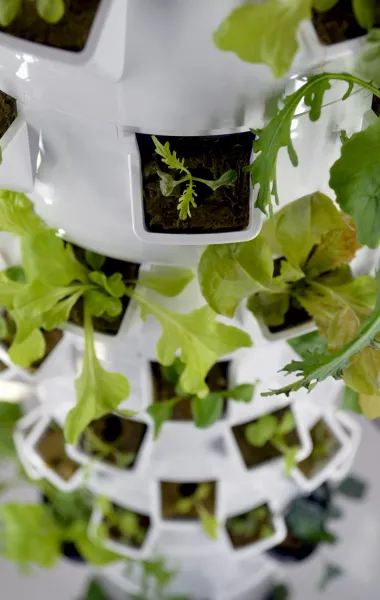
Creating an indoor vertical garden using upcycled plastic bottles and LED grow lights is an engaging project that beautifully combines environmental consciousness with home gardening. As we face increasing urbanization and limited outdoor space for plants, vertical gardening offers an innovative solution. Not only does it allow us to cultivate herbs, flowers, and small vegetables in tight spaces, but it also contributes to a more sustainable lifestyle by repurposing plastic waste. The rising popularity of LED grow lights further enhances this process, as they support plant growth regardless of natural light conditions, making gardening accessible in any setting.
The benefits of this project extend beyond aesthetics; it contributes to air quality improvement, provides fresh produce at your fingertips, and fosters a sense of well-being as you nurture your plants. Plus, engaging in such a DIY project can be a gratifying experience, perfect for beginners and seasoned gardeners alike. Even those with no prior gardening knowledge can successfully implement this project with a little time, creativity, and commitment.
Skill Level: This project is beginner-friendly, making it suitable for anyone willing to learn. You will gain not just gardening skills but also an understanding of upcycling and the use of lighting technology—valuable life skills that are becoming increasingly essential in our eco-conscious world.
Tools Needed
- Utility Knife: Essential for cutting the plastic bottles safely and accurately. Ensure you handle it with care to avoid injuries.
- Drill with Bits: Useful for making drainage holes at the bottom of your bottles. A power drill speeds up the process, but a hand drill can also work temporarily.
- Ruler or Measuring Tape: To measure and mark your cutting lines on the bottles, ensuring uniformity in size and proper alignment.
- Marker or Pen: For marking measurements on the plastic bottles. This will help you cut accurately.
- Sandpaper: To smooth out any sharp edges after cutting the bottles, ensuring safety when handling.
- String or Wire: For securing the bottles to your vertical structure, helping to maintain stability.
- Pliers: To help twist or bend wire for securing your structure, especially when working with metal wire.
- Small Shovel or Trowel: For filling the bottles with soil and planting seeds or seedlings easily.
Materials
- Plastic Bottles: 10–15, ideally 2-liter bottles for a good-sized planter. The quantity depends on your space and preferences.
- Potting Soil: 2–3 bags (1.5 cubic feet each) of organic potting mix to fill each bottle adequately.
- Plants or Seeds: A selection of herbs, flowers, or vegetables. Choose 4–8 different types for varied growth.
- LED Grow Lights: 1–2 strips or panels, depending on the size of your garden, designed for indoor plant growth.
- Wire or Twine: 50 feet of sturdy wire or twine for securing the bottles in place.
- Sealant or Waterproofing Spray: Optional but recommended to waterproof the superiors or any cut areas of the bottles and provide durability.
- Drip Tray: 1–2 trays (depending on your setup) to catch excess water and prevent damage to your indoor surfaces.
- Hooks or Wall Brackets: 5-10 hooks or brackets to help hang your vertical garden securely on the wall.
- Fertilizer: A slow-release organic fertilizer to give your plants the nutrients they need over time.
Step-by-Step Guide
# ### Step 1: Preparing Your Bottles
Start by rinsing out the plastic bottles to eliminate any residue. Remove labels and stickers, as they can inhibit the growth of your plants and make your garden look untidy. Using a utility knife, cut each bottle in half horizontally, leaving the bottom half intact to serve as a planter.
Tips:
- When cutting, make sure to apply steady pressure and cut slowly to maintain control.
- Save the tops of the bottles; they can be used later as cloches to protect seedlings from drafts.
# ### Step 2: Creating Drainage Holes
Next, it's critical to ensure your plants won’t drown! Using a drill, create several small drainage holes in the bottom half of each bottle. This process allows excess water to escape and prevents root rot.
How-to:
- Space the holes evenly, about 3–4 per bottle.
- A drill bit sized about 1/8 inch works well for this purpose.
# ### Step 3: Arranging Your Vertical Structure
Determine how you want to display your vertical garden—there are various options, from wall-mounted systems to freestanding structures. Gather the bottles and decide how you will attach them, either staggering vertically or aligning them for a more regimented look.
Tips:
- Consider using a wooden frame or plywood board secured to the wall for stability.
- Think about aesthetics and accessibility; ensure you can reach the plants for watering and harvesting.
# ### Step 4: Securing the Bottles
Once the plant alignment is determined, it’s time to secure them. Use wire or string to attach the bottles to your structure, ensuring they are evenly spaced and tied firmly.
How-to:
- Thread the wire through the bottles and around the mounting structure, tightening it to avoid any movement.
- Leave enough space between bottles for plant growth and maintenance.
# ### Step 5: Filling with Soil
Prepare your potting soil by lightly moistening it; this helps it settle better in the bottles. Fill each bottle approximately three-quarters full, leaving space for your plants.
Tip:
- Be careful not to overfill, as overflowing soil can lead to drainage issues.
- Tap the bottles lightly to help the soil settle.
# ### Step 6: Planting Seeds or Seedlings
Once your bottles are filled, it’s time to plant! If using seedlings, gently plant them in the soil at a depth similar to their original containers. If planting seeds, be sure to follow the specific instructions for each type to ensure successful germination.
How-to:
- Create small holes with your fingers, a pencil, or a trowel for seeds. Sprinkle in the seeds and cover them lightly with soil.
- Lightly water after planting to promote seed-to-soil contact.
# ### Step 7: Setting Up the LED Grow Lights
Position your LED grow lights above your bottles to provide adequate lighting for growth. Consider how far above the garden they should be to maximize light exposure without overheating the plants.
Tip:
- The lights should ideally be 12-24 inches above the plants, depending on the specific LED lights used.
- Some advanced grow lights come with timing options for daily light cycles.
# ### Step 8: Watering and Fertilizing
Establish a watering schedule, ensuring that the plants do not dry out or become waterlogged. A spray bottle can be quite effective for gentle watering, especially in thinner bottles where pouring may be messy.
How-to:
- Check the soil regularly—stick your finger about an inch deep to gauge moisture levels.
- Fertilize monthly following the instructions on your fertilizer package for optimal growth.
# ### Step 9: Maintenance and Care
Regular maintenance of your vertical garden is crucial. Monitor for pests, disease, and nutrient needs. Prune dead leaves and overcrowded sections to encourage healthy growth and airflow.
Tip:
- Keep a gardening journal to track your plants’ growth, including watering schedules and fertilization.
# ### Step 10: Harvest and Enjoy
Once your plants mature, enjoy the fruits of your labor! Harvest herbs continually, cut back flowering plants to encourage new growth, and pluck vegetables when ready.
Tip:
- Always cut rather than pull to avoid harming the plant roots.
Troubleshooting Common Issues
1. Plants Wilting/Drooping:
- Fix: Check soil moisture levels immediately. Overwatering can drown roots, while underwatering can cause wilting. Adjust your watering schedule as needed.
- Fix: This may indicate nutrient deficiencies or overwatering. Ensure you’re using an appropriate fertilizer and adjust your watering technique.
- Fix: Check for clues such as sticky residue or visible bugs. Introduce beneficial insects, use neem oil, or wash plants with soapy water to deter pests.
- Fix: Ensure your LED lights are set at the right height and intensity. Also, check if your plant varieties are suitable for the space and the light conditions provided.
- Fix: Improve air circulation around your plants, ensuring they’re not too densely packed. Remove any affected leaves and reduce watering frequency.
Conclusion
Creating an indoor vertical garden using upcycled plastic bottles and LED grow lights not only beautifies your living space but also fosters a sustainable lifestyle and an appreciation for gardening. This DIY project invites you to engage with nature, even within the confines of a city apartment. The versatility of this method allows for personal creativity; you can experiment with different plants, arrangements, and designs over time.
Your vertical garden can evolve, adapting to your taste and the seasons. Remember to keep up with maintenance, and don't hesitate to tweak your setup as you learn more about your plants’ preferences. The sense of accomplishment in nurturing your garden will reward you continuously!
Explore variations such as integrating shelving for more bottle layouts or even incorporating smart grow lights that adjust automatically based on plant needs.
Set forth on your gardening adventure, and enjoy the delightful journey of growing your indoor oasis!