How to create an outdoor vertical garden using repurposed pallets and LED grow lights
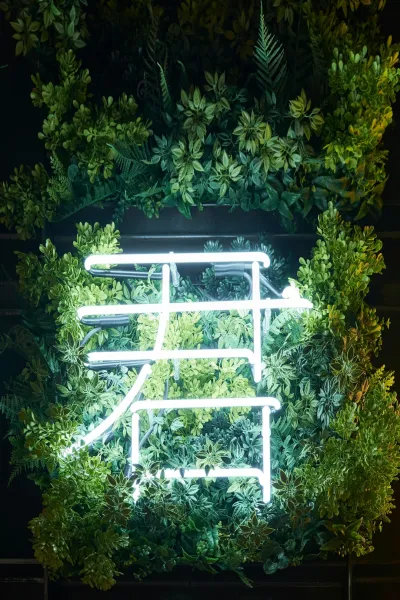
Creating a vibrant outdoor vertical garden is an excellent project for beginners and seasoned gardeners alike. Using repurposed pallets not only helps recycle materials but also adds a rustic charm to your garden. Coupling this with LED grow lights can amplify your gardening efforts, allowing you to extend your growing season and cultivate plants that may not thrive in direct sunlight.
Whether you dream of a colorful flower wall, a fresh herb garden, or a mix of edible and ornamental plants, this project enables you to optimize your outdoor space. Vertical gardening not only maximizes limited land but can also improve air quality and provide insulation for your home. It invites nature into your life, encourages sustainable practices, and ensures you have access to fresh, homegrown produce.
Skill Level: Beginner to Intermediate. The project involves basic woodworking skills but can be simplified with straightforward techniques.
Tools Needed
1. Power Drill: Essential for drilling holes for screws and anchors, making the assembly process easier and faster.
2. Screwdriver: A manual or electric screwdriver will help in securing components, ensuring stability in your vertical garden.
3. Saw: A hand saw or circular saw is necessary for cutting the pallet to the desired size and shape.
4. Measuring Tape: Accurate measurements will ensure that your vertical garden fits perfectly in your chosen space.
5. Level: This tool helps verify that your garden is straight and evenly aligned, preventing any slippage or instability.
6. Wire Cutters: Useful for trimming garden wire, especially if you decide to use it to support climbing plants.
7. Paint or Stain Brushes: If you're customizing the look of your pallets, these tools will help you apply stain or sealant evenly.
8. Gardening Gloves: Protect your hands while working with wood, soil, and plants, ensuring safety and comfort.
Materials
1. Wooden Pallets: 2-4 depending on desired height and size.
2. Wood Screws: Approximately 50 screws to join the pallets and construct the frame (preferably outdoor-rated).
3. Landscape Fabric: 1 roll (about 3’ x 50’) to line the pallets and retain soil.
4. Potting Soil: 2-3 bags (30-40 lbs each) to fill in the vertical garden's planting pockets.
5. Plants/Seeds: Choose 10-20 plants, depending on the space available; consider herbs, flowers, or vegetables.
6. LED Grow Lights: 1-2 fixtures to ensure your plants receive adequate light, especially in shaded areas.
7. Watering Can or Hose: For regular maintenance and ensuring your plants are well-hydrated.
8. Wood Sealant/Paint: 1 can for outdoor protection against weathering.
9. Nails or Garden Wire: Optional for additional support to taller plants.
10. Drill Bit (for wood): 1 for pre-drilling holes in the pallets to avoid split wood during assembly.
Introduction
In recent years, the popularity of vertical gardening has surged, particularly as urban living spaces become more compact. Many city dwellers are turning balconies and backyards into lush green escapes, but limited square footage can often be a barrier. Creating an outdoor vertical garden using repurposed pallets not only saves space but also promotes a sustainable lifestyle by giving new life to materials that could end up in a landfill.
Opting for LED grow lights will add an extra layer of functionality, especially if you live in an area with limited sunlight or wish to cultivate a diverse array of plants. LED lights are energy-efficient, longer-lasting, and provide the necessary spectrum for plant growth. This means you can enjoy the beautiful aesthetics of your vertical garden while availing the comforts of fresh herbs and vegetables.
With relatively simple tools and materials, you can create a stunning vertical garden that becomes a focal point in your outdoor space. This step-by-step guide will walk you through each crucial aspect of the process, catering particularly to beginners. By the end, you’ll not only have a beautiful garden to enjoy but also the skills necessary to nurture it properly.
Step-by-Step Instructions
# ### Step 1: Choosing the Right Location
What: Selecting a suitable spot for your vertical garden.
How: Analyze your outdoor space to find areas with the right balance of sunlight and shade. Most vegetables and herbs thrive in 6-8 hours of sunlight a day. If you have limited sunlight, consider utilizing LED grow lights strategically positioned above the plants.
Tips: Observe your space during different times of the day to understand the sun's movement. Also, ensure the area is protected from strong winds that could damage your plants.
Safety: Clear the area of debris or sharp objects before beginning. You want a safe space to work and prevent any accidents as you handle tools and materials.
# ### Step 2: Preparing the Pallets
What: Preparing your repurposed pallets for use in the garden.
How: Inspect the pallets for any damage, rot, or sharp protruding nails. Use a saw to cut the pallets to your desired height, keeping in mind the overall design. Sand the edges to ensure they are smooth and safe to handle.
Tips: If possible, choose heat-treated pallets, as they typically avoid the use of harmful chemicals often found in other types.
Safety: Always wear safety goggles while using power tools and gloves to protect your hands from splinters.
# ### Step 3: Assembling the Frame
What: Constructing the frame to support the pallets vertically.
How: Use wood screws to attach the pallets to a stable frame made of two vertical wooden posts and horizontal crosspieces. Ensure each pallet is securely fastened to minimize risk of collapsing. If the pallets are heavy, consider using brackets for additional support.
Tips: Make sure to leave space between pallets for air circulation and ease of access for watering and harvesting plants.
Safety: Use a level to ensure your frame remains straight and stable as you work.
# ### Step 4: Lining the Pallets
What: Prepare the inside of the pallets for planting by lining them.
How: Cut landscape fabric into pieces that fit into the plant pockets of the pallets to prevent soil from falling through while still allowing water drainage. Secure the fabric with nails or a staple gun to the interior of each section.
Tips: Ensure the landscape fabric is taut but not overly stretched, as it should hold soil effectively while allowing for expansion when watered.
Safety: Use gloves if using sharp tools for securing fabrics.
# ### Step 5: Filling with Soil
What: Filling the lined pallets with potting soil.
How: Fill each section of the pallets with potting soil. Leave about an inch of space at the top to allow for watering without the soil overflowing. Pat down the soil gently to ensure there are no air pockets.
Tips: Add organic fertilizers into the soil mix to boost plant growth. This creates a fertile ground for your plants and herb roots.
Safety: Use a mask if you have any allergies, particularly when handling potting soil, to avoid inhaling any dust.
# ### Step 6: Plant Selection and Placement
What: Choosing the right plants for your vertical garden.
How: Consider using a mix of edible and ornamental plants. Herbs such as basil, parsley, and thyme are excellent options. For flowers, try trailing petunias or marigolds for visual appeal. Plant taller varieties at the bottom and shorter ones at the top, maximizing visibility and light exposure.
Tips: Research what grows well in your region, particularly if you live in a temperate or varied climate zone.
Safety: Ensure all plants are safe if you have pets or children around.
# ### Step 7: Installing LED Grow Lights
What: Setting up LED lights for optimal growth.
How: Mount the LED grow lights above the vertical garden. Ensure they are within a suitable distance from your plants, typically around 12-24 inches, to avoid burning them. Your lights should be on a timer for about 12-16 hours of exposure daily.
Tips: Choose LED lights that mimic natural sunlight for the best results.
Safety: Ensure that wiring is secure and protected against moisture. Follow the manufacturer's instructions for installation.
# ### Step 8: Watering and Maintenance
What: Establishing a routine for plant care.
How: Water the plants regularly, ensuring the soil remains moist but not waterlogged. Use a watering can or hose to reach the plants at different heights. Check for pests or diseases and adjust the watering schedule based on weather conditions.
Tips: Consider installing a drip irrigation system for easier maintenance and consistent watering, particularly if you are using a larger frame.
Safety: Be cautious not to overwater, which can lead to rot and unhealthy plants.
# ### Step 9: Monitoring Growth
What: Observing and managing plant development.
How: Regularly check the growth of your plants and the health of the soil. Trim any dead or yellowing leaves to encourage new growth and prevent disease. Take notes on what works best for your plants regarding positioning, watering, and light exposure.
Tips: Keep a gardening journal to track the progress of your vertical garden, including what plants thrive and any issues encountered.
Safety: Dispose of any diseased or dead plants properly to avoid transferring issues to healthy plants.
# ### Step 10: Enjoying the Harvest
What: Gathering your plants and sharing your success.
How: As your plants flourish, begin harvesting herbs and vegetables. Regular harvesting encourages further growth and allows you to enjoy the fruits of your labor. Share your produce with friends and family, or dry and store herbs for later use.
Tips: Harvest in the morning, when the essential oils in herbs are most potent. This ensures maximum flavor and freshness.
Safety: Always wash produce thoroughly before consumption, particularly if grown near pathways or where animals may roam.
Troubleshooting Common Issues
1. Yellowing Leaves: This can often signal overwatering or nutrient deficiencies. Fix: Assess your watering schedule, and check soil moisture levels. If under-fertilized, consider a balanced fertilizer.
2. Wilted Plants: Lack of water or excessive heat may be to blame. Fix: Check soil moisture and increase watering frequency during hot spells. Ensure adequate air circulation around plants.
3. Pests: Insects often invade on occasion. Fix: Regularly inspect plants for pests and apply organic insecticides or neem oil to combat infestations.
4. Poor Light: Insufficient growth may occur if the LED lights aren’t reaching the plants adequately. Fix: Adjust the height of the lights or consider adding more fixtures based on your plant's light needs.
5. Soil Erosion: Soil may settle and spill out of the pallets over time. Fix: Add extra landscape fabric or a mesh lining to hold the soil in place more effectively.
Conclusion
In conclusion, creating an outdoor vertical garden using repurposed pallets and LED grow lights is a fulfilling and sustainable project. By following this guide, beginners can enjoy the unique experience of growing their plants while contributing positively to the environment. With a little planning and care, you’ll have a thriving vertical garden that not only beautifies your outdoor space but also enhances your culinary endeavors.
Feel free to experiment with various plant combinations and pallet designs. Consider adding decorative elements like fairy lights or garden art to further personalize your garden. Remember that every garden is a journey; thus, maintenance is vital, including recognizing when it's time to replant or remove struggling plants.
Enjoy the process and happy gardening!