How to create a vertical garden using repurposed pallets and natural materials
Introduction
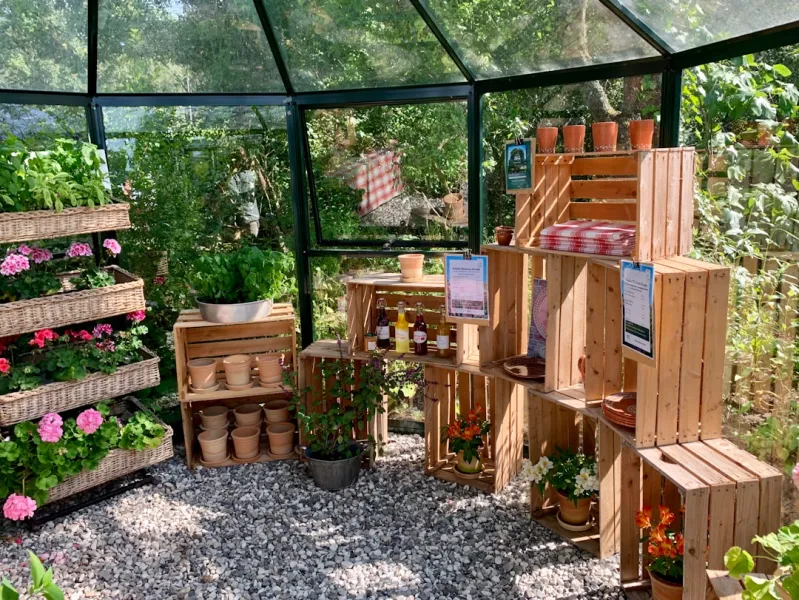
Creating a vertical garden using repurposed pallets and natural materials is not just an eco-friendly endeavor; it’s a practical and fulfilling project that can transform any small space into a beautiful oasis of greenery. Urban living often limits available ground space for gardening, leading many aspiring gardeners to seek creative solutions for their horticultural yearnings. Vertical gardens allow you to maximize space while providing a stunning profusion of colors and textures.
One of the most appealing aspects of a vertical garden made from repurposed pallets is the sustainability factor. Rather than purchasing new materials, using old pallets enables you to recycle and breathe new life into something that may have been discarded. This fosters a sense of responsibility towards our environment and promotes the principles of reusing and recycling.
Benefits of a vertical garden extend beyond aesthetics. They can improve air quality by filtering pollutants, reduce heat around your home, provide insulation, and create calming outdoor areas that can improve mental health. If you live in a small apartment or have limited outdoor space, a vertical pallet garden can provide a suitable area for growing herbs, vegetables, or colorful flowers.
Skill Level: This project is beginner-friendly with moderate complexity, making it accessible for anyone willing to try their hand at DIY projects. With careful planning and execution, you can easily create your own vertical garden that suits your style and space.
Let’s get started!
Tools Needed
- Screwdriver or Drill: This is essential for assembling your pallet and securing any additional supports. A drill will save you time if you have multiple screws to drive in.
- Saw: A hand saw or power saw will help you cut pallets or wood to the desired size for your garden. This is crucial for customization.
- Measuring Tape: Accurate measurements are key to a successful project. You need to ensure your pallet fits into your designated space and that plants are spaced appropriately.
- Sandpaper or Orbital Sander: To prepare the pallet, you’ll want to smooth any rough edges or surfaces, ensuring it’s safe and won’t splinter.
- Gardening Gloves: Essential for protecting your hands during assembly and plant handling. They help prevent splinters and cuts.
- Level: A level will ensure your vertical garden is straight and secure, which is visually appealing and structurally sound.
- Trowel: This handy tool will help with planting and digging soil into the pallet's areas where plants will thrive.
- Hammer: You’ll need a hammer to secure any additional supports or reinforcements for your pallet garden.
Materials
- Wooden Pallet (1-2): Based on your available space, one or two pallets may be needed. Be sure they are in good condition and safe for planting.
- Landscape Fabric (1-2 yards): This will act as a barrier between the soil and the pallet wood, preventing rot and helping retain moisture.
- Potting Soil (2-3 bags): Select a high-quality potting mix that offers good drainage and nutrients for your plants.
- Plants or Seeds (varies): Depending on your plant choices, you may want small herb plants, flowers, or seeds. Aim for 6-8 plants for a standard pallet.
- Staples or Fabric Tacks: About 100 to secure landscape fabric to your pallet.
- Wood Screws (1 lb): To secure your pallet components and ensure stability.
- Wood Sealant or Outdoor Paint (optional): If your pallet is not weather-treated, this can protect it from the elements.
- Watering Can or Hose Attachment: Essential for maintaining your vertical garden after planting.
Step-by-Step Instructions
Step 1: Choose the Right Pallet
Begin by selecting a wooden pallet that is safe for gardening. Look for pallets that are clean, dry, and free of chemical markings. The best option is usually a heat-treated pallet (marked with "HT") as they are less likely to contain harmful chemicals. Inspect the pallet for structural integrity and avoid those with rotting wood or broken boards.
Tip: Use a pallet that is in good condition; broken pallets can compromise the whole structure.
Step 2: Prepare the Pallet
After securing a good-quality pallet, it’s time to prepare it for planting. First, sand down any rough edges or surfaces to prevent splinters. This step is crucial, especially since you’ll be working with it frequently while planting and watering.
Next, if you opted for exterior paint or a wood sealant, apply it now. This will protect the wood from weather conditions and extend its life.
Safety Tip: Always wear gloves while sanding and painting to protect your hands from splinters and harmful chemicals.
Step 3: Measure and Cut the Landscape Fabric
Next, measure the dimensions of your pallet. You will need enough landscape fabric to cover the back, bottom, and sides of the pallet (to help retain soil). Cut the fabric accordingly.
How-To: Allow for extra fabric that you can staple to the sides—this will ensure that the soil and moisture remain in place.
Step 4: Attach the Landscape Fabric
Secure the landscape fabric to the pallet using staples or fabric tacks. Start from the bottom and work your way up to keep the fabric taut. First, staple the fabric on the back and allow the excess to hang over the edges, creating pockets for soil.
Tip: Be careful to avoid over-stretching the landscape fabric. You want it snug but not overly tight, which could cause tearing.
Step 5: Add Soil
Once the fabric is securely fastened, it’s time to add the potting soil to the pallet. Carefully fill each section of the pallet with soil, pressing it down gently to create space for your plants or seeds.
How-To: Make sure you fill from the top to the bottom; this will allow the soil to settle evenly, preventing air pockets that can dry out roots.
Step 6: Planting
Select plants suitable for vertical gardening, such as trailing herbs (like oregano and basil), flowering vines, or even succulents. If starting from seeds, follow the planting guidelines on the seed packets for depth and spacing.
How-To: While planting, make sure to pack the soil lightly around the plants to secure them without compressing too tightly.
Tip: Alternate different plant types for visual interest and consider how much sun each plant needs.
Step 7: Positioning Your Vertical Garden
Now that your pallet is planted, it’s essential to position it correctly. Decide whether you want it mounted on the wall or standing upright. If hanging, you’ll need to reinforce it with brackets. Ensure it is securely attached to a wall or fence to prevent it from falling.
How-To: Use a level to check that the pallet is straight during installation. This will help ensure the stability of your plants and the overall aesthetic.
Step 8: Watering and Maintenance
After planting, water the vertical garden thoroughly to help the plants settle into their new home. Depending on the plants you selected, monitor their moisture levels and maintain a watering schedule.
Tip: For a vertically hung pallet, consider adding a drip irrigation system or using a hose attachment to make watering easier.
Safety: Be conscious of water runoff; place trays or catch materials below the garden to prevent water damage to your wall or floor.
Step 9: Fertilize
To promote healthy growth, add a balanced fertilizer suitable for your plant types. This step is critical, particularly after the initial planting needs, as it provides vital nutrients and fosters robust growth.
How-To: Follow the package instructions for how frequently to apply fertilizer; every 4-6 weeks works well in most cases.
Step 10: Monitor for Pests and Growth
Regularly check your vertical garden for any signs of infestations or diseases. Pests can be deterred with natural solutions, like neem oil or insecticidal soap, which you can apply lightly.
Tip: Keep a gardening journal to track your plants' growth and any issues you encounter. This documentation will be an invaluable resource for future gardening adventures.
Troubleshooting
Even when you follow these steps diligently, you may encounter some issues. Here are five common problems and solutions:
1. Plants Wilt or Die:
- Cause: Overwatering or underwatering.
- Fix: Adjust your watering schedule based on the specific needs of your plants. Check for drainage to ensure excess water is escaping.
- Cause: Attractiveness of plants to insects or pests.
- Fix: Inspect plants regularly and apply organic pest control methods to mitigate infestations.
- Cause: Insufficient landscape fabric or too much rain.
- Fix: Reinforce the landscape fabric and consider placing a mesh screen in front of the openings to hold the soil in place.
- Cause: Shock from relocation too soon.
- Fix: Ensure plants are acclimated to their new environment slowly. Introduce them gradually to sunlight if moving from indoors to the garden.
- Cause: Incompatible plant pairings or inadequate sunlight.
- Fix: Reassess your plant choices, ensuring they are companion plants and positioned according to their sun exposure requirements.
Conclusion
Creating a vertical garden using repurposed pallets and natural materials can be a rewarding DIY project that provides beauty, utility, and sustainability. It’s a creative way to utilize old pallets while cultivating the joy of gardening without needing extensive ground space.
You can experiment with different plant combinations, color varieties, and even train vines for added visual texture! Maintenance involves regularly watering and checking for pests, ensuring your garden is both a beautiful and healthy space.
As you gain confidence and experience, consider expanding your vertical gardening projects to include additional structures or experimenting with different materials. The possibilities are as vast as your imagination!
Happy gardening!