How to create a vertical hydroponic garden using upcycled plastic bottles
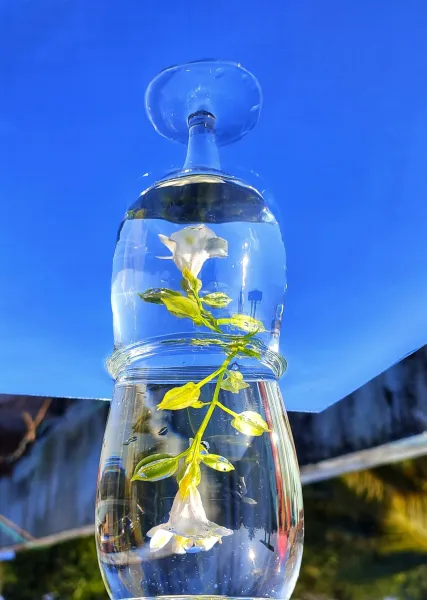
Creating a vertical hydroponic garden using upcycled plastic bottles is an innovative and eco-friendly project that combines sustainability with the joy of gardening. This project not only helps in reducing plastic waste but also enables you to grow your own fresh herbs and vegetables in a limited space. Hydroponic gardening allows you to cultivate plants without soil by using nutrient-rich water, making it an excellent option for urban dwellers who might have limited access to traditional gardening spaces.
Why This Project? As global awareness around environmental issues rises, many people are seeking ways to contribute positively to the ecosystem. Upcycling plastic bottles into a vertical hydroponic garden is a fantastic way to recycle materials that would otherwise contribute to landfill waste. Additionally, this gardening method grows plants faster and often yields higher quantities than traditional soil gardening. When using hydroponics, plants receive nutrients directly through the water, allowing for better absorption and faster growth rates.
Benefits:
- Space Efficiency: Vertical gardens occupy minimal ground space while maximizing plant growth.
- Reduced Water Usage: Hydroponics uses about 90% less water than conventional gardening.
- Year-Round Gardening: Ideal for indoors or in diverse weather conditions, allowing for year-round harvest.
- Fast Growth: Without soil diseases or pests, plants thrive more efficiently.
- Self-Sufficiency: Grow your own fresh herbs and vegetables for healthier meals.
Tools Needed
1. Utility Knife or Scissors - To cut the plastic bottles; scissors will work for thinner bottles whilst a utility knife is more efficient for thicker plastic. 2. Drill with Drill Bits - For creating drainage holes and assembling the structure; a power drill with a ¼ inch drill bit will make the process faster and cleaner. 3. Measuring Tape - Essential for ensuring even spacing and alignment when stacking your bottles. 4. Screwdriver - For attaching the vertical garden frame together if you choose to build a sturdy support system. 5. Pliers - Useful for adjusting any tight fittings or securing wires. 6. Hot Glue Gun & Glue Sticks - For a quick and effective way to seal any gaps or reinforce connections. 7. Watering Can or Spray Bottle - To water your plants once the system is assembled; ensures you can deliver water without disassembling the structure. 8. Safety Goggles - Protect your eyes when cutting or drilling plastic.
Materials
1. Plastic Bottles: 8-10 soda or water bottles (2-liter bottles work best). 2. Nutrient Solution: 1 bottle of hydroponic nutrient mix. 3. Growing Medium: 1-2 bags of clay pebbles or rock wool. 4. Vinyl tubing: 10 feet to deliver water to each bottle. 5. Pump: Small aquarium pump or fountain pump for water circulation. 6. Wire or String: 25 feet for hanging or securing the structure. 7. PVC Pipe or Wooden Frame: 1-2 pieces for structural support (length depends on your desired height). 8. Drip tray: 1 to collect excess water (a shallow container works too). 9. Plant Seeds: 10-15 packets of your choice (basil, lettuce, or herbs). 10. Tape or Adhesive: Duct tape for extra stability if needed.
Step 1: Gather Your Supplies
Before starting your vertical hydroponic garden, gather all the necessary supplies listed above. This makes the entire process seamless and organized. Create a workspace in a well-ventilated area with plenty of light, perhaps even outside if the weather permits. Tip: Make sure to check for any holes in your bottles that may cause leaks before proceeding.
Step 2: Prepare Your Plastic Bottles
Take your plastic bottles and clean them thoroughly to remove any residue from the contents. Cut each bottle in half, using the bottom half to hold the plant and the top half to serve as a funnel for watering. Make sure to have drainage holes at the bottom. For larger bottles, you can cut more extensive openings to enable your plants to grow adequately. Safety Tip: Wear gloves when cutting to prevent any accidents with sharp edges.
Step 3: Drill Drainage Holes
Using your drill, make multiple holes in the bottom of each plastic bottle to allow excess water and nutrients to drain out. This step is crucial as it prevents root rot and overwatering. Create around 5-6 small holes spaced evenly across the base of each bottle. Ensure the holes are not too large, as a balance needs to be struck; you want enough drainage without losing the growing medium.
Step 4: Create the Support Structure
Construct a vertical support structure for your garden. This can be accomplished using PVC pipes, wooden pallets, or even repurposed wooden planks. The height will depend on your placement area and how many bottles you have prepared. Use a level to ensure your structure is stable and secure. If using PVC pipes, cut them to your desired height, and drill holes for each bottle to rest into. Tip: To enhance stability, you can use wire or string to tie the bottles to your structure.
Step 5: Set Up the Watering System
Cut the vinyl tubing into sections that will allow it to reach each bottle from the aquarium pump. Connect one end to the pump and insert the pump into the bottom of the PVC or frame structure so that it can deliver nutrient-rich water any time you need it. Ensure there are enough holes in the tubing to allow water to flow to each bottle effectively.
Step 6: Fill the Bottles with Growing Medium
Now that you have prepared your bottles, it's time to fill them with your chosen growing medium: clay pebbles or rock wool. Fill each bottle to about three-quarters full. You want to make sure the medium is adequate to support the plants while allowing ample space for water circulation.
Step 7: Plant Your Seeds
Once the bottles are prepped and filled with your growing medium, it's time to plant your seeds. Follow the seed packet’s guidelines regarding spacing and depth. Sow 2-3 seeds per bottle, as not all seeds may germinate. Cover them lightly with the growing medium. Water them lightly to initiate their growth. This initial phase requires gentle care; monitoring moisture levels is essential.
Step 8: Assemble the System and Add Water
After planting, it’s time to assemble the vertical garden. Carefully place the bottles into the support structure at regular intervals, ensuring they have clearance for their growth. Once assembled, fill the drip tray with water mixed with hydroponic nutrient solution as per instructions on the package. Plug in the pump so the nutrient flow starts, ensuring all bottles receive nourishment. Adjust the water flow as necessary to ensure equal distribution.
Step 9: Maintain Your Hydroponic Garden
Attend to your garden regularly. Monitor the water levels in both the reservoir and the bottles. Water levels drop quickly with growing plants due to evaporation and absorption. Top-up your nutrient solution weekly. Observe the plant growth, and adjust the nutrient solution mixture based on the growth stage of your plants. Remove any yellowing leaves to prevent diseases from spreading within your garden.
Step 10: Harvest and Enjoy
After a few weeks to months, you should start seeing growth in your herbs and vegetables. Most herbs can be harvested continuously; trim them back but allow them to regrow. For leafy greens, you can harvest outer leaves to encourage new growth. Always wash your produce before consumption.
Troubleshooting Your Vertical Hydroponic Garden
1. Yellow Leaves: This can indicate over-fertilization or nutrient deficiency. Adjust your nutrient solution and ensure proper drainage.
2. Slow Plant Growth: Ensure adequate light (natural or grow lights) and check nutrient levels. Lack of essential vitamins can stunt growth.
3. Root Rot: If you notice foul smells or discoloration, it usually indicates overwatering. Check drainage holes and reduce water flow.
4. Pests: Regularly inspect your plants for pests such as aphids or spider mites. Use natural insecticidal soaps or neem oil as a treatment.
5. Dead Plants: If plants aren’t thriving or appear limp, check for environmental issues: insufficient light, improper watering, or nutrient concentration.
Conclusion
Creating your vertical hydroponic garden using upcycled plastic bottles is not just a satisfying DIY project—it's a step towards sustainable living and self-sufficiency. With minimal tools and materials, anyone can embark on this journey to nourish their body with homegrown produce. As you get accustomed to maintaining your garden, consider experimenting by adjusting plant selections or growing mediums. This project also opens opportunities for further creativity, such as adding decorative elements or varying your vertical arrangements.
With regular maintenance and care, your vertical hydroponic garden can flourish, bringing joy and freshness into your home! Consider involving family or friends in your gardening adventure; hydroponics can be a fun community activity with rewarding outcomes.
Happy Gardening!