How to create a vertical garden using upcycled plastic bottles and LED grow lights
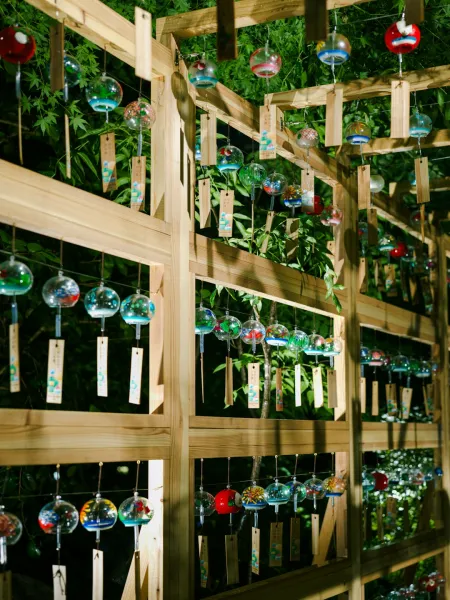
Creating a vertical garden is an exciting project that combines gardening, recycling, and innovative space-saving techniques. Upcycling plastic bottles not only contributes to reducing waste but also offers a fantastic way to cultivate herbs, vegetables, and decorative plants right at home. This DIY guide will take you through the process of transforming simple plastic bottles into a beautiful, functional vertical garden illuminated with LED grow lights.
Why This Project?
Urban living and limited space have made traditional gardening a challenge for many. Thankfully, vertical gardening provides a solution by maximizing vertical space. By utilizing upcycled plastic bottles, you can create an eco-friendly garden that allows you to grow a variety of plants in a confined area. Among the many benefits, embracing this DIY project can enhance the aesthetics of your living space while promoting sustainability.
Furthermore, growing your herbs and vegetables can save money on grocery bills, reduce the carbon footprint associated with food transport, and provide you with fresh produce right outside your door. The project is beginner-friendly, requiring no advanced gardening skills or specialized tools, making it an approachable venture for anyone enthusiastic about gardening.
Skill Level
- Beginner: This project is ideal for those new to gardening or DIY projects, offering an engaging way to learn about plants and sustainability.
Tools Needed
1. Scissors/Utility Knife: These are essential for cutting the plastic bottles to the desired size for your vertical garden. Be cautious while handling sharp objects.2. Drill with drill bits: For making drain holes in the bottles and creating attachment points for hanging, a drill is a crucial tool to enhance your vertical garden's longevity.
3. Measuring Tape: Use this tool to measure the bottles and space between them accurately, ensuring a level and balanced garden setup.
4. Screwdriver: A screwdriver might be necessary for attaching screws or brackets to secure your vertical garden to a wall or frame.
5. Watering Can or Spray Bottle: These tools will help you care for your plants by delivering water efficiently without over-saturating them.
6. Small Potting Spade or Trowel: Useful for transplanting seedlings or soil amendments into your plastic bottle garden, a trowel aids in handling soil.
7. Garden Gloves: Protect your hands while working with soil and cutting plastic, ensuring a safer and more comfortable experience.
8. Zip Ties or String: These will be useful for securing the bottles together or attaching them to a supporting structure, providing stability to your vertical assembly.
Materials
- Plastic Bottles (6-10 pieces): Depending on your desired size for the vertical garden. Standard two-liter bottles work well.
- Potting Soil (2 bags): Quality potting soil sustains plant growth, providing essential nutrients for your plants.
- Plants/Seeds (5-10 varieties): Choose based on your preference; herbs like basil, cilantro, or mint, are great starter plants.
- LED Grow Lights (1-2 fixtures): Select energy-efficient LED grow lights appropriate for the number of plants you intend to grow.
- Nails or Screws (for hanging): Depending on the installation method, ensure you have adequate hardware for securing your vertical garden.
- Plastic Sheeting or Drip Tray: To catch any excess water and maintain cleanliness.
- Water (for initial plant hydration): Ensure you have enough water on hand for your plants during the initial setup.
- Fertilizer (optional): Organic or water-soluble fertilizer to boost growth and health of your plants in the long term.
Step-by-Step Instructions
### 1. Preparation of Bottles
Start by cleaning your plastic bottles thoroughly. Remove all labels and residue, as any materials can affect soil drainage and plant growth. Use a utility knife or scissors to cut the bottles in half or leave a small opening at the top for planting. Tip: To create drainage holes, use a heated screwdriver or drill in the bottom section to prevent root rot later.
### 2. Create the Planting Base
To provide each bottle with soil, pour potting soil into the bottom half of each bottle. Fill it about three-quarters of the way, leaving enough room for your plants. Tip: Consider layering soil with compost for added nutrients. Use your trowel to compress the soil gently.
### 3. Choose and Plant Seeds/Saplings
Each bottle should hold a few seeds or a young sapling. If using seeds, read the packaging for appropriate planting depth. For saplings, create a small hole in the soil and gently position the plant in, ensuring the roots are covered adequately with soil. Tip: Opt for fast-growing or bushy varieties to fill the space effectively.
### 4. Assembly of Vertical Structure
Decide on the design and location for your vertical garden. You can mount the bottles directly against a wall or attach them to a wooden frame. Secure the bottles using zip ties, string, or screws. Tip: Ensure that the bottles are tilted slightly downwards to enhance drainage and prevent water collection.
### 5. Attach LED Grow Lights
Install your LED grow lights above the vertical garden to ensure adequate sunlight for your plants. Depending on your arrangement, you might need one or two fixtures. Follow the manufacturer instructions for installation and connections—make sure the lights are adjustable to cover all plants effectively. Tip: Set a timer to automate the lighting schedule—most plants will thrive with about 12-16 hours of light per day.
### 6. Water Your Plants
Gently water each bottle after planting to ensure proper moisture levels for the seeds or saplings. A spray bottle or watering can work best for this. Tip: Check the moisture level of the soil daily for the first week to establish a routine; water as necessary without over-saturating.
### 7. Nutrient Boosting
Once your plants have established themselves, consider applying a liquid organic fertilizer once every few weeks to enhance growth. Dilute according to package directions, ensuring you do not over-fertilize. Tip: Always perform a soil moisture test before fertilizing to ensure the plants are hydrated sufficiently.
### 8. Monitor Growth and Health
Keep an eye on your vertical garden for any signs of pests or diseases. Inspect leaves regularly for any discoloration or spots, representing a health issue. Tip: Adjust your watering schedule or reposition plants if needed; sometimes, too much sunlight can be just as harmful as too little.
### 9. Maintenance
As your plants grow, regular maintenance is key. Prune any dead leaves or stems to promote healthier growth. Also, ensure your LED lights remain clean and functional, changing bulbs as necessary. Tip: It’s also sensible to rotate plants occasionally so they all receive equal light exposure.
### 10. Enjoy the Benefits!
Finally, reap the rewards of your efforts. Fresh herbs for your cooking or beautiful flowers to enhance your living space are just a few steps away. Involve family and friends in regularly harvesting or maintaining your garden, making it a shared experience that promotes a greater appreciation for nature.
Troubleshooting
Even with careful planning, your vertical garden may encounter some issues. Here are five common challenges and their solutions:
1. Yellow Leaves: This is often indicative of overwatering or poor drainage. Ensure your bottles have adequate drainage holes; consider using less water or more drainage materials like gravel.
2. Dying Plants: If your plants seem to be wilting or dying, check the sun exposure. Move the setup closer to the light source or adjust the LED lights for optimal growth hours.
3. Pests: If you notice bugs on the plants, it may be time to inspect for spider mites or aphids. Remove the infected leaves and consider using insecticidal soap to treat your plants.
4. Mold Growth: If you see mold forming, it usually means there is too much moisture. Adjust your watering schedule and allow more airflow around the bottles to minimize humidity.
5. Leggy Growth: If plants are growing tall and straggly, they are likely reaching for light. You may need to lower your lights or prune your plants, encouraging bushier growth.
Conclusion
Creating a vertical garden with upcycled plastic bottles and LED grow lights is not only an eco-friendly project but also a rewarding and practical way to utilize small spaces for growing plants. From preparation and assembly to maintenance and troubleshooting, every step contributes to a delightful gardening experience. As you embrace this adventure, consider experimenting with different plant varieties or expanding to more unusual features, such as adding wall-mounted shelves for additional containers.
Regular care will not only keep your vertical garden blooming but also cultivate a deeper connection to nature right within your home. Happy gardening!