How to create a vertical garden using repurposed pallets and drip irrigation systems
Introduction
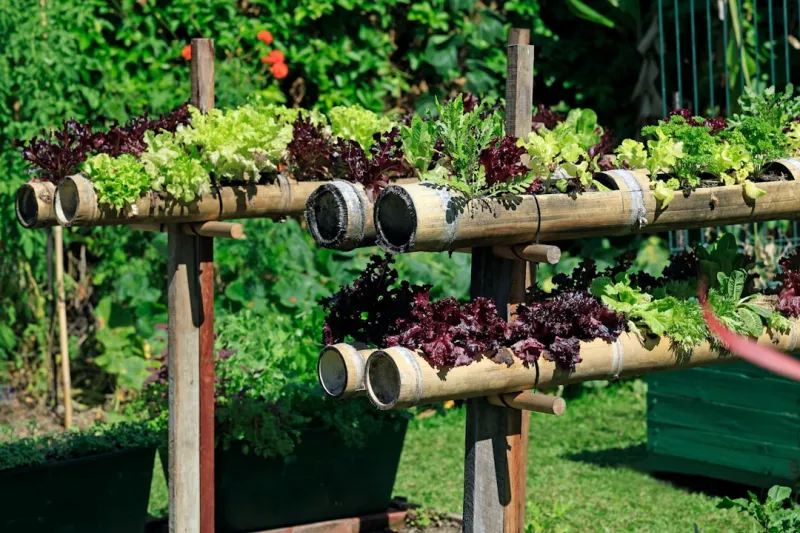
In today’s fast-paced world, finding innovative ways to incorporate greenery into our living spaces can enhance aesthetics, improve air quality, and even provide fresh produce. One of the best ways to achieve this is by creating a vertical garden. This project not only beautifies your environment but also offers a thriving habitat for flora in typically constrained spaces. By using repurposed pallets, you embrace sustainability while reducing waste – a win-win for the planet and your garden.
A vertical garden can turn an uninspiring fence, wall, or balcony into a lush oasis. The benefits are numerous: they’re space-efficient, require less watering than traditional gardens, foster creativity, and can even provide fresh herbs, vegetables, or flowers, depending on your selection. The skill level of this project is beginner-friendly! With some basic tools and materials at hand, anyone can embark on this fulfilling endeavor, even if you’ve never gardened before.
Moreover, adding a drip irrigation system to your vertical garden makes caring for your plants much simpler. It minimizes the risk of over-watering or under-watering and saves time as you automate your watering schedule. Ultimately, this DIY guide will walk you through every step of creating your vertical garden, empowering you to cultivate your own green paradise.
Tools Needed
- Power Drill: Essential for making holes in the pallets for drainage and attaching various components securely.
- Saw (Hand saw or power saw): Needed for cutting pallets to the desired size or modifying them for best fit.
- Measuring Tape: Accurate measurements are crucial when crafting your vertical garden, ensuring stability and effectiveness.
- Screwdriver: For securing screws in place and fastening any additional features to the pallets.
- Garden Gloves: Protect your hands from rough wood surfaces and soil while handling materials.
- Staple Gun: To affix landscaping fabric to the back of the pallets securely, preventing soil from spilling out.
- Level: To ensure your vertical garden is mounted evenly, providing structural integrity and aesthetic appeal.
- Hose or Watering Can: To initially water your plants before setting up the drip irrigation system.
Materials
- Repurposed Pallets (2-3): Aptly sized pallets serve as the base structure for your vertical garden.
- Landscaping Fabric (1 roll): Acts as a barrier layer to hold soil while allowing water to drain adequately.
- Soil Mixture (2-3 bags): Use a lightweight potting mix suitable for vertical gardening.
- Plants (5-10): Choose a mix of herbs, succulents, or flowers tailored to your space and climate.
- Wood Screws (1 box): For securing components together firmly.
- Hinges (optional, 2-4): If you want to create movable panels that can make maintenance easier.
- Drip Irrigation Kit: This should include tubing, connectors, and emitters based on your garden’s size.
- Plastic Bottles/Drip Emitters (as needed): Use these for watering plants independently via the drip system.
- Wood Finish or Sealant (1 can): Treat the pallets to withstand the elements and prolong their lifespan when placed outdoors.
- Brackets for Wall Mounting (if needed): To secure the pallets to walls or fences for stability.
Step-by-Step Guide to Creating a Vertical Garden
Step 1: Planning Your Space
Before diving into the physical labor, assess your available space. Consider factors like sunlight exposure, proximity to water sources, and desired plant varieties.
- What: Sketch a design layout for your vertical garden. Identify the height and width suitable for your area.
- How: Use a measuring tape to determine how many pallets you’ll need and what plants will thrive in the conditions you have.
- Tips: Opt for lightweight plants at the top and heavier ones at the bottom to maintain balance.
- Safety: Make sure the area is clear of any obstructions, and be aware of overhead power lines or other hazards nearby.
Step 2: Choosing and Preparing Your Pallets
Once your space planning is complete, it’s time to source your pallets which should be free of chemicals.
- What: Good pallets are made from untreated wood and should be sturdy with no broken boards.
- How: Look for pallets at local businesses or reclamation yards. When you collect them, inspect each pallet for harmful substances like pesticides.
- Tips: Use a power drill to remove any stray nails or screws. Sand down rough areas to prevent splinters.
- Safety: Wear gloves and a dust mask while sanding to avoid injuries and inhalation of wood dust.
Step 3: Assembling the Pallets
Now it’s time to create the vertical structure.
- What: Decide whether you want a single column or multiple tiers using multiple pallets.
- How: Secure pallets together using screws. If building multiple tiers, position the lower pallet slightly backward to give the upper ones a slight overhang.
- Tips: Ensure that all screws are fastened tightly and consider using additional brackets for extra stability.
- Safety: Always use proper lifting techniques when handling heavy pallets; lift with your knees, not your back.
Step 4: Adding Landscaping Fabric
To prevent soil from leaking out of your vertical garden, cover the inside of the pallets.
- What: Lay landscaping fabric inside the pallets, allowing enough excess to fold over the top.
- How: Use a staple gun to secure the fabric onto the backside of the pallet, making sure it’s taut and covers all holes.
- Tips: Double-check for gaps or holes that could result in soil exposure.
- Safety: Use gloves while handling the fabric to avoid injury.
Step 5: Filling with Soil
The next step is crucial for ensuring your plants thrive.
- What: Fill the structured pallet with an appropriate potting mix.
- How: Leave the topmost layer empty to allow for plants' roots to establish themselves without overcrowding. Aim for around 80% capacity.
- Tips: Using a trowel to pack dirt down gently can help ensure stability.
- Safety: Wear a mask if you are sensitive to dust when working with soil.
Step 6: Planting
Select your plants based on sunlight availability and your taste preferences.
- What: Choose plants that will grow well together, i.e., herbs like rosemary and thyme or flowers like petunias.
- How: Create holes in the soil and insert each plant’s roots, pressing the soil back to ensure good contact.
- Tips: Arrange taller plants at the back and shorter ones at the front for visibility.
- Safety: Keep in mind that some plants may be toxic. Wear gloves if needed and keep them out of reach of pets and children.
Step 7: Setting Up the Drip Irrigation System
Automatic watering is one of the biggest advantages of a vertical garden.
- What: Gather all irrigation components and layout the structure.
- How: Connect the main hose to the water supply source, and measure how long the tubes need to be for each plant.
- Tips: Use emitters at the base of each plant to distribute water effectively. Test the system before securing everything in place.
- Safety: Ensure that all connections are watertight and check for leaks.
Step 8: Positioning the Vertical Garden
Now that everything is complete, it’s time to position your garden!
- What: Depending on the weather and sunlight, you can choose to mount the garden directly on a wall or use it as a freestanding structure.
- How: Use brackets or anchors, ensuring that your vertical garden is secure and heavily mounted if it's wall-mounted.
- Tips: Position your garden where it can enjoy ample light while being protected from strong winds.
- Safety: Confirm the weight of the assembled structure; ensure your mounting hardware can bear its load.
Step 9: Maintenance and Care
Establishing a routine care schedule is vital for the longevity of your new garden.
- What: Regularly check plants for pests or wilt and irrigate as needed.
- How: Water using your drip system, and if necessary, adjust emitter positioning to ensure all plants receive equal hydration.
- Tips: Consider nutrient fertilizers and replace soil every season for optimum growth.
- Safety: Use caution while working around watering systems.
Step 10: Enjoying Your Vertical Garden
Ultimately, the purpose of your vertical garden is to enjoy it!
- What: Take time to relax amidst your greenery, and if you chose edible plants, consider incorporating them into your meals!
- How: Track plant growth and share your progress on gardening forums or with friends and family.
- Tips: Experiment with different plants over time; seasonal changes can yield unique results.
- Safety: Always be cautious when harvesting plants; remember to wear gloves if handling any plants you’re unsure of.
Troubleshooting
As with any DIY project, issues may arise. Here are common problems you might encounter and how to resolve them:
1. Overwatering: If plants appear wilted or yellowed, it might be due to excessive watering from your irrigation system.
- Fix: Adjust the emitter’s flow rate or reduce watering frequency. Ensure drainage holes are not clogged.
- Fix: Use insecticidal soap or introduce beneficial insect species like ladybugs to manage pest populations.
- Fix: Ensure proper airflow around the plants and lessen the watering routine if necessary.
- Fix: Reinforce the fabric or supplement soil more often as needed.
- Fix: Trim plants and consider rotating or replacing them regularly to promote healthy growth and diversity.
Conclusion
Creating a vertical garden using repurposed pallets and a drip irrigation system is a rewarding project that combines environmental sustainability with aesthetic appeal. This guide has walked you through each step, ensuring you have a solid foundation for success.
Remember: the sky's the limit! Feel free to explore variations like adding decorative features or experimenting with different plant types. Regular maintenance is key to keeping your garden flourishing, and seasonal changes will provide new opportunities to refresh your design.
Your vertical garden not only enhances your living space but can also improve your mental well-being and provide nutritious produce right at your fingertips. Dive in and enjoy the journey of creating your own green haven!