How to create a vertical garden using reclaimed pallets and drip irrigation system
Intro (250+ words)
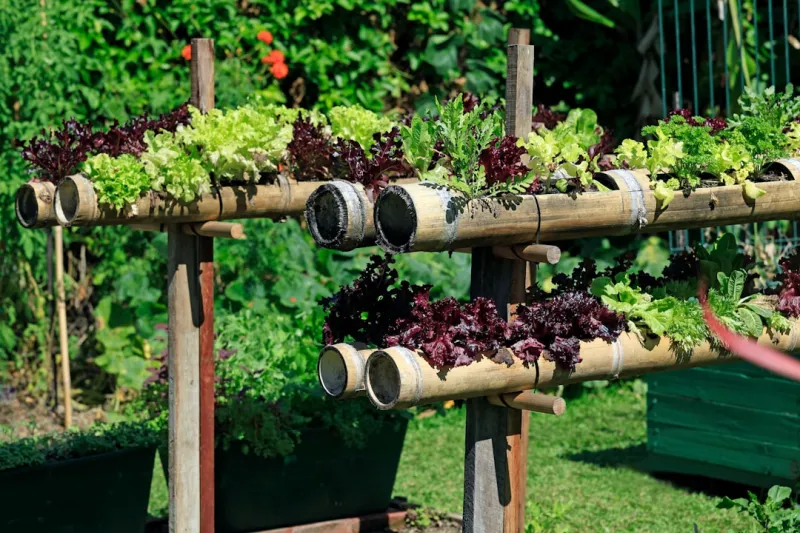
Are you a gardening enthusiast looking to enhance your planting space without needing a large backyard? Or perhaps you're an urban dweller yearning to bring greenery into your home? If so, creating a vertical garden using reclaimed pallets may just be the perfect project for you! Vertical gardens not only maximize limited space but also provide an eye-catching aesthetic that breathes life into otherwise dull walls or patios. With the increasing interest in sustainable living, using reclaimed materials like old pallets is an excellent way to decrease waste and promote environmental stewardship.
The benefits of vertical gardening extend beyond mere aesthetics and sustainability. A vertical garden can improve air quality, provide insulation, and encourage biodiversity by attracting various beneficial insects and wildlife. Moreover, by growing your plants vertically, you can reduce soil requirements and water consumption, thanks to efficient irrigation systems such as drip irrigation. This method ensures your plants receive consistent moisture without overwatering.
Don't shy away from this adventurous yet rewarding project—whether you classify yourself as a beginner or an experienced gardener, the process can be a fun and educational experience. Crafting a vertical garden with reclaimed pallets and a reliable drip irrigation system is doable and allows you to express creativity while learning valuable gardening techniques. As you embark on this journey, remember to have fun, get a little messy, and enjoy the fruits (or herbs and vegetables) of your labor!
Tools Needed
- Power Drill/Wrench: Necessary for fastening screws and bolts, making it easier to assemble your pallet garden securely.
- Saw: Helps in cutting the pallet to the desired size, whether you need to modify its shape or create planting boxes.
- Sandpaper or Sander: To smooth out the rough edges of the reclaimed wood, preventing injuries while handling the pallets.
- Measuring Tape: Essential for measuring spaces and ensuring that your vertical garden fits perfectly in your desired location.
- Safety Gloves: Protects your hands from splinters and sharp edges when working with reclaimed wood. Always prioritize safety when handling materials.
- Level: Ensures that your vertical garden is installed evenly, preventing water from pooling and keeping your plants healthy.
- Staple Gun: Perfect for securing landscaping fabric or liner to the back of the pallets to hold soil in place and keep it from spilling out.
- Utility Knife: Handy for cutting landscape fabric and making precise adjustments during assembly.
Materials
- Reclaimed wooden pallets: 2-3 pallets, depending on the desired height and width of your garden.
- Landscaping fabric: 1 roll (3 ft x 50 ft) – to line your pallets and retain soil.
- Potting soil: 2-3 bags (about 1.5 cubic feet each) – the medium in which your plants will grow.
- Plants: Select your favorites (herbs, flowers, or vegetables) – aim for 10–20 plants to start, depending on your pallet size.
- Hinges: 4-6 pieces – for fixing the pallet structure if you want to allow the pallets to fold.
- Screws: 1 box (around 1.5 inches) – for secure assembly of your pallets and to mount them on the wall.
- Drip irrigation kit: 1 kit (includes tubing, connectors, drip emitters) – for efficient watering of your vertical garden without the hassle of daily maintenance.
- Watering can or garden hose: 1 unit – for initial watering during setup before the irrigation system is functional.
- Plastic planting pots: 6-12 (depending on your layout) – to situate into the openings of the pallets or as additional containers for larger plants.
- Stain or sealant (optional): 1 can – to treat reclaimed wood, protecting it from the elements if placed outdoors.
Steps
Step 1: Gather Your Tools and Materials
Before starting your project, make sure you have all the necessary tools and materials listed above. Gather them in a clear, accessible workspace to avoid any interruptions once you begin. Having everything at hand allows you to focus fully on the assembly process. Check for screws and other fasteners to confirm you have enough to secure the pallets.
Step 2: Choose and Prepare Your Location
Select a spot for your vertical garden that gets at least 6-8 hours of sunlight daily. A south-facing wall or fence is ideal. Once you have your location, clear any debris or old plants away, and ensure the surface is even. Place a level on the ground to verify it aligns horizontally, preventing water from pooling in unwanted areas.
Step 3: Modify Your Pallet
Using your saw, if necessary, cut the pallets to the desired size. You may want each pallet to be taller or wider depending on your plant selection and space constraints. Verify your measurements with a measuring tape before making cuts. After cutting, use sandpaper to smooth any sharp edges. This is crucial to avoid injuries when planting or watering and to ensure your vertical garden looks polished.
Step 4: Line the Pallet with Landscaping Fabric
The next step is to protect your soil from spilling through the pallet slats. Lay the landscaping fabric against the back and bottom of your pallet. With the staple gun, secure the fabric in place by attaching it to the wood. Make sure to leave enough fabric hanging over the edges to act as a barrier for the soil. Cut any excess fabric if needed, ensuring a neat finish for the back of the pallet.
Step 5: Fill the Pallet with Potting Soil
With the landscaping fabric securely in place, it’s time to fill your pallet with potting soil. Use a scoop or your hands to evenly fill the pallet compartments. Be careful not to overpack them; soil should be loose enough to allow for root growth and water drainage. As you fill a compartment, shake the pallet lightly to settle the soil down, making sure it fills evenly.
Step 6: Add Your Plants
Now comes the fun part—planting! Select your plants based on their light and moisture needs. Start by positioning plastic pots in their designated spaces, loosening the roots of your plants gently before placing them inside. Ensure they are securely nestled down in the soil. Once all your plants are installed, fills in any gaps around the base with additional potting soil to support your plants.
Step 7: Install the Drip Irrigation System
Following the instructions provided with your drip irrigation kit, begin assembling the system. Attach the main tubing to a water source, ensuring the flow is correctly set. Then, layout the lines throughout the pallets, with emitters positioned near each plant. Cut any excessive tubing with a utility knife for a neat installation. This irrigation method affords a steady flow of moisture directly to the plant roots, minimizing waste.
Step 8: Mount the Pallet Garden
Once your vertical garden is full and the drip irrigation system is in place, it's time to mount the pallets. Depending on your wall structure, you may want to use screws directly into the studs or anchors if needed. Position each pallet vertically, making sure it’s secure and level. A buddy can help hold the pallets as you drill the screws in—this will ensure safety and accuracy.
Step 9: Water and Care for Your Vertical Garden
Initial watering before using the drip irrigation system is crucial. Give your plants a thorough soak with a watering can or hose to settle the soil and activate the drip system. Monitor how quickly the water flows and ensures it reaches all plants. You'll want to check the moisture level in the soil during the first few weeks to establish the ideal watering routine.
Step 10: Maintenance and Ongoing Care
Now that your garden is stable, incorporate a regular checkup routine every week. Look for signs of pests or diseases, and ensure the drip system is functioning correctly. Keep the greenery fresh by removing any dead or wilting leaves. When it comes to pruning, thin the plants out as needed to prevent overcrowding and maintain a healthy garden.
Troubleshooting
While your vertical garden should thrive with proper setup and care, issues can still arise. Here are five common problems along with their fixes:
- Soil Drainage Problems: If soil appears soggy, it means your system may be distributing too much water. Reduce the watering frequency and check the irrigation system to ensure the flow rate is appropriate. Also, consider adding more drainage holes.
- Pests or Insects: If you notice pests nibbling on your plants, inspect each closely. Introduce beneficial insects like ladybugs, or use organic insecticidal soap for treatment. Regularly check the leaves and stems to catch infestations early.
- Collapsing Pallet: If a section of the pallet appears to buckle due to weight, reinforce it with additional screws or braces. Lightweight plants can reduce the overall heft, so consider removing any that are too heavy for your structure.
- Drooping Plants or Wilting: Typically a sign of underwatering or overwatering, verify that the drip irrigation system is functioning effectively and adjust the watering schedule accordingly. Check the soil moisture levels with your finger (1-2 inches deep) to make assessments.
- Root Rot: If plants are frequently wilted and possibly turning yellow or brown, root rot can be the culprit. Take the affected plants out, trim the rotten roots, treat them with fungicide, and repot them in fresh soil while ensuring proper drainage and airflow around the roots.
Conclusion (150 words)
Creating a vertical garden using reclaimed pallets and a drip irrigation system is a gratifying and sustainable project that transforms limited spaces into lush green sanctuaries. Not only do you save space, but planting vertically also conserves resources and is environmentally friendly. You can reflect your creativity, trying different palettes or plants to keep things fresh and vibrant. Maintenance is minimal with the installation of a thoughtful irrigation system, allowing you to enjoy your garden without the daily hassle.
Variations on this project could include painting the pallets in colors that complement your home or planting entirely edible gardens with herbs and vegetables. Remember that continuous care is key to keeping your vertical garden thriving. With a little patience and attention, you can cultivate an urban oasis that blooms beautifully throughout the seasons.