How to create a sustainable vertical garden using repurposed pallets and recycled plastic bottles
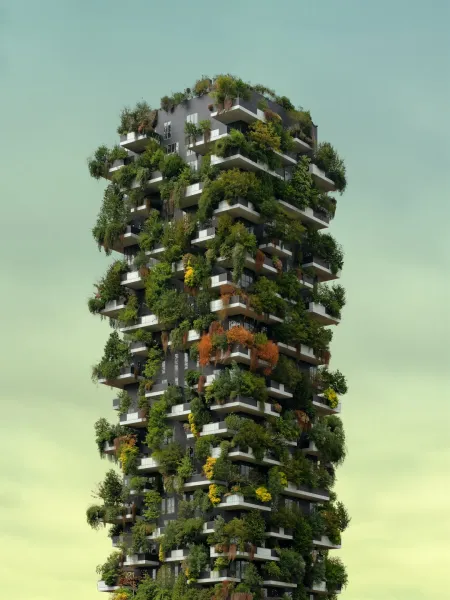
Creating a sustainable vertical garden using repurposed pallets and recycled plastic bottles is an exciting project that combines creativity, sustainability, and a touch of nature. This DIY guide will help you transform unused materials into a vibrant vertical green space that not only beautifies your environment but also contributes positively to the ecosystem. This is a great endeavor that not only showcases your personal style but also promotes environmentally sound practices by utilizing materials that would otherwise end up in landfills.
Why This Project? The increasing awareness of environmental sustainability has led many people to explore eco-friendly gardening solutions. Vertical gardening is particularly beneficial for urban dwellers or those with limited yard space. It utilizes vertical space, allowing you to grow a variety of plants without taking up significant ground area. By using repurposed pallets and recycled plastic bottles, you can create a garden that not only reduces waste but also showcases your gardening skills and dedication to a planet-friendly lifestyle.
Benefits
- Space Efficiency: Vertical gardens allow you to maximize growing space, making them perfect for small areas.
- Aesthetic Appeal: A beautifully structured vertical garden can act as a stunning focal point in your home or yard.
- Environmental Impact: By using repurposed materials, you’re contributing to a reduction in waste and promoting recycling.
- Improved Air Quality: Plants can significantly improve air quality by absorbing carbon dioxide and releasing oxygen.
Tools Needed
1. Saw (Hand or Power): Necessary for cutting the pallet to the desired dimensions. A handsaw can be used for simple straight cuts, while a power saw is faster and more efficient.
2. Drill with Drill Bits: Essential for making holes in the plastic bottles and attaching the pallet to a wall or support structure. A drill allows for quick drilling and joining of materials.
3. Hammer: Used to reinforce the structure by securing nails. It’s also handy for driving stakes into the ground if you choose to stabilize your vertical garden.
4. Screwdriver: Needed for securing screws during assembly. A power screwdriver can save time and effort.
5. Level: Important for ensuring that your vertical garden is evenly mounted on the wall. An uneven garden can lead to water runoff issues.
6. Utility Knife: A versatile tool for cutting openings in the plastic bottles if needed. It’s also used for trimming excess materials.
7. Tape Measure: Essential for ensuring your dimensions are accurate. This tool helps you cut the pallet and bottles to the correct sizes for a well-structured garden.
8. Safety Goggles and Gloves: Must-have safety equipment to protect your eyes and hands while you work with cutting tools and when handling rough materials.
Materials
1. Wooden Pallet: 1 standard-sized pallet (make sure it's in good condition)
2. Recycled Plastic Bottles: 20-30 bottles (size and shape can vary, but two-liter bottles work well)
3. Potting Soil: Approximately 2-3 bags (to ensure your plants have enough nutrients to thrive)
4. Plants/Seeds: A selection (4-10 plants depending on size, such as herbs, flowers, or small vegetables)
5. Landscape Fabric: 1 roll (to line the back of your pallet and prevent soil loss)
6. Nails or Screws: 1 box (for securing various components together)
7. Wood Sealant or Outdoor Paint: 1 container (to protect the pallet from moisture and pests)
8. Watering Can: 1 (to water your plants easily in the vertical setup)
9. Small Stones or Gravel: 1 bag (for drainage at the bottom of each bottle)
10. Wire or String: 1 roll (optional, for added support in holding the bottles to the pallet)
Step-by-Step Instructions
Step 1: Choose a Location
Before you begin, decide where you want to place your vertical garden. Look for a spot that receives at least 6-8 hours of sunlight daily, whether it’s on a wall, fence, or balcony. Ensure it has access to water for convenient watering.
Tip: Consider a location that allows easy observation of the plants, making maintenance straightforward.
Step 2: Prepare the Pallet
If your pallet is dirty or damaged, clean it thoroughly and sand down any rough edges to prevent splinters. Check for any loose or broken boards and replace them if necessary. If you want to protect it from the elements, apply wood sealant or outdoor paint.
Safety Tip: Always wear gloves while handling pallets, as they can have splinters or nails sticking out.
Step 3: Cut and Prepare the Plastic Bottles
Use a utility knife to cut the plastic bottles in half. For each half, a drainage hole should be made at the bottom. Retain the top part since it can be useful as a watering funnel or container for planting.
Tips: Ensure that you clean any labels off the bottles to avoid unsightly adornments in your garden.
Step 4: Attach Landscape Fabric
Using the staple gun, attach landscape fabric to the back of the pallet. This will help retain soil while allowing for water drainage. Cut the fabric so it overlaps the edges of the pallet by a few inches.
Helpful Tip: Tightly pull the fabric as you staple to avoid sagging, which could lead to soil spills.
Step 5: Arrange Bottles on the Pallet
Decide how you want to arrange your bottles on the pallet. You might want to stack them vertically or arrange them laterally. Secure them to the pallet using wire or string, threading it through the bottles and around the wood.
Tip: Be creative! You can mix and match bottles for a more eclectic look.
Step 6: Fill Bottles with Soil
Fill each bottle with potting soil, leaving a little space at the top. When planting, ensure that each type of plant (herbs, flowers, etc.) is suitable for the size of the bottle. For instance, herbs may work better in smaller bottles, while larger ones can hold flowers or vegetables.
Safety Tip: Make sure to wear a mask when pouring soil to avoid inhaling dust.
Step 7: Plant Your Garden
Carefully plant your seedlings or seeds in the filled bottles. If you're using seeds, follow the packet instructions for planting depth. Water your plants lightly after planting to help settle the soil.
Tip: Choose plants with similar water and sunlight needs to ensure they all thrive together.
Step 8: Secure Your Pallet Structure
Once everything is planted, it’s time to secure the pallet against a wall or other sturdy support. Use screws or nails to attach the pallet firmly to prevent it from falling over or becoming unstable.
Tip: Ensure it’s level by using a level tool before you finalize the fastening.
Step 9: Watering and Maintenance
Using your watering can, gently water the newly-planted bottles. The landscape fabric will help retain moisture but check the bottles regularly. Set up a schedule for watering, typically 1-2 times a week, depending on the plant's needs.
Helpful Tip: Staying consistent with watering is crucial for the health of your vertical garden.
Step 10: Monitor Growth and Troubleshoot
Now that your vertical garden is set up, monitor the plants for growth and any signs of distress. Look for yellowing leaves, wilting, or pest presence. Address issues as they arise by adjusting light exposure, watering habits, or adding fertilizer if necessary.
Tip: Keep a journal of what works well and what doesn’t; it will help you improve future growing seasons.
Troubleshooting
Even with all the love and care poured into creating your sustainable vertical garden, you may encounter a few issues. Here are some common problems and their solutions:
1. Plants Wilting: Ensure they are getting adequate water. Check if the top soil is dry and water as needed.
2. Poor Drainage: If water is pooling in the bottles, check to see if the drainage holes are clogged. You can also add more gravel to improve drainage.
3. Fungal Growth: If you notice mold or fungus on your plants, reduce watering frequency and ensure there’s adequate airflow around the plants.
4. Pest Infestation: Inspect regularly for pests like aphids or spider mites. Use a natural insecticidal soap or neem oil to treat affected plants.
5. Sunburned Leaves: If leaves are yellowing and crispy, they may be getting too much direct sunlight. Move the garden to a shadier spot or provide shade during peak sun hours.
Conclusion
Creating a sustainable vertical garden using repurposed pallets and recycled plastic bottles is a rewarding project that is both practical and environmentally friendly. From the selection of your materials to the final arrangement of your plants, each step allows for creativity while offering numerous environmental benefits. Keep in mind that gardening is both an art and a science; adapting your approach based on observation can lead to better results.
Whether you're growing vibrant flowers, fragrant herbs, or lush vegetables, your vertical garden will not only enhance your living space but also contribute positively to your health and the planet. Remember, you can vary this project in numerous ways—consider using different plant types, experimenting with bottle arrangements, or altering the pallet dimensions to suit your style.
With patience, care, and the right techniques, your garden will flourish for years to come, providing beauty and bounty against the vertical backdrop of your choice.