Introduction
How To Garden For Small Spaces In 2025
5 (80)
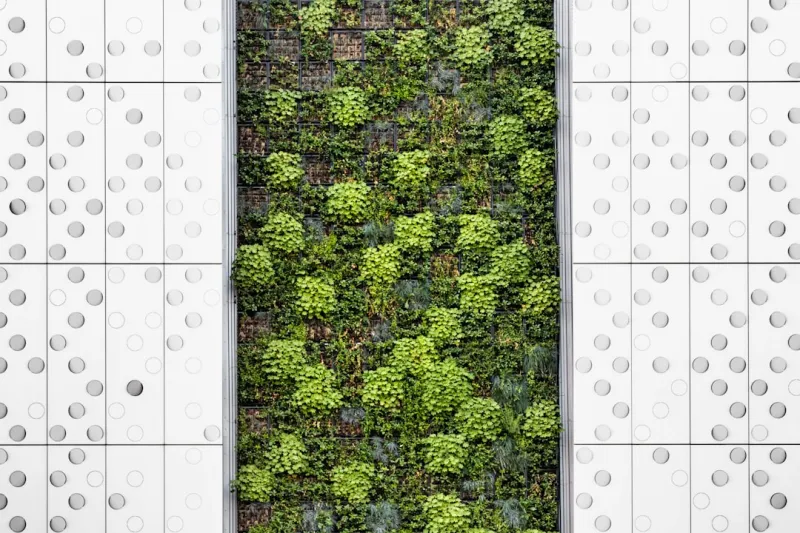
has become increasingly popular, offering both aesthetic appeal and environmental benefits. Whether you have a tiny balcony, a small patio, or even a blank wall, a vertical garden can transform these spaces into lush green retreats. One of the primary benefits of vertical gardens is their ability to improve air quality and reduce urban heat. Plants absorb carbon dioxide and release oxygen, creating a healthier environment. They also provide insulation, reducing the energy needed for heating and cooling your home. Additionally, vertical gardens can help with rainwater runoff, as they absorb excess water and reduce flooding in urban areas. For beginners, starting a vertical garden can be a rewarding . Always consider the amount of sunlight your chosen space receives, as this will determine the types of plants you can successfully grow. Moreover, be mindful of plant height and spread; choose plants that are suited for vertical growth. With the right tools,
materials
, and a bit of creativity, you can create a stunning vertical garden that not only enhances your living space but also contributes to a more sustainable environment.
Step 1:
Choose
- Your LocationAssess Sunlight Levels: Identify areas in your home that receive adequate sunlight. Most vegetables and flowers need at least 6 hours of direct sunlight.Check for
- Moisture: Ensure the location is not ne to excessive moisture or water pooling, which could damage your plants.Consider
- Accessibility: Choose a spot that is easily accessible for maintenance, watering, and harvesting.Evaluate
- Space Dimensions: Measure the wall or area you want to use, and ensure you have enough room for the vertical garden structure.Look for
- Stability: Ensure the wall or structure you are using can support the weight of the garden and the soil.Check proximity to
- Water Source: Make sure your garden is near a water source for easy watering.Observe
- Wind Patterns: Consider if your location is sheltered from strong winds, which can damage delicate plants.Visualize
- Placement: Use painter's tape to outline where the garden will go, helping you visualize the final duct and make adjustments.
Step 2:
Select
- Your Garden StructureChoose a Design: Decide if you want to use shelves, pallets, or a pre-made vertical planter. Each has its benefits depending on your style.Measure
- Your Space Again: Double-check your measurements to ensure your chosen structure will fit.Consider DIY vs. Store-Bought: DIY options can be more affordable and customizable, while Store structures may offer convenience and ease of setup.Select
Materials:
If DIY, gather
materials
like wood, plastic, or metal based on your design preferences.Plan for
- Drainage: Ensure your structure has proper drainage holes to prevent water accumulation.Check
- Stability: If you use shelves, ensure they can support the weight of the pots and soil.Think
- About Aesthetics: Choose a design that complements your home’s decor to enhance visual appeal.Purchase
- Hooks or Brackets: If needed, buy hardware to secure your structure to the wall or support it adequately.
Step 3:
Prepare the
- PlantsChoose appropriate Plants: Select plants that thrive in vertical spaces, such as herbs, succulents, or climbing vines.Consider
- Growth Patterns: Look for plants that grow vertically or cascade downwards to create a layered effect.Check for
- Companion Planting: If growing multiple plants, research which plants grow well together.Start from
- Seeds or Seedlings: Decide whether to start plants from seeds or purchase seedlings from a nursery for quicker results.Group
- Plants by Water Needs: Ensure plants with similar watering needs are grouped together for efficient care.Prepare
- Seed Trays or Pots: If starting from seeds, prepare seed trays with potting soil and water them before planting.Label
- Your Plants: Use markers to label your plants for easy identification during growth.Allow
- Seedlings to Harden Off: If using seedlings, acclimate them to outdoor conditions gradually before planting.
Step 4:
Assemble
- Your Vertical GardenGather Tools and
Materials:
Ensure you have all tools and
materials
ready at your workspace.Lay
- Out Your Structure: Position your vertical garden structure in the chosen location and mark the spots for installation.Drill
- Holes for Mounting: If mounting to a wall, use a drill to create holes based on the structure's design.Secure the
- Structure: Use screws and brackets to firmly attach the structure to the wall, ensuring it's level and stable.Add
- Landscape Fabric (if needed): Line the back of the planter with landscape fabric to prevent soil loss while allowing drainage.Fill with
- Potting Soil: Fill each planter or pot with quality potting soil, leaving some space at the top.Plant
- Your Chosen Plants: Carefully plant each seedling or seed according to its specific depth requirements.Water
- Thoroughly: After planting, give your vertical garden a good watering to help settle the soil around the roots.
Step 5:
Watering and
- MaintenanceEstablish a Watering Schedule: Determine how often your plants will need watering based on their individual needs and your climate.Use a
- Watering Can or Hose: Depending on your setup, use a watering can for small planters or a hose with a gentle spray for larger structures.Check
- Soil Moisture: Before watering, check the soil's moisture level to avoid overwatering.Fertilize
- Regularly: Apply fertilizer according to the needs of your plants, typically every 4-6 weeks.Prune as
- Necessary: Regularly prune and deadhead plants to mote healthy growth and remove any dead leaves.Monitor for
- Pests: Keep an eye out for pests and diseases, treating them mptly to prevent spread.Rotate
- Plants Seasonally: To maintain soil health, consider rotating plants or replacing them with seasonal varieties.Enjoy
- Your Garden: Spend time enjoying your vertical garden, and use it as a space for relaxation or inspiration. Final Result
2026 •