Introduction
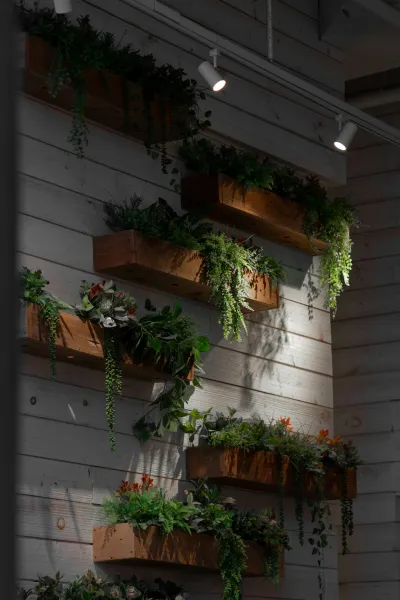
Garden Using Repurposed Pallet Wood And Hanging Planters
emerges as a trendy and practical solution. By repurposing pallet wood, you’re not only saving money but also contributing to environmental sustainability. This is especially appealing to beginners because it’s manageable and provides immediate gratification as you watch your plants grow and flourish.From vibrant flowers to fresh herbs, a vertical garden can fit a variety of plant types, allowing you to tailor your creation according to personal aesthetics or culinary needs. Regardless of whether you want to beautify a small balcony or need a vertical solution for your home’s interior, this can be completed with minimal skill. Through a series of manageable steps, you’ll have a beautiful living wall that practically maintains itself while enhancing your lifestyle.Step-by-Step Guide
Step 1:
Gather and Prepare Your
Materials
The first step to creating your vertical garden is to gather all necessary
materials
and tools. Inspect the pallets to ensure they are not damaged or chemically treated (look for the ‘HT’ stamp, meaning HEatd wood). Once deemed usable, dismantle the pallets carefully using a pry bar or claw hammer. This will give you access to the individual wood planks that will serve as the foundation of your vertical garden. Measure and cut the wood into desired lengths with your circular saw, making sure you have two long planks for the sides and several shorter ones for the back and shelves of the planter.
Tip: Always wear your safety goggles and gloves during this process to prevent accidents.
Step 2:
Design Your Vertical GardenBefore getting into assembly, map out how you want your vertical garden to look. Consider the size of the area where you want to hang it. Decide how many tiers or levels you want for the planters. You can create multiple shelves for flowers and herbs or opt for a simpler single-tier design. This planning phase is essential to ensure things come together seamlessly.
Tip: Sketching your design on paper can be helpful. Ensure you visualize where each planter will be, taking into account sunlight exposure for the plants.
Step 3:
Cut and Assemble the Base FrameUsing your circular saw, cut the wood pieces according to your design. Assemble the back frame of the vertical garden using wood screws to join the vertical side planks (your cut pallet wood) to horizontal planks for stability. Make sure the structure is square by measuring diagonally across the corners; they should match.
Tip: Pre-drill your holes with the drill to prevent the wood from splitting. This will also ensure that the screws are tight and secure.
Step 4:
Attach the Shelves for PlantersNow it’s time to add the shelves that will hold the hanging planters. Depending on your design, screw in horizontal planks across the width of the frame. Use a level to ensure each shelf is even; this is crucial for aesthetics and also for the health of your plants, as water will run off evenly.
Tip: Make sure your shelves can support the weight of the plants and soil. You might want to reinforce them with additional screws or use thicker planks.
Step 5:
Sand and Treat the WoodNow that the structure is assembled, it’s time to smooth out any rough edges. Use sandpaper to ensure there are no splinters or sharp areas, especially since you’ll be handling the pallets frequently. If you choose to paint or use an outdoor wood sealant for longevity and aesthetic appeal, now is the time to do so.
Tip: Choose a sealant that is non-toxic if you are planting herbs or edible plants to avoid any chemical leaching into the soil.
Step 6:
Attach Your Hanging PlantersWith a stable and treated wooden structure, it’s time to attach the hanging planters. First, decide where you want each planter on the shelves, spacing them out evenly. Use screws to secure hooks to the shelves to hold the planters. You might want to use larger hooks for heavier planters. Make sure they’re firmly attached.
Tip: Consider plant growth when placing your planters—taller plants should go on lower shelves so they don’t block light.
Step 7:
Fill the Planters with Soil and PlantsNow comes the fun part! Fill each of your hanging planters with potting soil, leaving about an inch of space at the top. Carefully plant your chosen herbs or flowers in the planters, making sure to follow specific care requirements for each type of plant. Gently water them to help settle the soil.
Tip: Mixing in some Slowe fertilizer can mote healthy growth.
Step 8:
Hang and Position Your Vertical GardenChoose a wall or space where you want to mount your vertical garden. If it’s heavy, it’s advisable to use wall anchors or screws into wall studs for additional support. Ensure that the area receives enough sunlight for the plants you’ve chosen. Hang your vertical garden with care, ensuring all hookups and brackets are secure.
Tip: Consider a location that allows for easy access for watering and maintenance.
Step 9:
Watering and Maintenance ScheduleNow that your vertical garden is up and thriving, it’s essential to establish a regular maintenance routine. Water the plants according to their specific needs — some may require more moisture than others. Keep an eye out for pests or diseases and treat them mptly to maintain plant health. Ensure that you prune plants as needed to encourage growth and prevent overcrowding.
Tip: Create a simple calendar or reminder on your phone for watering schedules to keep your garden thriving year-round.
Step 10:
Enjoy and Experiment!Once your vertical garden is set up and flourishing, take a moment to enjoy your hard work! This is an ongoing , so consider changing plants with the seasons or experimenting with new species to see what thrives best in your conditions. Share your success with friends or even join local gardening groups to exchange tips and plants.
Tip: Document your gardening journey through photos to witness your plants’ growth and transformations over time!
2026 •