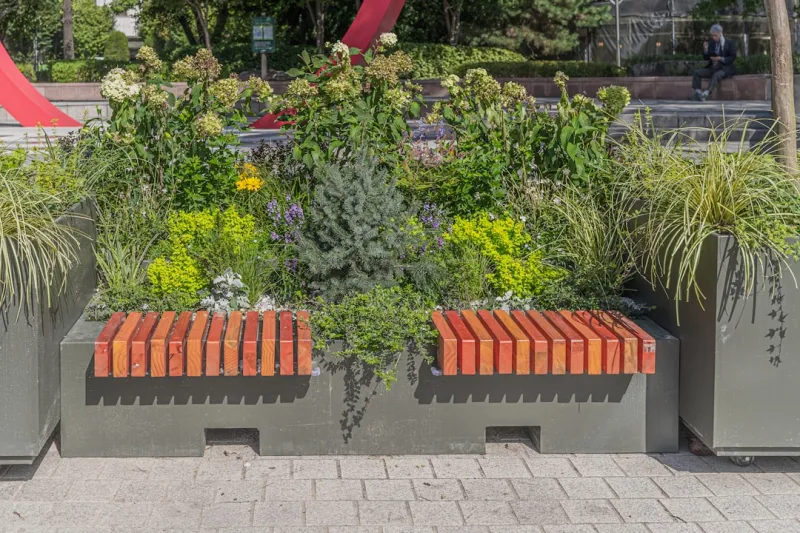
Introduction
How To Build A Sustainable Raised Garden Bed For Small Spaces 2025
How To Build A Sustainable Raised Garden Bed For Small Spaces 2025body.navh1.rating.hero-img.share.btnHow To Build A Sustainable Raised Garden Bed For Small Spaces 2025How To Build A Sustainable Raised Garden Bed For Small Spaces 2025h2.content pHow To Build A Sustainable Raised Garden Bed For Small Spaces 2025How To Build A Sustainable Raised Garden Bed For Small Spaces 2025How To Build A Sustainable Raised Garden Bed For Small Spaces 2025How To Build A Sustainable Raised Garden Bed For Small Spaces 2025h2aHow To Build A Sustainable Raised Garden Bed For Small Spaces 2025How To Build A Sustainable Raised Garden Bed For Small Spaces 2025h2aHow To Build A Sustainable Raised Garden Bed For Small Spaces 2025How To Build A Sustainable Raised Garden Bed For Small Spaces 2025h2aHow To Build A Sustainable Raised Garden Bed For Small Spaces 2025How To Build A Sustainable Raised Garden Bed For Small Spaces 2025h2aHow To Build A Sustainable Raised Garden Bed For Small Spaces 2025How To Build A Sustainable Raised Garden Bed For Small Spaces 2025h2aHow To Build A Sustainable Raised Garden Bed For Small Spaces 2025How To Build A Sustainable Raised Garden Bed For Small Spaces 2025h2aHow To Build A Sustainable Raised Garden Bed For Small Spaces 2025How To Build A Sustainable Raised Garden Bed For Small Spaces 2025body.Nav.Nav ah1.rating-chip.hero-imgh2pulli.social-share.share-grid.btn#fb-root}How To Build A Sustainable Raised Garden Bed For Small Spaces 2025How To Build A Sustainable Raised Garden Bed For Small Spaces 2025imgh2.btn-box.btnHow To Build A Sustainable Raised Garden Bed For Small Spaces 2025How To Build A Sustainable Raised Garden Bed For Small Spaces 2025Creating a garden in a small space has become increasingly popular as urban living continues to rise. A raised garden bed not only maximizes your area but also enhances soil quality, minimizes weed growth, and offers better drainage for your plants. Building a sustainable raised garden bed can be an enjoyable and rewarding DIY , providing fresh vegetables, herbs, and flowers at your fingertips while promoting eco-friendly practices. In 2025, sustainability and environmental consciousness have taken center stage, making it vital for garden beds to utilize resources that are both effective and eco-friendly. This guide walks you through the step-by-step process of building a sustainable raised garden bed perfect for small spaces, whether you're working on a balcony, patio, or even a tiny backyard. You’ll find tips on
materials
, construction, and maintenance, ensuring you create a vibrant garden that thrives for years to come. Let’s dig in!
Tools Needed
DrillFinal ResultMeasuring Tape Level Shovel Hand Saw Garden Trowel Screwdriver Safety Goggles
Materials
Wood (Cedar, Redwoods, or Reclaimed Lumber)Screws (Galvanized or Stainless Steel) Landscape Fabric Soil Mix (Compost, Peat Moss, and Garden Soil) Mulch (Wood Chips or Straw) Wood Screws or Bolts (for stability) Corner Brackets (optional for reinforcement) Drip Irrigation Kit (optional for efficient watering) Native Plants or Veggie Seeds
Step 1:
Choose the Right Location The first step in your DIY is to carefully select the location for your raised garden bed. For optimal sunlight, aim for at least 6-8 hours of direct sunlight daily. Ensure the area has good drainage and is close to a water source. Avoid placing the bed on concrete or pavement, as this can hinder healthy root growth.
Step 2:
Measure and DesignDecide on the dimensions of your raised garden bed based on the available space. A common size for small spaces is 4 feet by 4 feet or 4 feet by 8 feet for accessibility. Make sure to measure and mark the outline using your measuring tape to help visualize the space.
Step 3:
Gather Your
Materials
With your measurements in hand, collect all the necessary
materials
Opt for sustainable wood options like cedar or redwood due to their natural resistance to rot and pests. These
materials
are not only aesthetically pleasing but also more durable for outdoor conditions.
Step 4:
Cut the WoodUsing a hand saw, cut the wood to your desired dimensions. You will need two long pieces (sides) and two shorter pieces (ends) for the frame. If you're utilizing reclaimed lumber, ensure that the wood is in good condition and free from harmful chemicals.
Step 5:
Assemble the FrameLay out the cut pieces to form a rectangle. Using your drill, screw the sides together, ensuring they are tightly secured. If using corner brackets, attach them for added stability. Check that the corners are square using your level and measuring tape.
Step 6:
Install the BedWith the frame assembled, place it in the prepared area. Ensure it is level and adjust as necessary. Dig a shallow trench around the base if needed, reinforcing the bed's stability.
Step 7:
Add Landscape FabricTo prevent weeds, line the bottom of your raised garden bed with landscape fabric. This fabric will allow water to drain while inhibiting weed growth, creating a healthy environment for your plants. Secure it in place with soil staples if necessary.
Step 8:
Fill with Soil MixCreate a nutrient-rich soil mix composed of equal parts of compost, peat moss, and garden soil. Fill your raised garden bed with this mixture, leaving some space at the top for mulch. The right soil ensures your plants get the moisture and nutrients required to thrive.
Step 9:
Mulch the SurfaceAfter planting, cover the soil with a layer of mulch such as wood chips or straw. This layer will help retain moisture, suppress weeds, and maintain a stable temperature in the soil.
Step 10:
Plant Your GardenNow it’s time to plant! Choose native plants or vegetable seeds that are suitable for your climate. Native plants are particularly beneficial for supporting local ecosystems and require less maintenance. Consider companion planting to maximize your space and yield.
2026 •